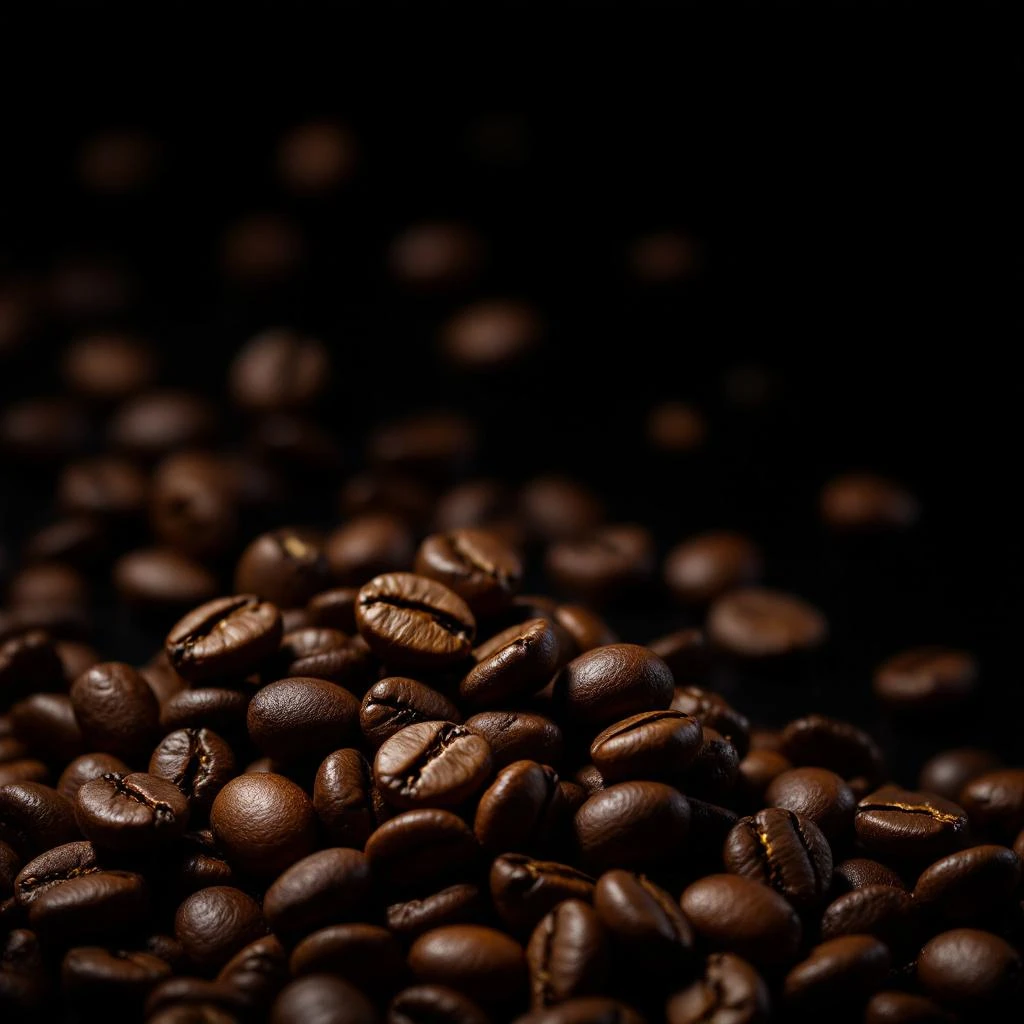
Venezuelan Chocolate
Rich, dark, and grounding. Venezuelan cacao brings a complexity that transforms gourmand fragrances into something ancient and profound. From sacred temple offerings to the bottles on your shelf, this ingredient carries centuries of meaning.
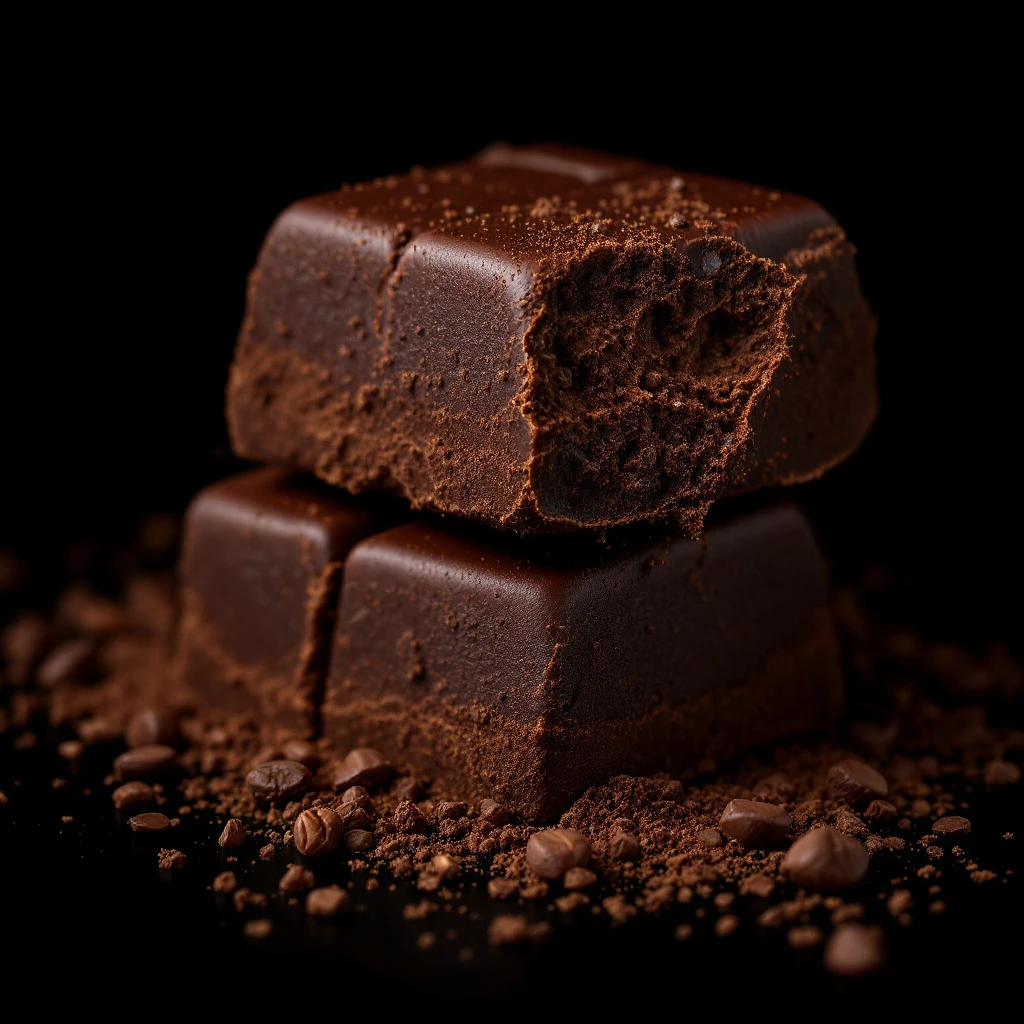
Character
How it smells
The sacred bean that became the world's most beloved indulgence.
The Maya used cacao beans as currency—four beans bought a rabbit, ten bought a human being.
Pairs beautifully with
Origin
Venezuela
Theobroma cacao originated in South American rainforests, where indigenous peoples first cultivated it over 3,000 years ago. Ancient Maya and Aztec cultures revered cacao as sacred—the Aztec word "cacahuatl" even found its way into the word "cocoa."
They prepared frothy bitter beverages mixed with spices, reserved for royalty and important ceremonies. Spanish conquistadors brought cacao to Europe in the 1500s, where sugar transformed it into the sweet confection we recognize today.
Venezuela became particularly renowned for its fine-flavor cacao, with Criollo variety trees producing some of the world's most prized beans. Modern perfumers now return to this ingredient, distilling its ancient complexity into contemporary fragrances.
Wears it best
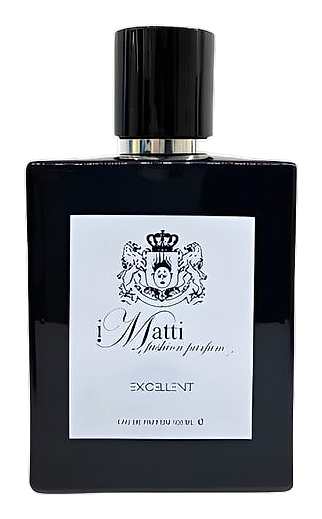
Fragrances featuring Venezuelan Chocolate
Brands
Brands known for Venezuelan Chocolate
Good to know
Questions, answered
The essentials on Venezuelan Chocolate in perfumery: how it smells, where it comes from, and how it behaves on skin.
How do perfumers extract chocolate scent from cacao beans?
Cacao absolute comes from fermented, dried beans processed through solvent extraction. After harvesting cacao pods, producers ferment the beans for five to seven days to develop chocolate aroma compounds. Solvent extraction produces a dark, viscous absolute with intensely rich scent. Supercritical CO2 extraction offers an alternative method that captures more of the raw bean's character.
What makes Venezuelan cacao special in perfumery?
Venezuelan cacao ranks among the world's finest. The Criollo variety grown there produces beans with refined flavor—less bitter and astringent than bulk varieties. Regional terroir creates distinctive profiles; Chuao and Puerto Cabello beans develop unique aromatic characteristics prized by both chocolatiers and perfumers.
What does cacao absolute smell like?
Cacao absolute offers deep, dark, roasted notes with sweet undertones and pleasant bitterness. The scent recalls genuine chocolate but carries more complexity—earthy, slightly astringent, and warm. It develops differently on skin, revealing nuanced cocoa and sometimes faint nutty or tobacco-like facets.
Why do perfumers value cacao as a fragrance ingredient?
Cacao adds extraordinary depth to gourmand compositions. It works as a powerful base note, providing warmth, richness, and lasting sillage. The ingredient also bridges sweet and dark fragrance families, helping perfumers create sophisticated scents that evoke comfort while maintaining elegance.
How does chocolate pair with other ingredients?
Cacao harmonizes naturally with vanilla, tonka bean, and amber, amplifying sweetness. Bergamot and orange lift the composition with citrus brightness. Sandalwood adds creamy depth. Spices like cardamom, cinnamon, and pink pepper create intriguing contrast against cacao's roasted character.
What forms of cacao do perfumers use?
Three main forms appear in perfumery: cacao absolute (solvent-extracted), CO2 extract (supercritical extraction), and cocoa butter (fatty component). Absolute and CO2 extract provide aromatic intensity for fragrance use. Cocoa butter appears in cosmetic applications and occasionally contributes subtle scent to body care products.
Is natural cacao better than synthetic chocolate notes?
Natural cacao absolute captures the genuine complexity of roasted cacao beans—their bitter nuances, earthy depth, and authentic character that synthetics struggle to match. While synthetic chocolate accord reproduces basic sweet chocolate smells at lower cost, natural extraction delivers the multidimensional quality that distinguishes premium fragrances.
What is the historical significance of cacao in perfumery?
Cacao entered perfumery alongside the broader "gourmand" movement but connects to much older traditions. Ancient Maya and Aztec cultures prepared cacao in sacred ceremonies. The Spanish brought chocolate to Europe in the 1500s, where it gradually influenced perfumery. Today, Venezuelan cacao maintains particular prestige, carrying centuries of cultural significance into modern fragrance.