Skin cream
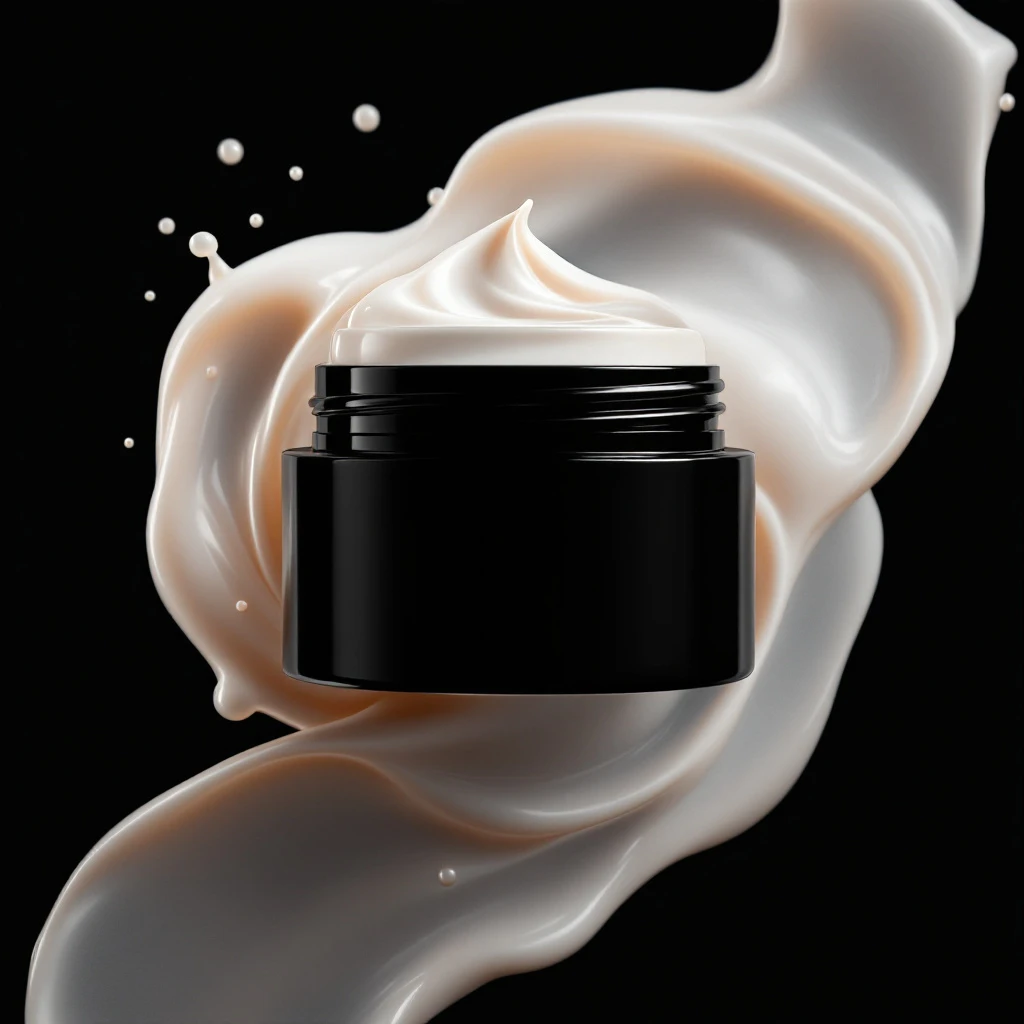
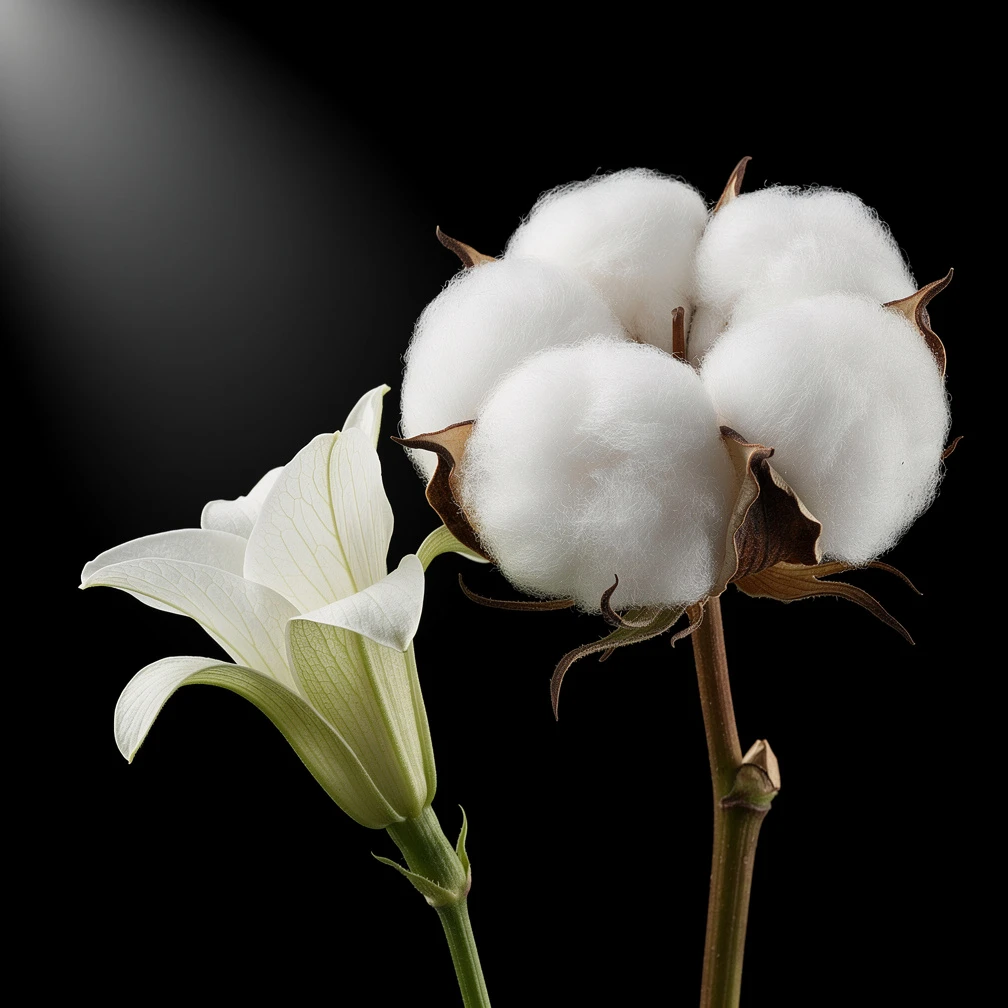
Skin cream is a conceptual perfumery note that captures the warm, clean scent of moisturized human skin. It functions as a fixative and blender, helping fragrances adhere to skin chemistry while creating an intimate, skin-close drydown. This note bridges fragrance composition and skin interaction.
Character
How it smells
The warm, skin-close note that makes fragrance feel intimate and personal.
Skin cream notes interact uniquely with individual body chemistry, meaning the same perfume smells slightly different on each wearer.





Origin
Global production, primarily France and Switzerland
The desire to smell like clean, perfumed skin traces back thousands of years. Ancient Egyptians soaked themselves in scented oils and balms, with the Greeks perfecting liquid unguents that were smoothed across skin after bathing. However, the specific pursuit of a 'skin cream' character emerged in twentieth-century perfumery.
The 1925 introduction of Exaltolide, a synthetic musk mimicking skin's natural scent, marked a turning point. Perfumers began intentionally crafting fragrances to smell like skin itself, not just upon it. This shift culminated in the 1970s and 80s with the rise of skin-close chypres and white musk fragrances.
Today, skin cream notes represent a sophisticated perfumery technique, appearing across luxury and niche lines as a marker of modernity and intimacy in fragrance composition.
Wears it best
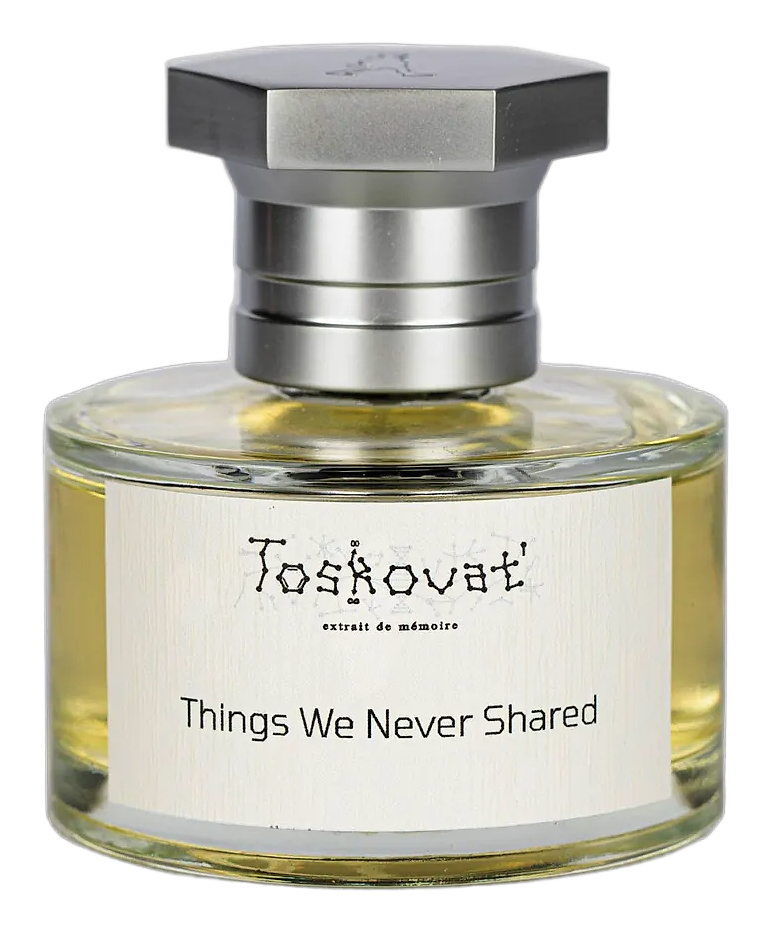
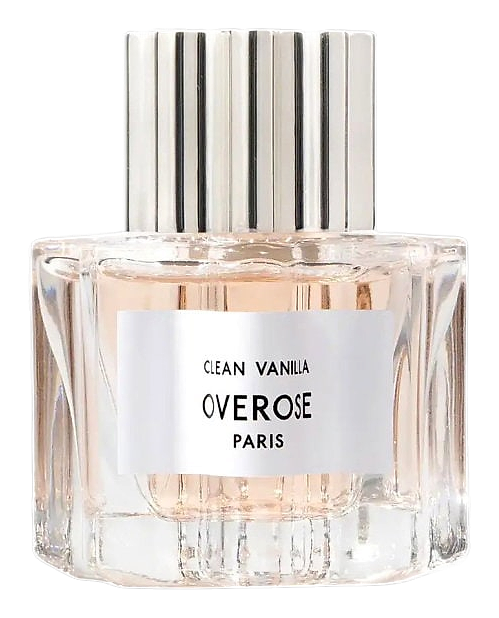
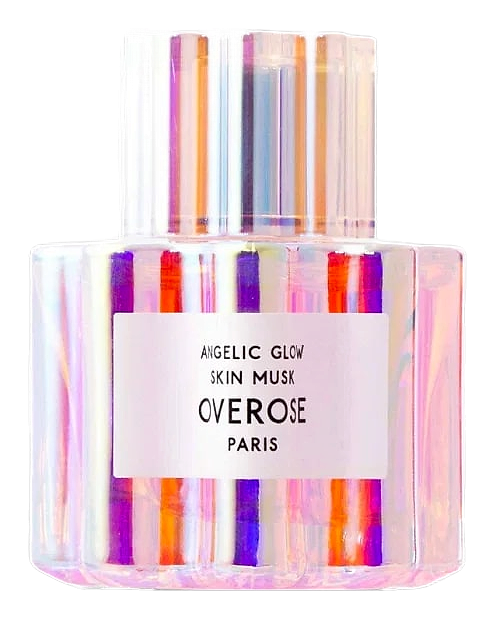
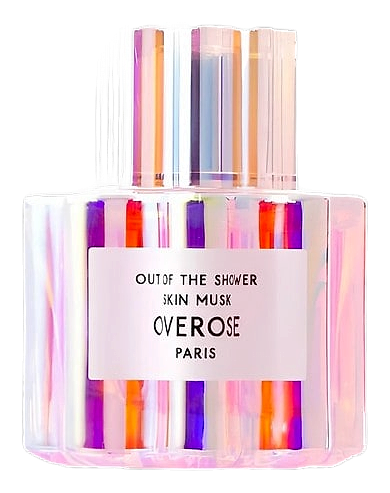
Fragrances featuring Skin cream
Good to know
Questions, answered
The essentials on Skin cream in perfumery: how it smells, where it comes from, and how it behaves on skin.
What does Skin cream smell like in perfume?
Skin cream notes smell warm, clean, and slightly sweet, reminiscent of moisturized human skin. They feature soft musky undertones with lactonic creaminess. A single data point: the key molecule delta-decadactone, present in apricot, contributes this characteristic creamy warmth to skin cream accords.
Why is Skin cream used in perfumery?
Skin cream notes act as fixatives that extend fragrance longevity while creating an intimate, skin-close quality. These notes help fragrances adapt to individual body chemistry. Industry data shows that musks like Galaxolide, used in over 90% of modern fine fragrances, provide this anchoring effect.
Is Skin cream in perfume natural or synthetic?
Skin cream character is typically achieved through synthetic or nature-identical materials, often combined with natural extracts. The primary compounds (certain musks and lactones) cannot be extracted in sufficient quantities from natural sources. Synthetic production ensures consistency and sustainability across fragrance batches.
What famous perfumes contain Skin cream?
Many contemporary fragrances feature skin cream accords, though perfumers rarely list them explicitly. Clean, skin-close fragrances like Escentric Molecules Molecule 01 (containing only Iso E Super) and Commodity Gold exemplify this style. Specific formulations remain proprietary.
Is Skin cream a top note, heart note, or base note?
Skin cream functions primarily as a base note, contributing to the drydown phase 30 minutes to 2 hours after application. Research indicates that base notes comprise approximately 25-40% of a typical fragrance composition and determine how a perfume smells on skin over time.
What notes pair well with Skin cream in perfume?
Skin cream notes pair harmoniously with soft woods (sandalwood, cedar), white florals ( jasmine, tuberose), and subtle animalics. They also complement ozonic and aquatic top notes, helping bridge bright opening scents to a warm, intimate drydown.
How is Skin cream extracted?
Skin cream notes are not extracted from a single source but formulated by blending synthetic musks (produced via catalytic processes), nature-identical lactones, and aromatic fixatives. Natural sandalwood or musks may be incorporated for premium formulations, extracted through steam distillation or solvent extraction.
Is Skin cream used in men's or women's fragrances?
Skin cream notes appear across all fragrance genders, though usage varies by style. Women's fragrances often pair them with florals, while men's formulations combine them with woods and fresh notes. Consumer preference studies show that skin-close fragrances are equally popular across gender demographics.