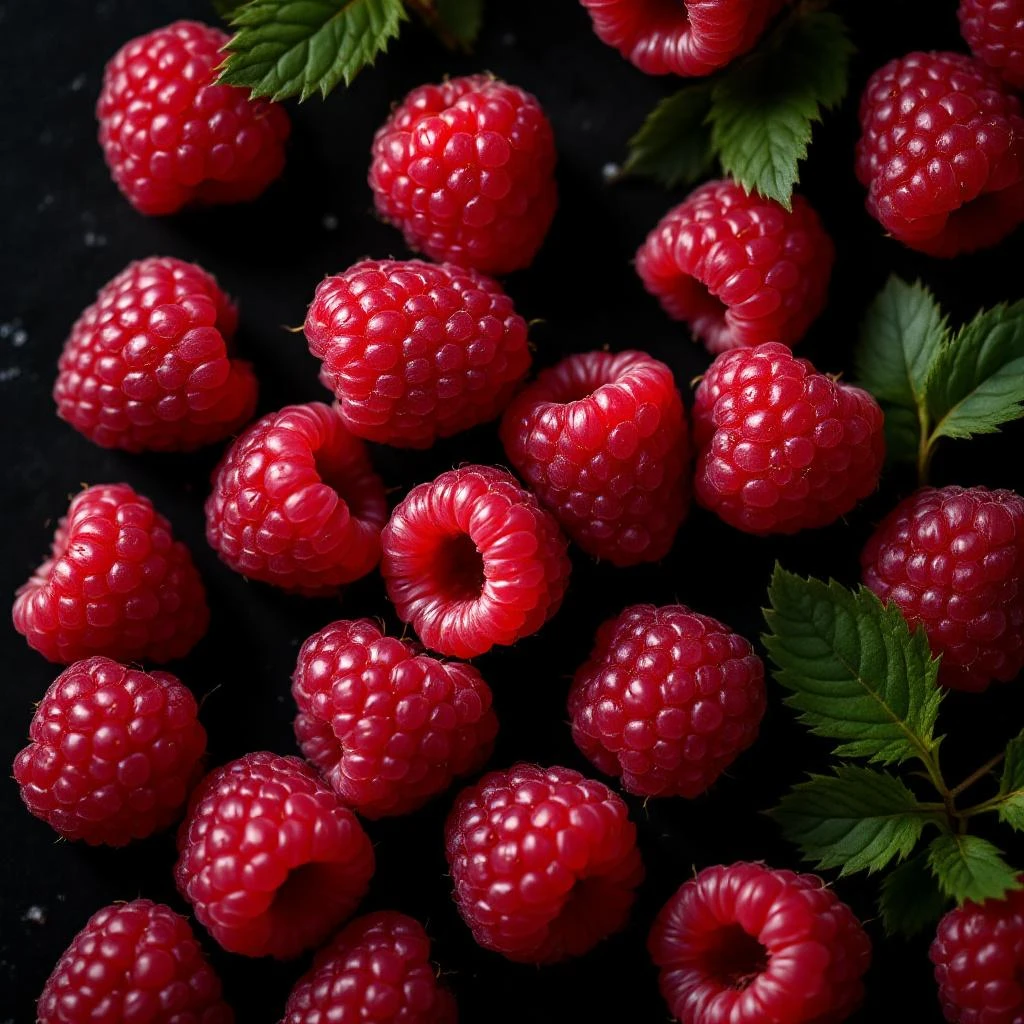
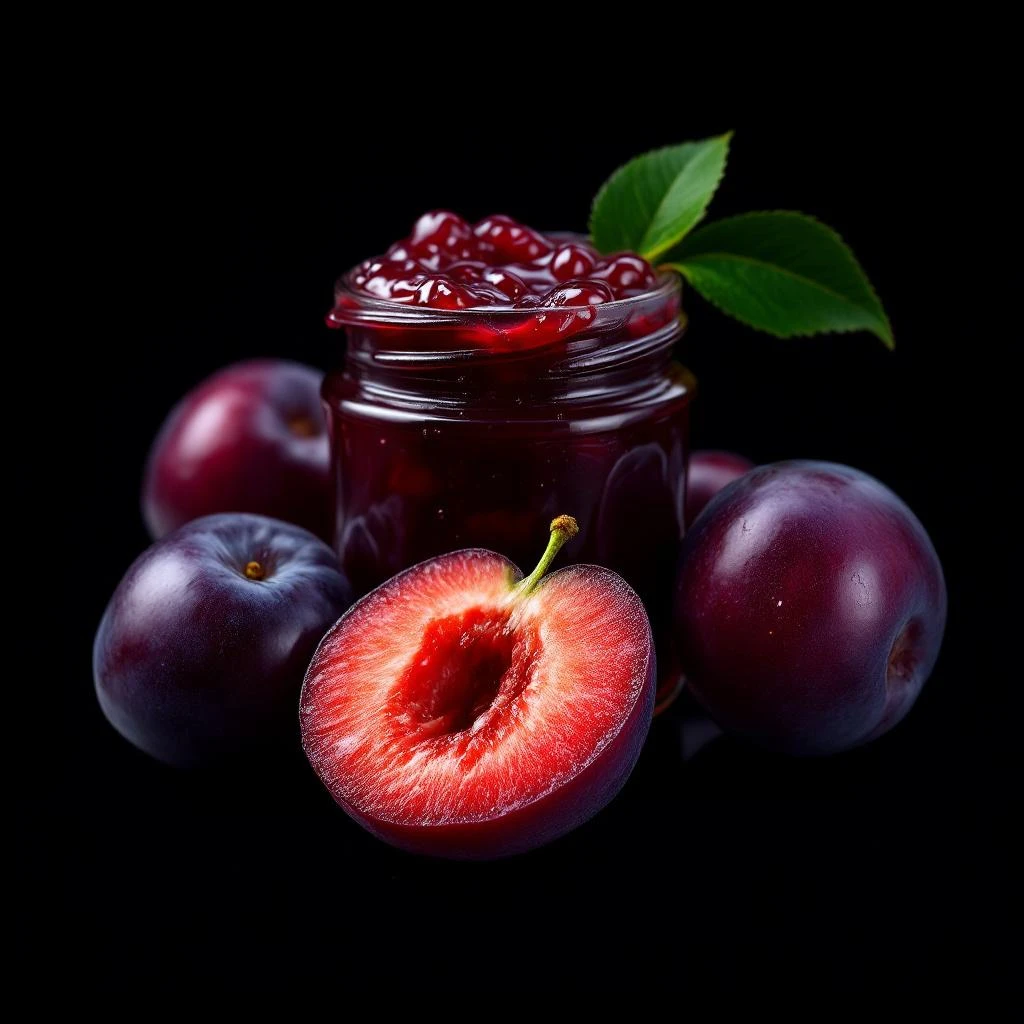
Plum Jam
Plum jam in perfumery captures the deep, velvety sweetness of ripe plums cooked down with sugar—wine-toned, jammy, and indulgent. This note rarely exists in nature and is masterfully reconstructed in the lab using aromatic compounds.
Character
How it smells
Wine-dark sweetness, lab-crafted.
The 'plum' in your perfume is not from any fruit. It is a synthetic reconstruction using damascones, the same compounds that give roses their honeyed depth.



Origin
France
The plum has ancient roots in perfumery's imagination, though natural extraction has always posed challenges. Ancient civilizations prized plums for their culinary and medicinal uses, but the fruit's delicate aroma resisted the extraction methods available. By the 19th century, with the rise of organic synthesis, chemists began identifying the specific molecules responsible for plum's appeal—particularly the damascones found in rose and black tea.
Modern perfumers leveraged these discoveries to construct synthetic plum accords. The plum jam note emerged as a distinct category in the late 20th century, when fruity compositions became central to Western perfumery. Today, it appears in countless fragrances as a bridge between top and heart notes, lending warmth and accessibility.
Its history is one of scientific ingenuity—finding beauty in chemistry when nature withholds its secrets.
Wears it best
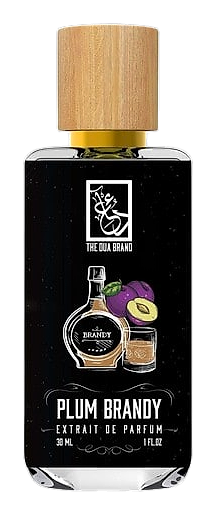
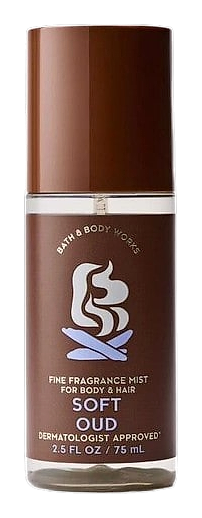
Fragrances featuring Plum Jam
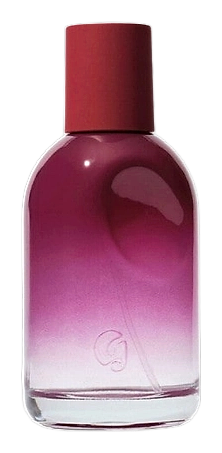
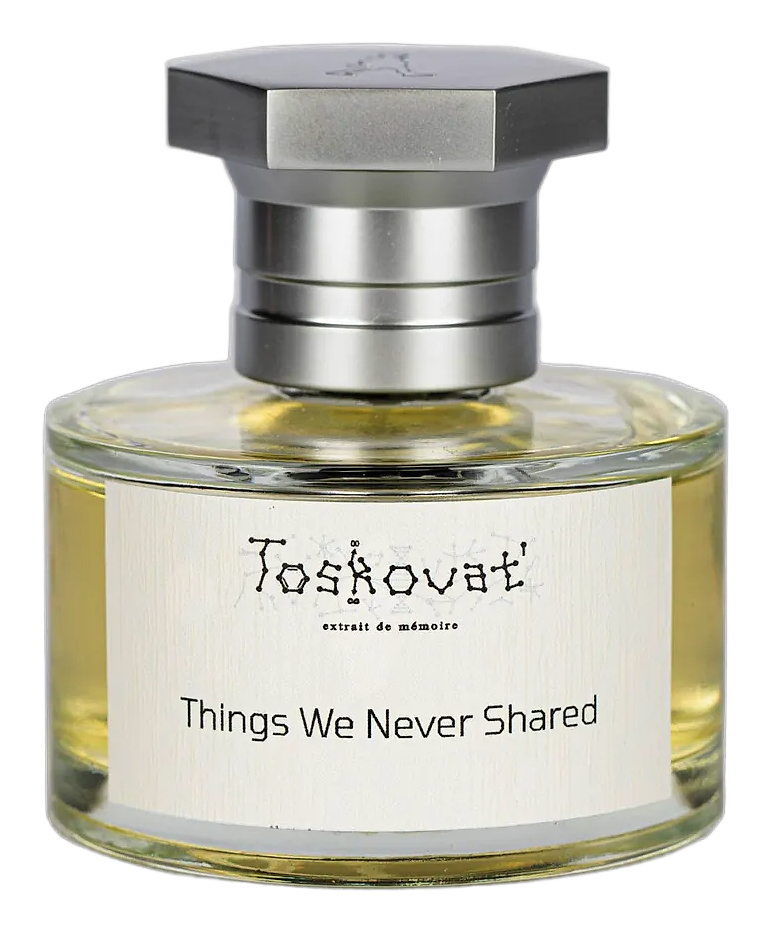
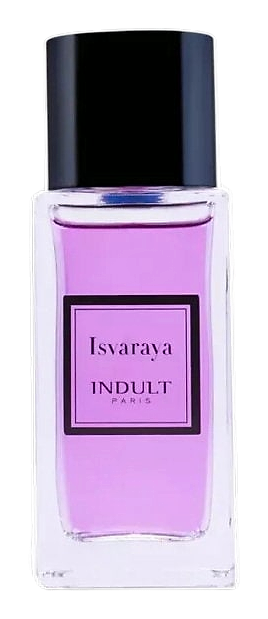
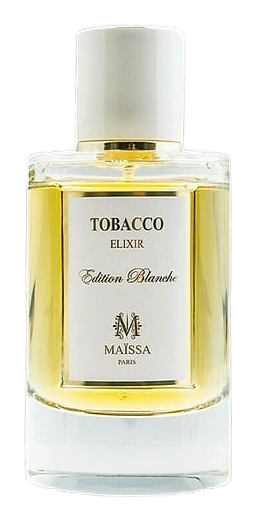

Brands
Brands known for Plum Jam
Good to know
Questions, answered
The essentials on Plum Jam in perfumery: how it smells, where it comes from, and how it behaves on skin.
What does plum jam smell like?
Plum jam smells jammy, wine-toned, and sweet. It captures the deep velvety sweetness of ripe plums cooked with sugar, with subtle fermented and honeyed undertones. Perfumers recreate this using damascones.
Is plum jam natural or synthetic?
Plum jam is synthetic. Natural plum oil is nearly impossible and prohibitively expensive to extract, so perfumers recreate the note using lab-synthesized damascones and damascenone compounds.
What fragrances feature plum jam?
Plum jam appears in numerous perfumes from designers like Dior, Chloé, and Byredo, typically in fruity-floral compositions. It works especially well in autumn and winter fragrances paired with rose, vanilla, or wood notes.
How do perfumers create plum jam?
Perfumers synthesize plum jam using beta-damascenone and damascone molecules. These compounds are combined in precise ratios to replicate the jammy, wine-like character, then often blended with natural ingredients for added depth.
What pairs well with plum jam?
Plum jam pairs beautifully with rose, blackcurrant, vanilla, and warm woods. It also complements spices like cardamom and iris, creating compositions that range from fruity-floral to rich, powdery orientals.
Does plum jam smell like actual plum jam?
It captures the essence rather than a literal reproduction. The synthetic version intensifies the jammy, wine-like qualities while maintaining the velvety sweetness of cooked plums, often exceeding what natural fruit offers in longevity.
Is plum jam used in men's or women's fragrances?
Plum jam is gender-neutral in modern perfumery. While it historically appeared in women's florals, contemporary perfumers use it freely across masculine, feminine, and unisex compositions for its warm, approachable quality.
How long does plum jam last in a fragrance?
Plum jam functions as a heart-to-base note, typically lasting 4-8 hours depending on concentration and formulation. Its synthetic nature often provides better longevity than natural fruit materials.