Roasted Acorn
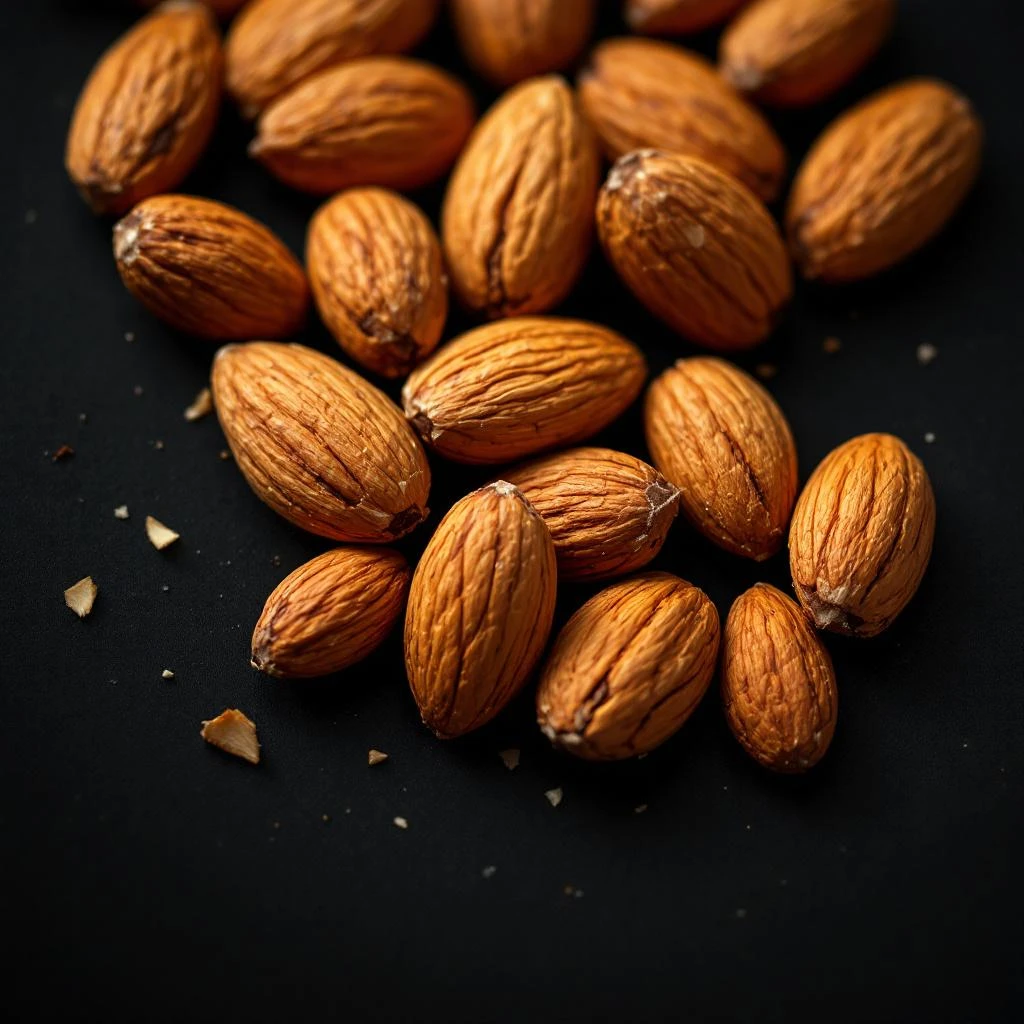
Roasted acorn brings an unexpected depth to perfumery, capturing the warm, nutty essence of forest floor abundance. This unusual ingredient transforms the humble oak seed into a surprising accord of toasted earthiness and subtle sweetness, offering perfumers a bridge between edible and woody fragrance families.
Character
How it smells
Forest abundance, roasted to perfection.
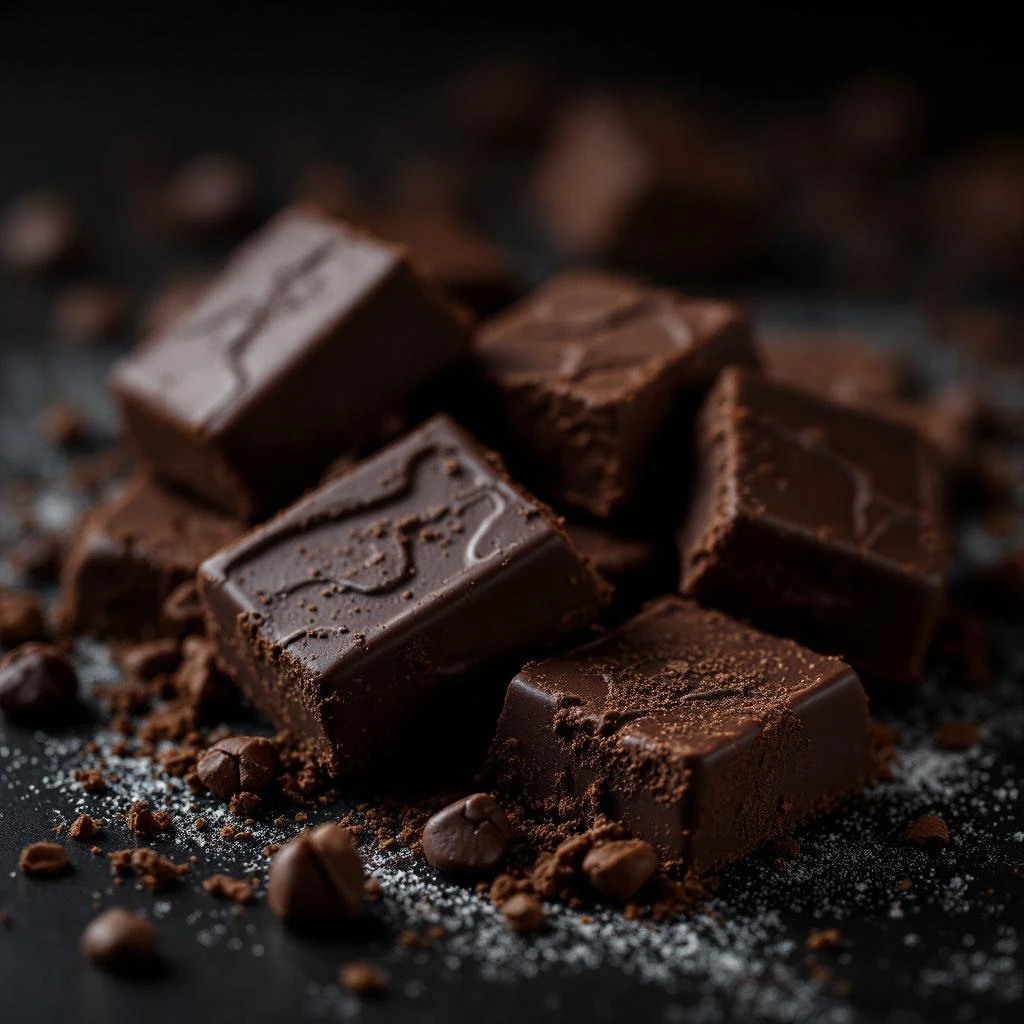
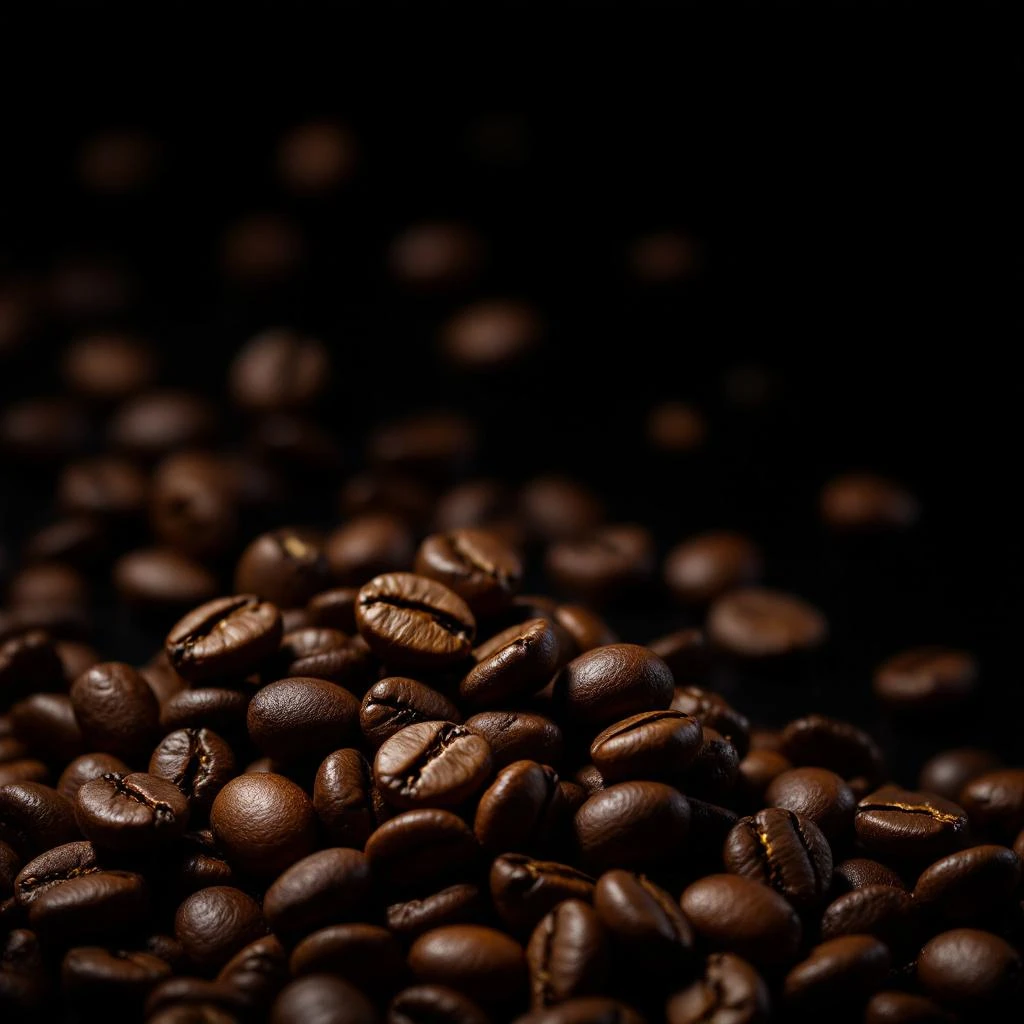
Acorns contain up to 30% fatty oils that transform during roasting, creating the same Maillard reaction compounds found in coffee and chocolate.
Origin
Japan
While acorns served as a critical food source for countless indigenous cultures across the Northern Hemisphere for millennia, their aromatic applications in perfumery represent a much more recent discovery. Ancient Mediterranean and East Asian cultures utilized acorns primarily for culinary and medicinal purposes, with Native American groups like the Chumash and Miwok developing sophisticated processing techniques to render acorns palatable. The translation of this roasting knowledge into fragrance applications emerged primarily in the late 20th and early 21st centuries, as niche and natural perfumers sought to expand their botanical palettes beyond traditional ingredients.
Japanese perfumers particularly pioneered the use of mountain-grown acorns, drawing on their cultural relationship with forest resources. Today, roasted acorn absolute appears in a select but growing number of artisanal fragrances, valued for its ability to ground gourmand compositions with organic, forest-born authenticity.
Good to know
Questions, answered
The essentials on Roasted Acorn in perfumery: how it smells, where it comes from, and how it behaves on skin.
What does roasted acorn smell like in a fragrance?
Roasted acorn delivers a warm, nutty aroma reminiscent of toasted hazelnuts with earthy, slightly bitter undertones. It adds organic depth without reading as purely edible, bridging woody and gourmand fragrance families.
Is roasted acorn a natural or synthetic ingredient?
Roasted acorn absolute is a natural ingredient derived from oak tree seeds. The roasting process activates aromatic compounds through the Maillard reaction, and extraction captures these created volatiles.
Which fragrance families typically use roasted acorn?
Roasted acorn appears most often in woodland, chypre, and gourmand-oriental compositions. It works particularly well alongside oakmoss, vetiver, and warm spice accords.
How long has roasted acorn been used in perfumery?
The aromatic use of roasted acorn in perfumery emerged primarily in the late 20th century, making it a relatively modern botanical ingredient compared to traditional materials like rose or sandalwood.
What oak species produce the best acorns for extraction?
Quercus robur (English oak) and Quercus alba (white oak) yield the most suitable acorns for fragrance production, containing optimal oil content and aromatic compound profiles after roasting.
Does roasted acorn contain allergens I should know about?
As a nut-derived material, roasted acorn absolute may trigger reactions in individuals with tree nut allergies. Consult IFRA guidelines and allergen documentation before use.
How does roasting temperature affect the final acorn absolute?
Roasting between 140 and 160 degrees Celsius optimizes Maillard compound development without burning. Lower temperatures yield milder, sweeter profiles while higher temperatures produce deeper, more bitter notes.
Can roasted acorn be combined with vanilla or other gourmand notes?
Roasted acorn pairs exceptionally well with vanilla, tonka bean, and benzoin, creating rich, edible-leaning compositions. It also complements smoky materials like lapsang souchong tea absolute.