Priest’s Clothes
Labdanum is a resinous absolute derived from Cistus shrubs, prized in perfumery as a fixative and base note. Its warm, ambery character with leathery, herbaceous undertones adds depth to oriental and chypre compositions. The ingredient anchors fragrance compositions by extending the longevity of lighter notes.

Character
How it smells
Sacred resin with timeless depth
In antiquity, harvesters collected labdanum by walking goats through Cistus thickets and combing the aromatic gum from their beards and horns.






Origin
Greece
Ancient Egyptians considered labdanum sacred, incorporating it into temple incense and priests' ceremonial ointments. The Phoenicians traded this precious resin across Mediterranean routes, while Greek physicians documented its medicinal applications for respiratory and digestive ailments.
Roman perfumers discovered its fixative qualities, using it to enhance and stabilize fragrance blends. During medieval times, Europeans burned labdanum as protection against plague, a practice rooted in ancient protective traditions.
Renaissance perfumers elevated its status, recognizing the resin's ability to impart warmth and longevity to their creations. This heritage endures in contemporary perfumery, where labdanum remains a treasured base material in prestigious fragrance houses worldwide.
Wears it best
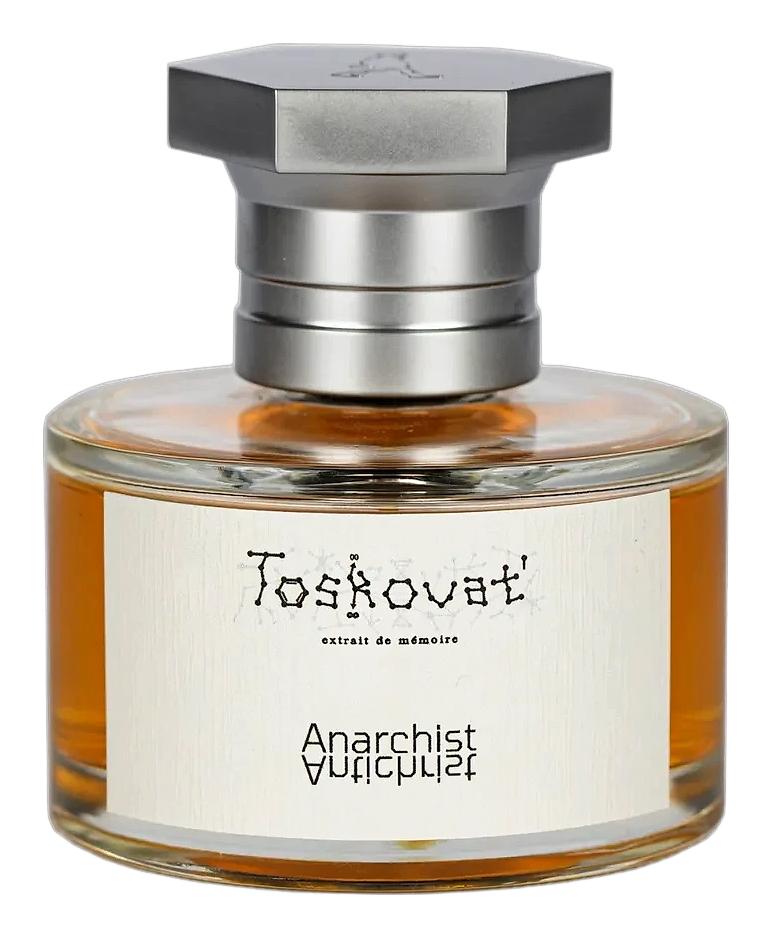
Fragrances featuring Priest’s Clothes
Brands
Brands known for Priest’s Clothes
Good to know
Questions, answered
The essentials on Priest’s Clothes in perfumery: how it smells, where it comes from, and how it behaves on skin.
What does Priest's Clothes smell like in perfume?
Labdanum delivers a warm, resinous aroma with sweet, slightly balsamic nuances and hints of leather and dried herbs. The scent is complex, combining earthiness with a distinctive ambery quality that adds immediate depth to any composition.
Why is Priest's Clothes used in perfumery?
Labdanum serves two critical functions: it acts as a powerful fixative while contributing rich base notes. Perfumers value its ability to extend fragrance longevity by slowing the evaporation of lighter top notes, and its warm character grounds compositions with sensual depth.
Is Priest's Clothes in perfume natural or synthetic?
Labdanum is a natural ingredient, derived from Cistus creticus shrubs native to the Mediterranean. Synthetic alternatives exist, but natural labdanum offers a complexity that remains unmatched, with multiple aromatic facets including resinous, leathery, and slightly floral dimensions.
What famous perfumes contain Priest's Clothes?
Labdanum appears in prestigious compositions including Amouage Epic Man, Dior Miss Dior, and Serge Lutens Ambre Sultan. It typically functions as part of a base note accord, combined with complementary ingredients like amber, vanilla, or woody elements to create signature dry-downs.
Is Priest's Clothes a top note, heart note, or base note?
Labdanum functions as a base note, the foundational layer that gives fragrance its staying power. As a resinous material with low volatility, it lingers on skin for hours, evolving slowly to become more pronounced as top notes dissipate.
What notes pair well with Priest's Clothes in perfume?
Labdanum harmonizes with diverse fragrance families. Vanilla and benzoin amplify its warmth, while woody notes like sandalwood, cedar, and vetiver add structure. Spicy companions such as cinnamon, clove, and cardamom enhance its resinous character for rich, enveloping compositions.
Where does Priest's Clothes come from?
Labdanum originates from Cistus creticus, cultivated primarily in Crete and throughout the Eastern Mediterranean. The resin is extracted via steam distillation or solvent extraction, with yields varying based on plant material quality and processing methods.
Is Priest's Clothes used in men's or women's fragrances?
Labdanum transcends gender categories in modern perfumery. While traditionally associated with masculine orientals and leather fragrances, it appears equally in feminine amber, chypre, and floral compositions, valued for its versatile, complex character that adds sophistication to either palette.