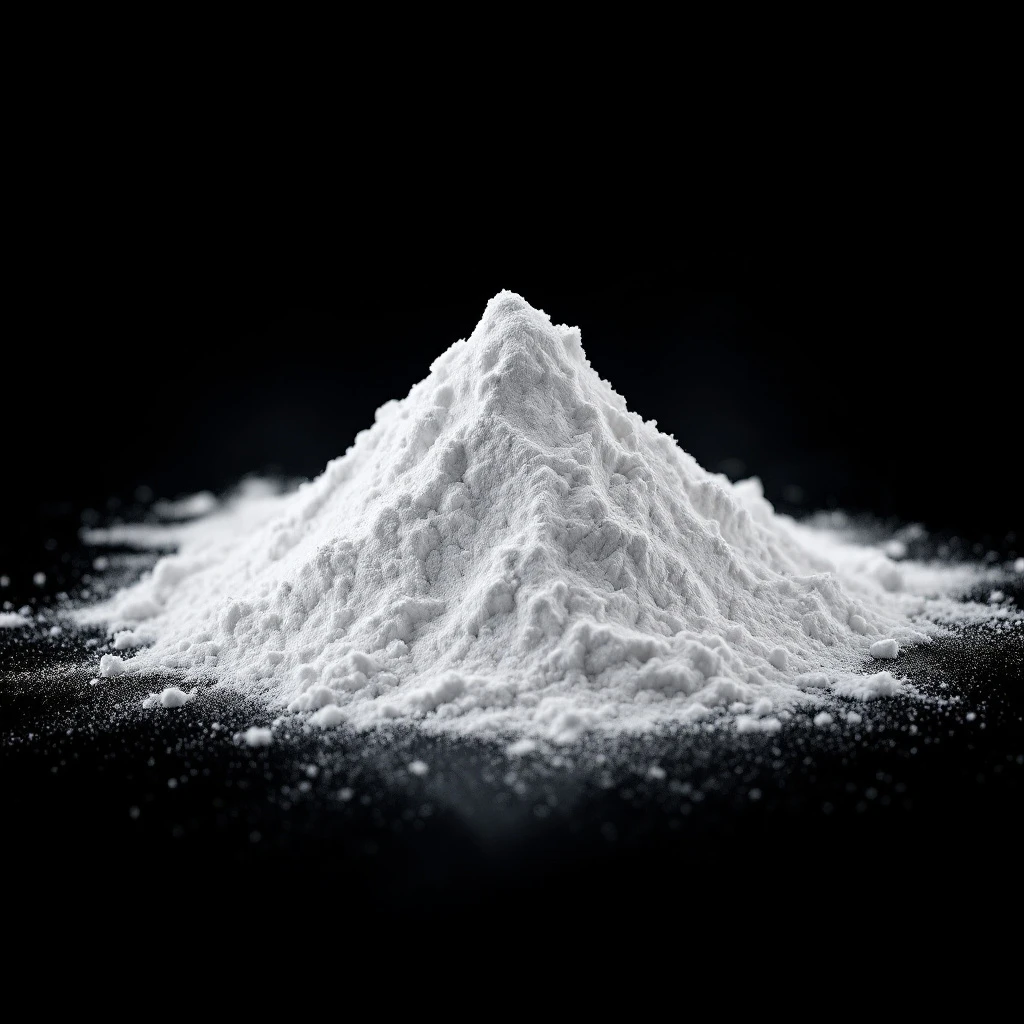
Powdery Floral
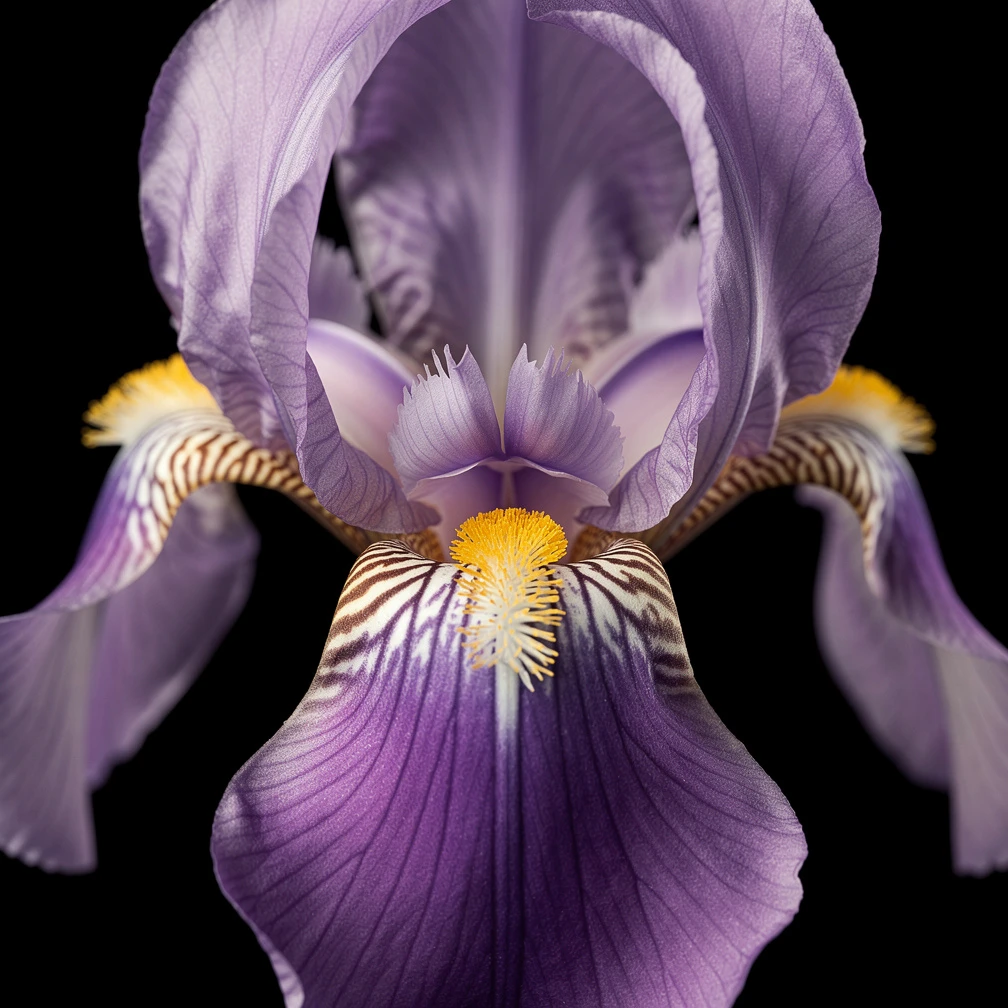
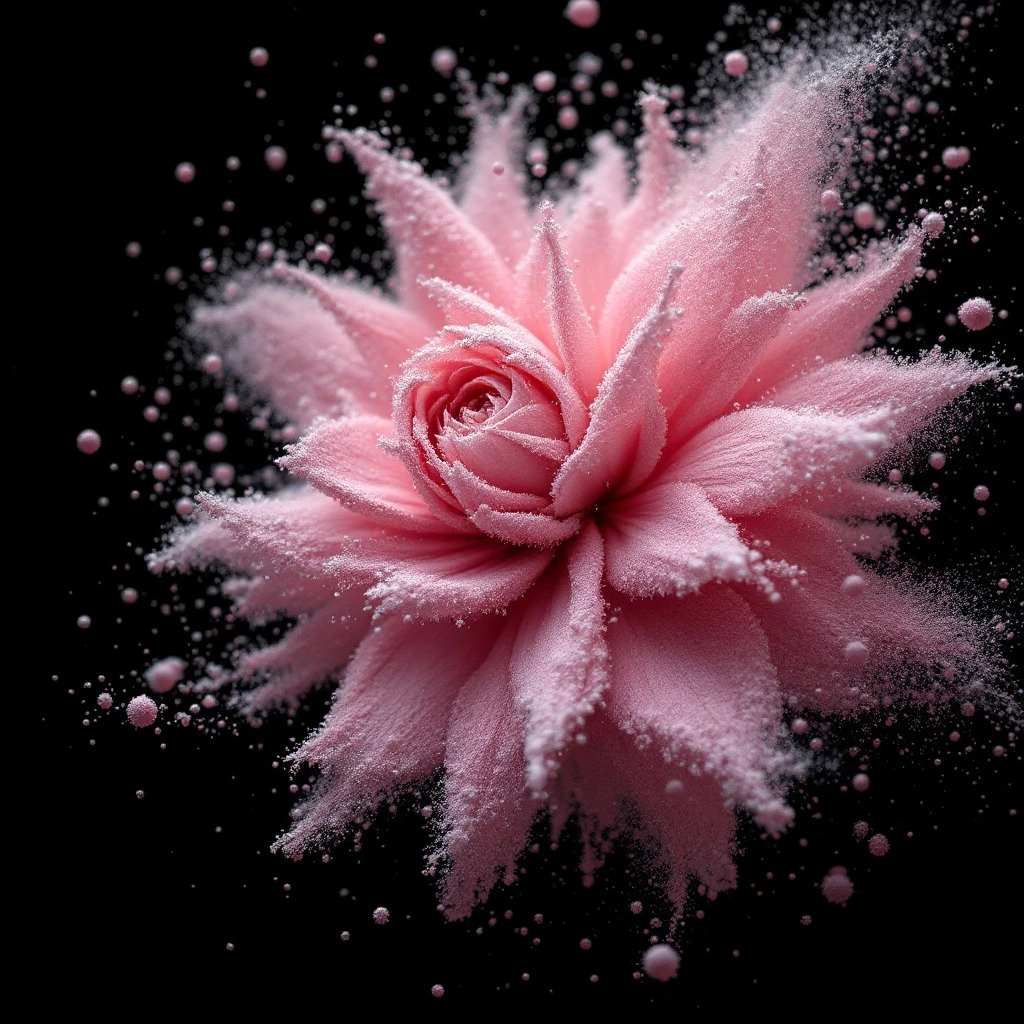
Powdery floral notes evoke the soft elegance of violet petals, orris root, and heliotrope, creating fragrances that feel intimate, nostalgic, and undeniably refined. These materials bridge the gap between vintage glamour and modern minimalism.
Character
How it smells
Soft petals, intimate warmth, timeless elegance.
Catherine de Medici popularized orris powder across European aristocracy, making powdery florals a status symbol centuries before modern perfumery existed.
Pairs beautifully with

Origin
Italy
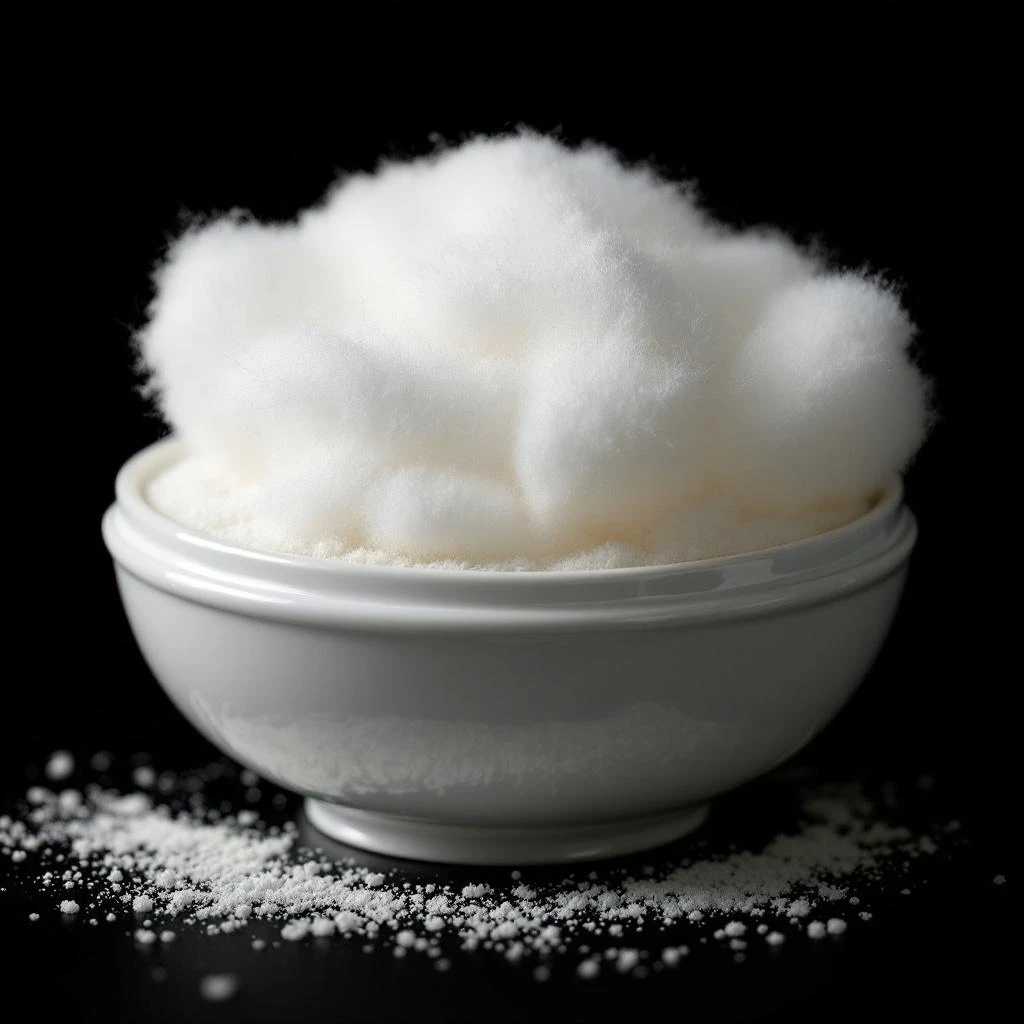
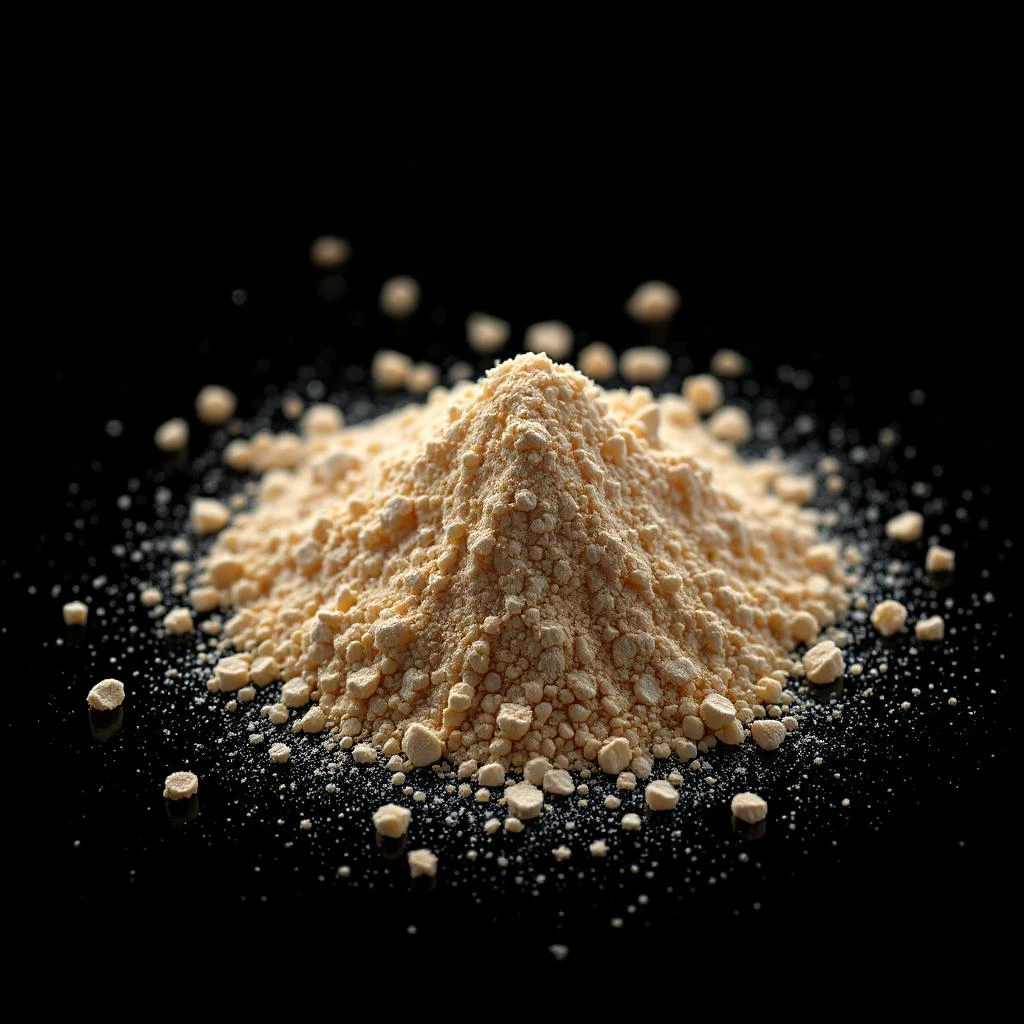
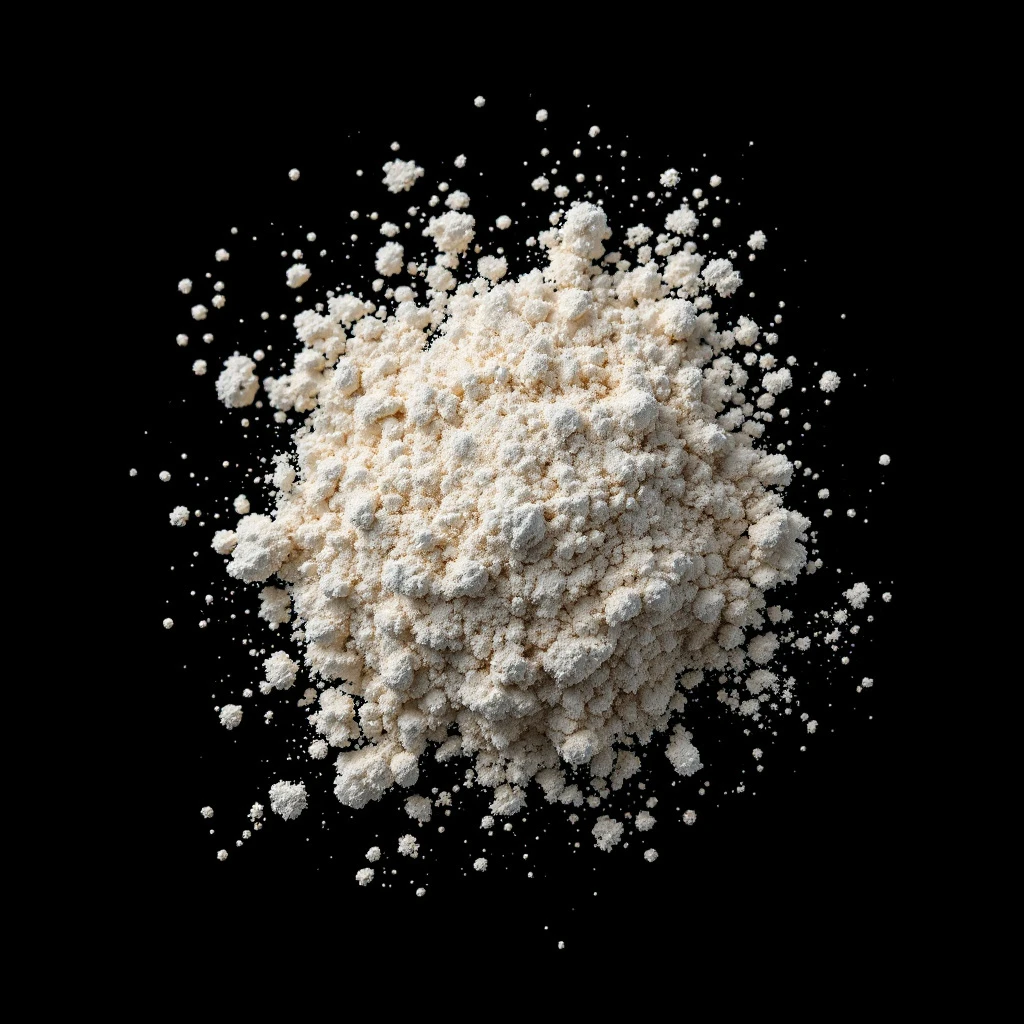
Powdery florals trace their heritage to Renaissance Europe, where rice powder and ground iris root became essential beauty preparations among the aristocracy. Catherine de Medici discovered orris powder during her travels and introduced it to French court cosmetics in the 16th century, sparking a trend that spread throughout Europe.
Violet cultivation became big business in the French region of Toulouse, where the famous Violette de Toulouse variety still grows today. These materials dominated women's fragrances throughout the 18th and 19th centuries, appearing in everything from toilet waters to solid perfumes.
The powdery aesthetic fell from favor during the bold 1980s but returned strongly in the 2000s, when minimalist fragrance movements rediscovered their subtle elegance. Contemporary perfumers now treat powdery florals as sophisticated alternatives to heavy florals, pairing them with clean musks and transparent woods.
Wears it best
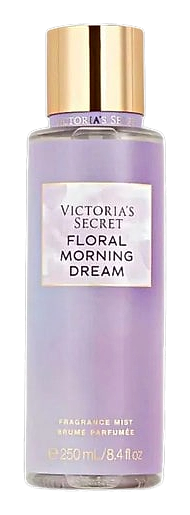
Fragrances featuring Powdery Floral
Brands
Brands known for Powdery Floral
Good to know
Questions, answered
The essentials on Powdery Floral in perfumery: how it smells, where it comes from, and how it behaves on skin.
What gives powdery florals their characteristic soft, makeup-like scent?
Aldehydes and ionones create the powdery effect. These molecules mimic the scent of orris root, violet petals, and rice powder, producing that soft, slightly sweet impression found in classic fragrances.
Which flowers are classified as powdery florals?
The primary powdery flowers are iris (orris root), violet, mimosa, heliotrope, and cassie. Each contributes its own variation of the powdery character to fragrance compositions.
Is orris root actually derived from a flower?
No. Orris root comes from the dried rhizome of Iris pallida, not the flower itself. The root must dry for 2-3 years before it develops its characteristic powdery, violet-like aroma.
How long has the powdery floral aesthetic existed in perfumery?
Powdery florals have existed since at least the 16th century. Catherine de Medici popularized orris powder across European courts in the 1500s, establishing this aesthetic centuries before modern perfumery emerged.
Can synthetic ingredients replicate natural powdery florals?
Yes. Modern perfumery uses synthetics like alpha-ionone, cashmeran, and Hedione to create powdery effects. These lab-created molecules often prove more consistent and sustainable than their botanical counterparts.
What fragrance families pair well with powdery florals?
Powdery florals complement aldehydic florals, chypre compositions, and modern musky fragrances. They also bridge classical and contemporary styles when paired with clean Woods or transparent musks.
Why did powdery florals decline in popularity during the 1980s?
The 1980s favored bold, sillage-heavy fragrances that overshadowed delicate powdery florals. The minimalist fragrance revival of the 2000s brought powdery notes back into favor with their subtle, refined character.
Where does the finest orris root for perfumery come from?
The Florence region of Italy produces some of the world's finest orris root from Iris pallida. This Mediterranean climate and soil composition create the ideal conditions for developing the rhizome's aromatic compounds.