

Character
The Story of Pink Pepper CO2
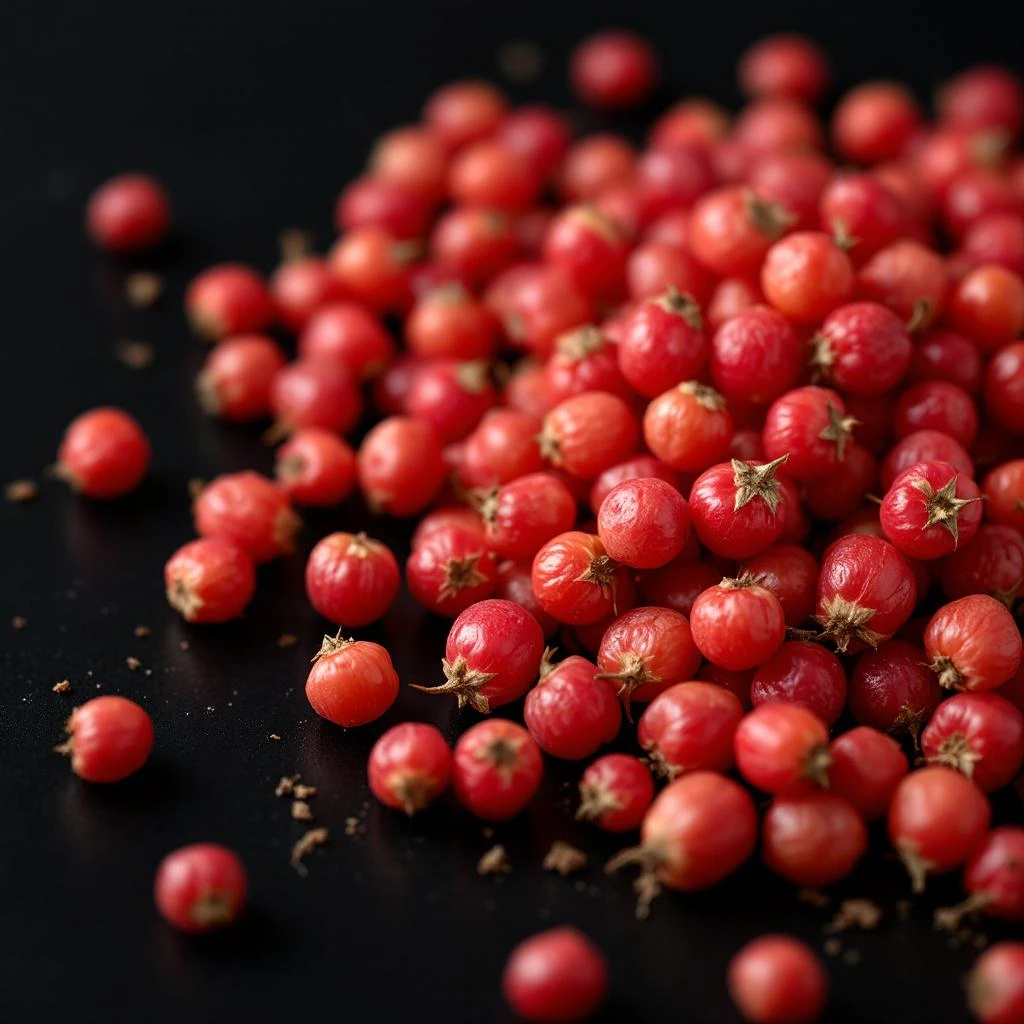
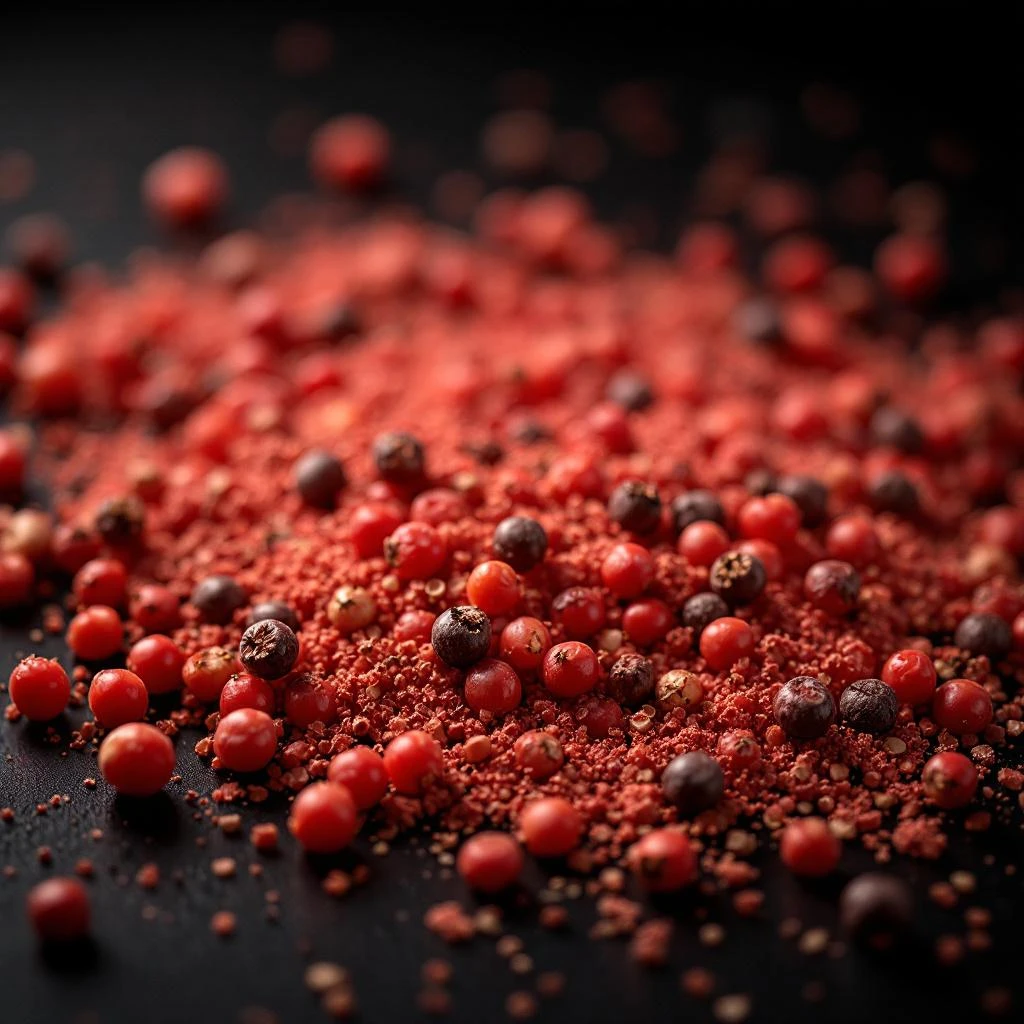
Pink peppercorn comes from Schinus molle, a tree related to mangoes, not Piper nigrum. CO2 extraction captures its vibrant, fresher aromatic profile: bright citrus and delicate floral notes alongside warm spice, creating an elevated version of the familiar berry.
Heritage
Andean civilizations adopted Schinus molle berries as food, medicine, and ritual objects long before European contact. Archaeological evidence suggests harvests from Peru's mountain valleys stretching back over 1,300 years. Spanish explorers encountered the plant during colonial expansion and documented its widespread use among indigenous communities. The tree held cultural significance across the region, valued as a symbol of protection and sustenance. Early European naturalists misidentified it as related to true pepper because of its appearance and pungent aroma. That misnomer persisted. Over centuries, cultivation spread through South America, establishing secondary growing regions in Brazil. Modern perfumers rediscovered pink peppercorn's aromatic potential in the late twentieth century, recognizing how its bright, complex scent profile differed fundamentally from Piper nigrum. Today, Peru remains the primary origin for premium pink pepper, and the ingredient has secured a permanent place in fine fragrance formulations worldwide.
At a Glance
7
Feature this note
Spicy
Olfactive group
Peru
Primary source region
Ingredient Details
Supercritical CO2 extraction
Fresh berries
Did You Know
"Schinus molle berries are relatives of mango and cashew trees, not Piper nigrum black pepper plants."