Moroccan grapefruit
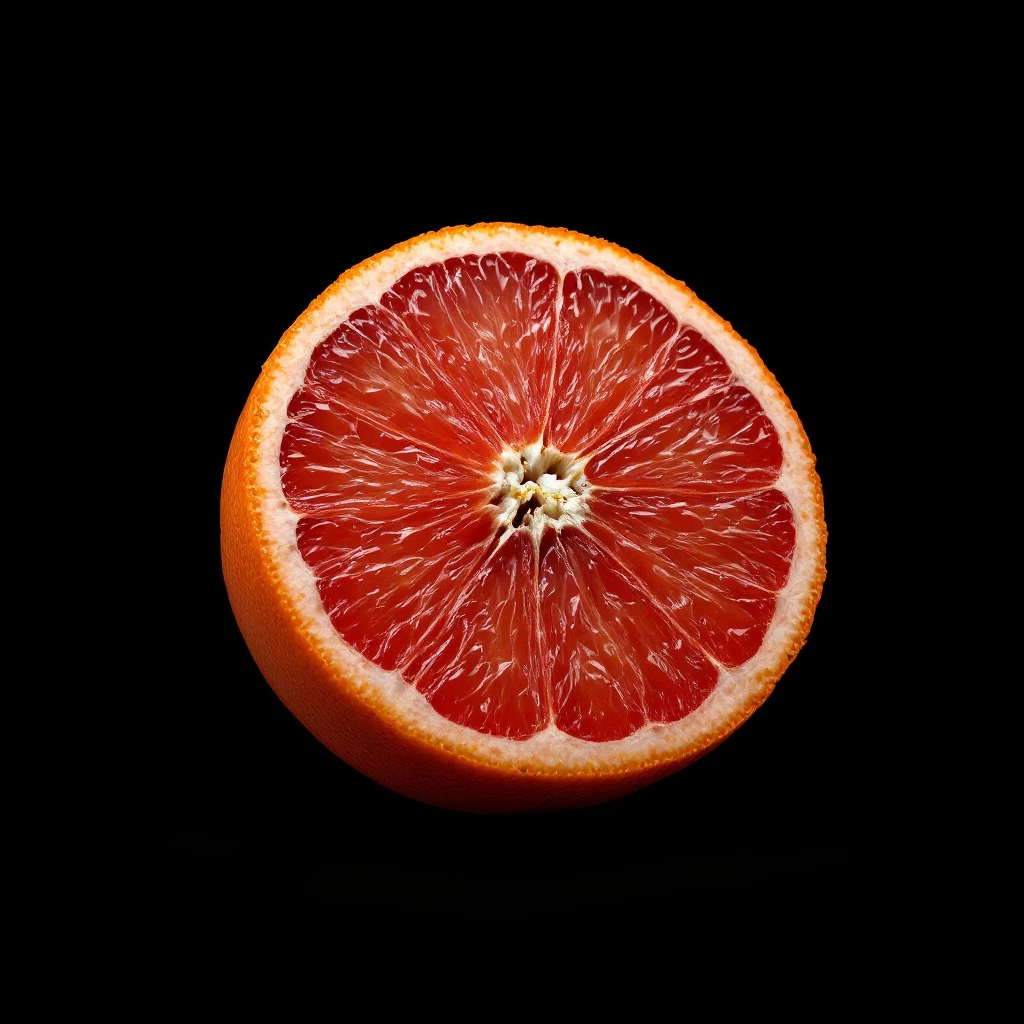
Moroccan grapefruit delivers a vivid citrus burst with unexpected complexity—bitter peel, sun-warmed flesh, and a green undertone that adds dimension beyond the ordinary. The country's arid valleys and intense light shape an oil prized in modern perfumery.
Character
How it smells
North African sunshine distilled into bright citrus.
The same compound that gives grapefruit its signature bitterness, nootkatone, was once used to flavor diet sodas until the FDA banned it in the 1980s.
Pairs beautifully with




Origin
Morocco
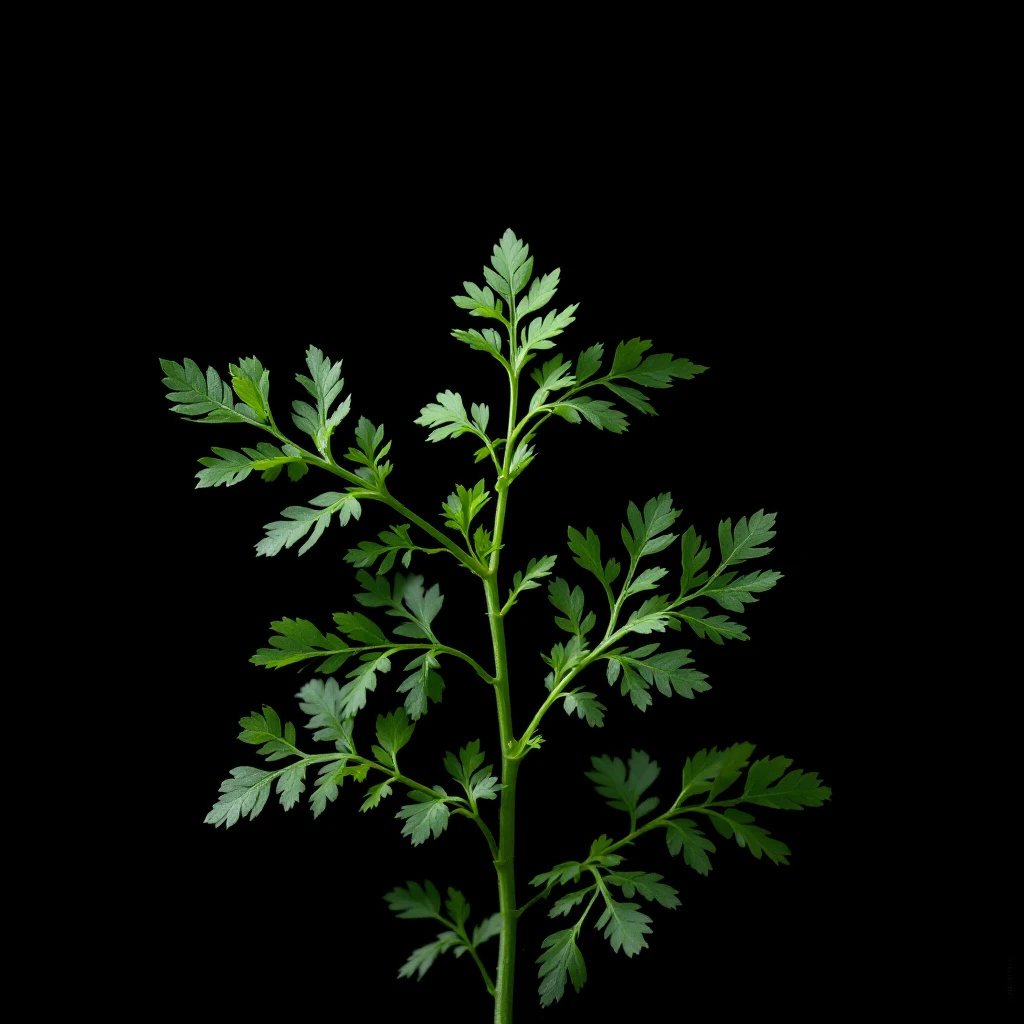
Citrus cultivation reached Morocco centuries ago through Arabic trade routes, but grapefruit itself arrived only in the twentieth century. The fruit—actually a hybrid of pomelo and orange—originated in Barbados around 1750.
Morocco began commercial citrus exports after independence, developing infrastructure in the 1960s and 1970s that made the country a significant producer. Florida dominated the global grapefruit oil market starting in 1933, yet Moroccan producers carved a niche in European perfumery through geographic proximity and distinct terroir.
The country's warm, dry climate produces grapefruit with higher volatile oil content than humid regions. Today, Moroccan citrus oils appear in countless fragrances as perfumers seek alternatives to synthetic citrus compounds.
Wears it best
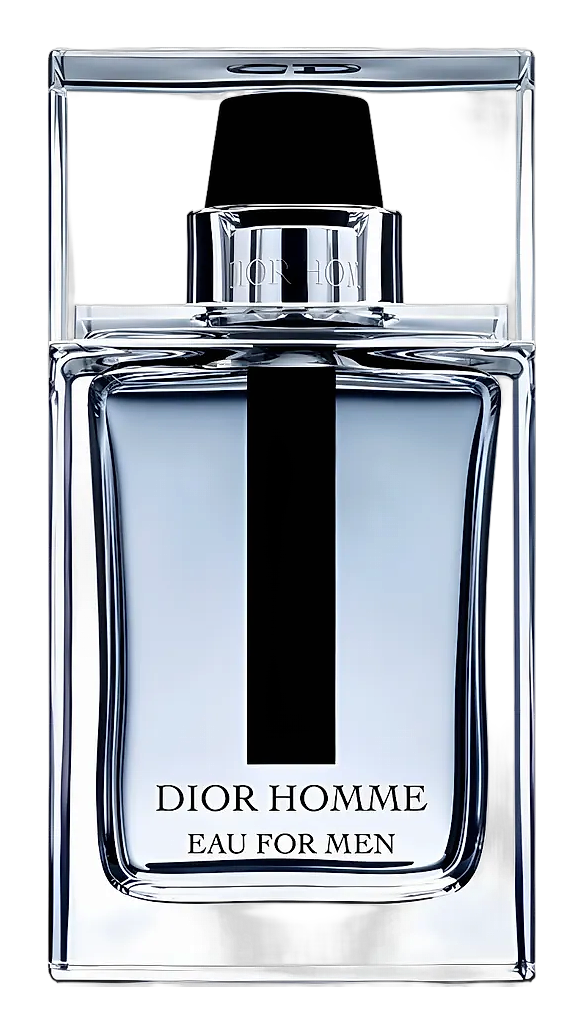
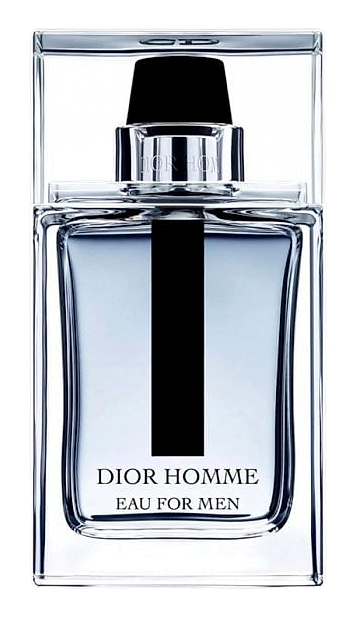
Fragrances featuring Moroccan grapefruit
Brands
Brands known for Moroccan grapefruit
Good to know
Questions, answered
The essentials on Moroccan grapefruit in perfumery: how it smells, where it comes from, and how it behaves on skin.
How does Moroccan grapefruit oil differ from other grapefruit oils?
Moroccan grapefruit oil contains higher concentrations of nootkatone due to the country's dry climate. This compound adds a woody, slightly bitter depth that Florida oils lack. The result is a more complex citrus note with staying power in top accords.
What gives grapefruit its characteristic bitter-sweet scent?
Two compounds create grapefruit's signature profile. D-limonene provides bright, clean citrus sweetness, while nootkatone adds a waxy, slightly bitter edge. The balance between these molecules determines whether an oil reads as more sweet or more bitter.
Can grapefruit oil be synthesized rather than extracted?
Yes. Synthetic grapefruit accord replicates the scent using lab-produced compounds like terpinolene and valencene. Natural oil remains preferred in high-end perfumery for its complexity, though aromachemical versions offer consistency and cost advantages.
How long does grapefruit oil last on skin?
Grapefruit oil functions as a top note, meaning it volatilizes within 15 to 30 minutes of application. Perfumers pair it with heart notes like geranium or base notes like cedarwood to anchor the fragrance as the citrus fades.
Does cold pressing affect oil quality?
Cold pressing preserves fragile aromatic molecules that heat-based methods would destroy. This matters especially for top notes like grapefruit, where the fresh, bright character depends on maintaining volatile compounds during extraction.
What fragrances showcase Moroccan grapefruit prominently?
Many modern eaux include grapefruit in their opening accords. In luxury perfumery, it often appears alongside bergamot, pink pepper, and marine notes. The specific origin matters less than the extraction quality and the perfumer's intent.
Is grapefruit oil used in food and cosmetics as well as perfume?
Grapefruit oil sees wide application beyond perfumery. Food manufacturers use it as flavoring, and cosmetic companies incorporate it into skincare for its brightening properties. The same cold-pressed oil often serves multiple industries.
What should buyers look for when sourcing grapefruit oil?
Quality indicators include color (pale yellow indicates proper processing), aroma (fresh, not musty), and gas chromatography results showing nootkatone content above 0.3%. Reputable suppliers provide batch-specific testing rather than generic specifications.