Crimean coriander
Crimean coriander delivers a distinctive cold spice with bright citrus and warm peppery depth. This Black Sea variety has shaped perfumery for millennia with its uniquely balanced aromatic profile.
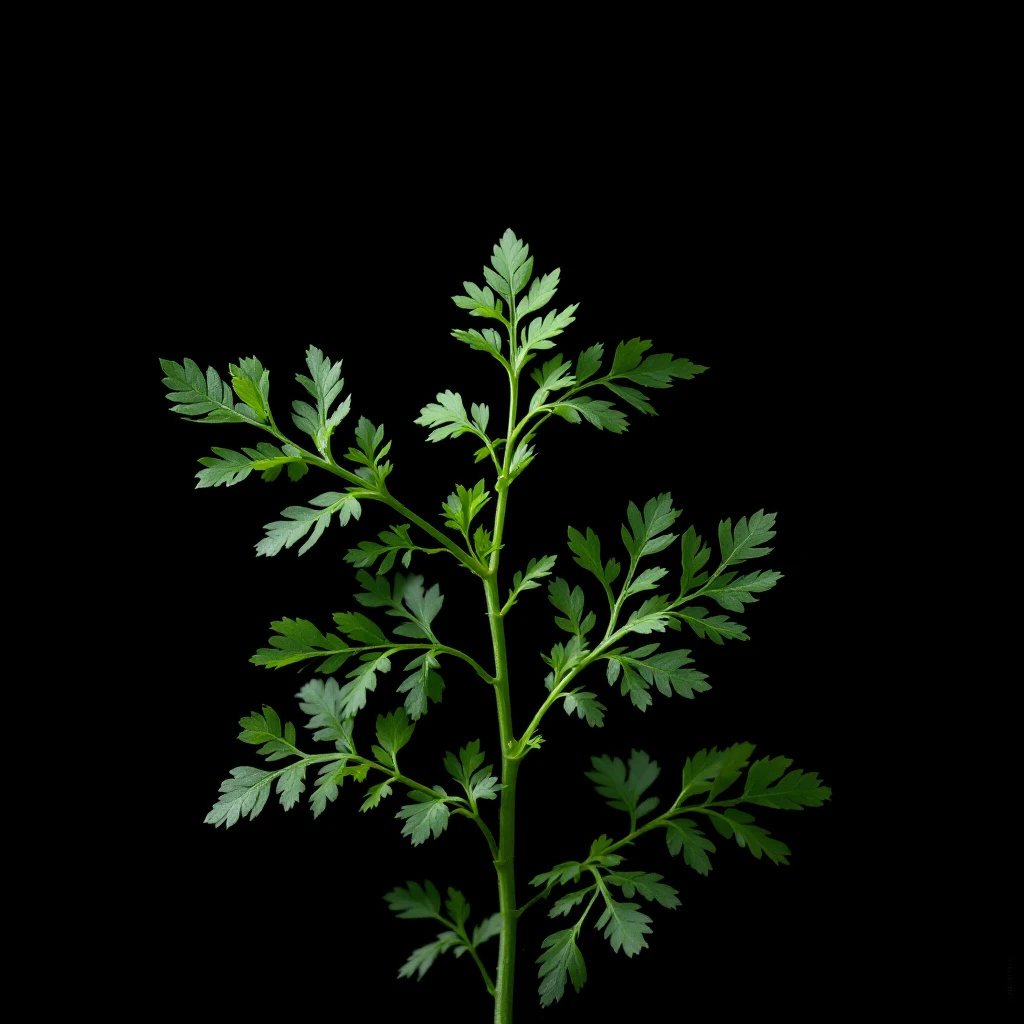
Character
How it smells
From the Black Sea coast, a coriander bridging fresh and warm.
Annual coriander seed production exceeds 500,000 metric tons globally, yet Crimean seeds remain prized for their exceptional linalool content.
Pairs beautifully with



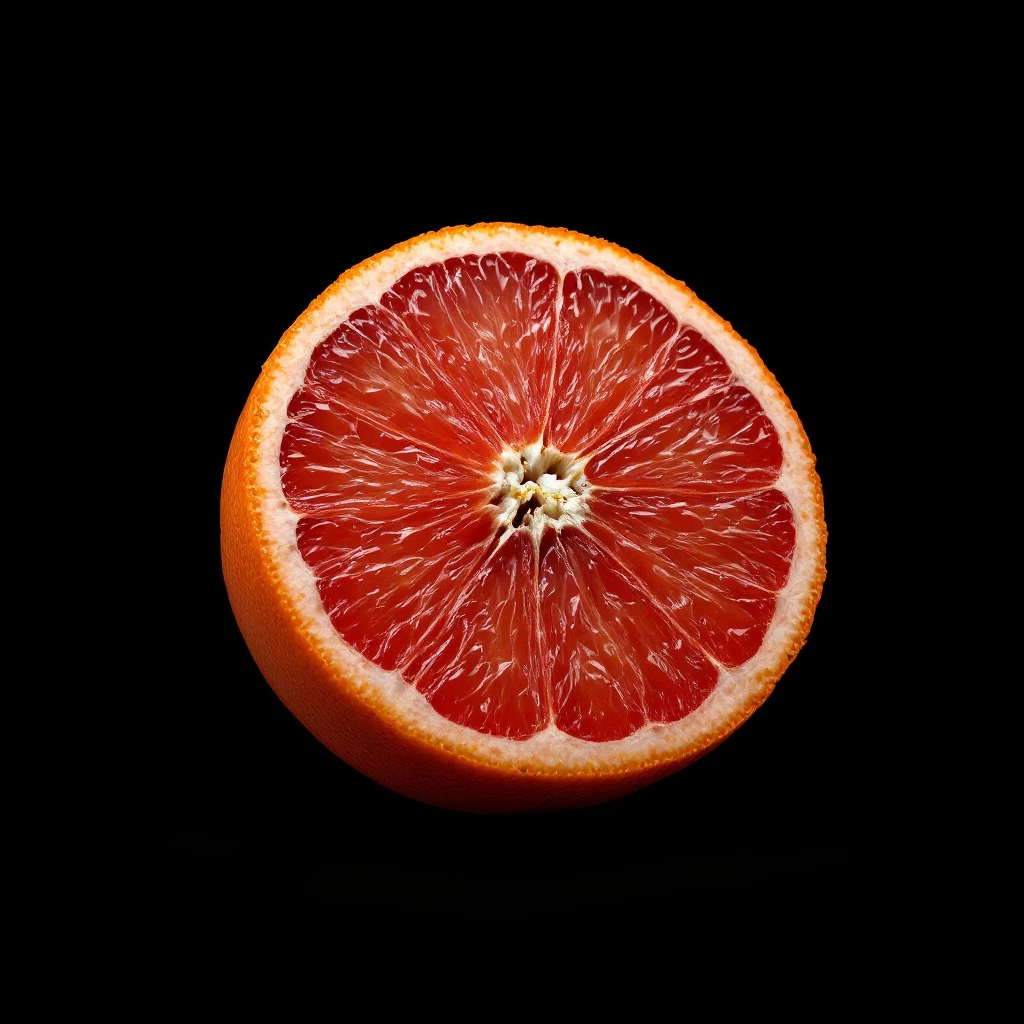

Origin
Ukraine
Coriander ranks among the oldest documented fragrance ingredients, with evidence of its use stretching back over 5,000 years to ancient Egypt and Mesopotamia. Archaeologists have uncovered coriander seeds in Egyptian tombs, suggesting their ceremonial significance in ancient burial practices. The Romans carried coriander across Europe, valuing it for both culinary and aromatic purposes.
Crimea emerged as a particularly significant cultivation region due to its favorable growing conditions along the Black Sea coast, where warm summers and mineral-rich limestone soils produced seeds with exceptional aromatic intensity. By the 19th century, Crimean coriander had become a prized material in the developing European perfume industry, prized for its clean citrus-spice character that blended seamlessly with emerging synthetic aromatics. The region's long history of spice trade positioned it as a natural hub for perfumery ingredients flowing into Western Europe.
Today, while cultivation has shifted somewhat since political changes, Crimean coriander maintains its reputation among perfumers seeking its particular aromatic signature.
Wears it best
Fragrances featuring Crimean coriander
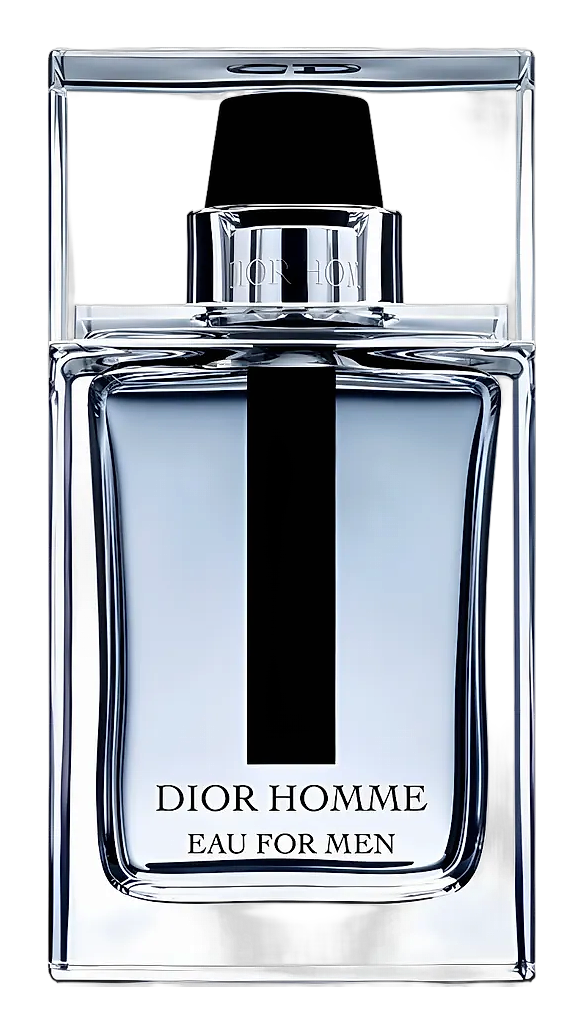
Brands
Brands known for Crimean coriander
Good to know
Questions, answered
The essentials on Crimean coriander in perfumery: how it smells, where it comes from, and how it behaves on skin.
What does Crimean coriander smell like?
Crimean coriander presents a cold spice character with bright citrus notes and warm peppery depth, complemented by subtle woody undertones. The Black Sea coastal origins lend it a cleaner, more balanced aromatic profile compared to other varieties.
How is coriander essential oil extracted?
Steam distillation extracts coriander essential oil from dried seeds. Pressurized steam releases aromatic compounds, which condense into oil yielding 0.3% to 1% of the original seed weight.
Why is Crimean coriander considered premium?
Crimea's limestone-rich soils and coastal climate produce seeds with elevated linalool content, creating a more intensely aromatic oil with better citrus-spice balance than seeds from other growing regions.
What fragrance families use coriander?
Coriander features prominently in chypre and masculine fragrance constructions. It serves as a bridge between citrus top notes and spicier heart notes, adding freshness without sharpness.
Is coriander used in food and perfumery?
Coriander seed serves dual purposes: culinary use worldwide exceeds 500,000 metric tons annually, while perfumery values its unique citrus-peppery aromatic profile. The distillation process separates these applications.
What gives coriander its distinctive scent?
Linalool is the primary aromatic compound in coriander seed oil, responsible for its citrus-floral character. Additional compounds including camphor and geraniol contribute warm, slightly medicinal spice notes.
How long has coriander been used in perfumery?
Documented perfumery use spans over 5,000 years, originating in ancient Egypt and Mesopotamia. Crimean cultivation gained prominence during the Roman era when the region became a trade crossroads.
Can synthetic alternatives replace natural coriander?
Synthetic linalool replicates one component of coriander's scent, but natural coriander oil contains dozens of aromatic compounds creating a more complex, nuanced effect that synthetics struggle to fully replicate.