Malt sugar
Malt sugar delivers warm, edible sweetness with caramel undertones. In perfumery, it anchors gourmand compositions and adds depth to amber and vanilla structures. This ingredient bridges culinary comfort and olfactory luxury.

Character
How it smells
Sweetness distilled from grain, captured in amber.
The malting process that creates malt sugar in brewing also forms the chemical foundation for caramel and toffee notes in perfumery.


Origin
Scotland
Malt sugar traces its perfumery heritage to the ancient practice of malting grain for brewing, a tradition spanning thousands of years across Mesopotamia and the Mediterranean. While early perfumers worked primarily with botanical extracts and resins, the culinary use of malted ingredients influenced the development of edible-themed fragrances. By the late 19th century, perfumers experimenting with synthetic materials gained the ability to recreate sugar-like sweetness without natural constraints.
The gourmand movement of the 1990s popularized warm, edible notes across mainstream perfumery, elevating malt sugar from a niche accent to a recognized fragrance pillar. Today, malt sugar appears in countless fragrances designed to evoke comfort, warmth, and the satisfying sweetness of fresh-baked goods.
Wears it best
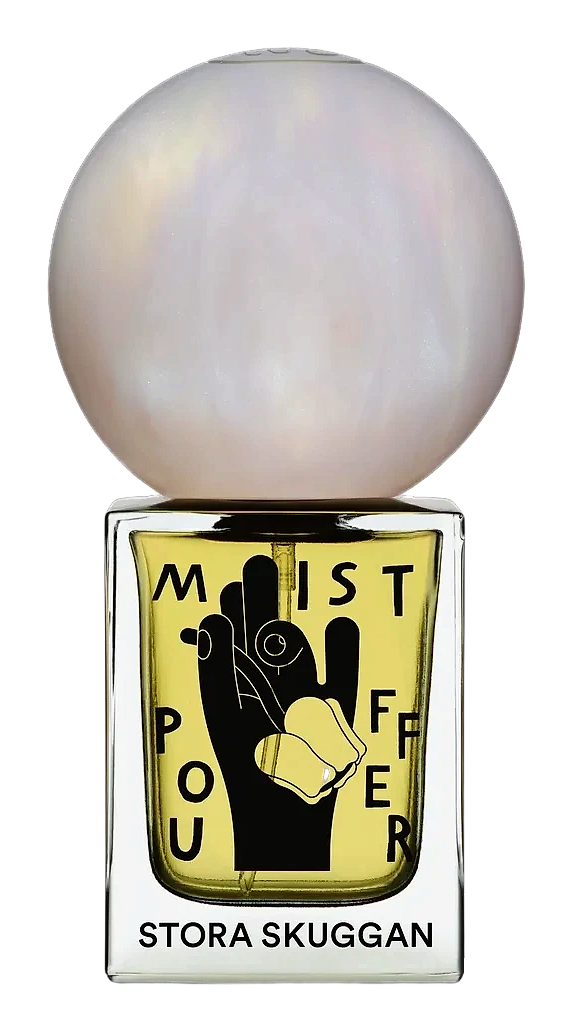
Fragrances featuring Malt sugar
Brands
Brands known for Malt sugar
Good to know
Questions, answered
The essentials on Malt sugar in perfumery: how it smells, where it comes from, and how it behaves on skin.
What does malt sugar smell like in perfume?
Malt sugar produces warm, sweet notes reminiscent of fresh bread, caramel, and amber. It adds edible quality to fragrances without overwhelming sweetness.
Is malt sugar a natural or synthetic ingredient?
Malt sugar in perfumery is typically synthesized through enzymatic conversion of grain starches. Natural malt extracts also exist for perfumery use.
Which fragrance families use malt sugar?
Malt sugar appears primarily in gourmand and oriental families. It works especially well with vanilla, tonka, caramel, sandalwood, and amber accords.
What fragrances feature malt sugar notes?
Malt sugar commonly appears in warm orientals, edible-themed gourmand scents, and whisky-inspired compositions where its grain-derived warmth supports boozy accords.
Does malt sugar fade quickly in a fragrance formula?
Malt sugar typically provides a heart-to-base presence in fragrance compositions. Its sweetness integrates well and lasts through the fragrance's middle phases.
Can malt sugar be combined with alcohol notes?
Malt sugar pairs naturally with spirit and alcohol accords. Their combination creates whisky and bourbon-inspired effects common in modern masculines.
Is malt sugar related to vanilla in perfumery?
Malt sugar and vanilla share warm, sweet characteristics and frequently appear together. Where vanilla provides creamy sweetness, malt sugar adds bread-like depth.
What is the chemical compound behind malt sugar aroma?
The signature aroma comes from maltose, a disaccharide sugar produced through enzymatic hydrolysis of starch, combined with Maillard reaction products for caramelization effects.