Italian Jasminum grandiflorum
Mediterranean-grown Jasmine grandiflorum yields the most widely used jasmine in modern perfumery. This Italian-cultivated blossom delivers opulent, rich warmth with characteristic fruity notes of apricot and banana. Master perfumers prize it for its sun-drenched complexity.
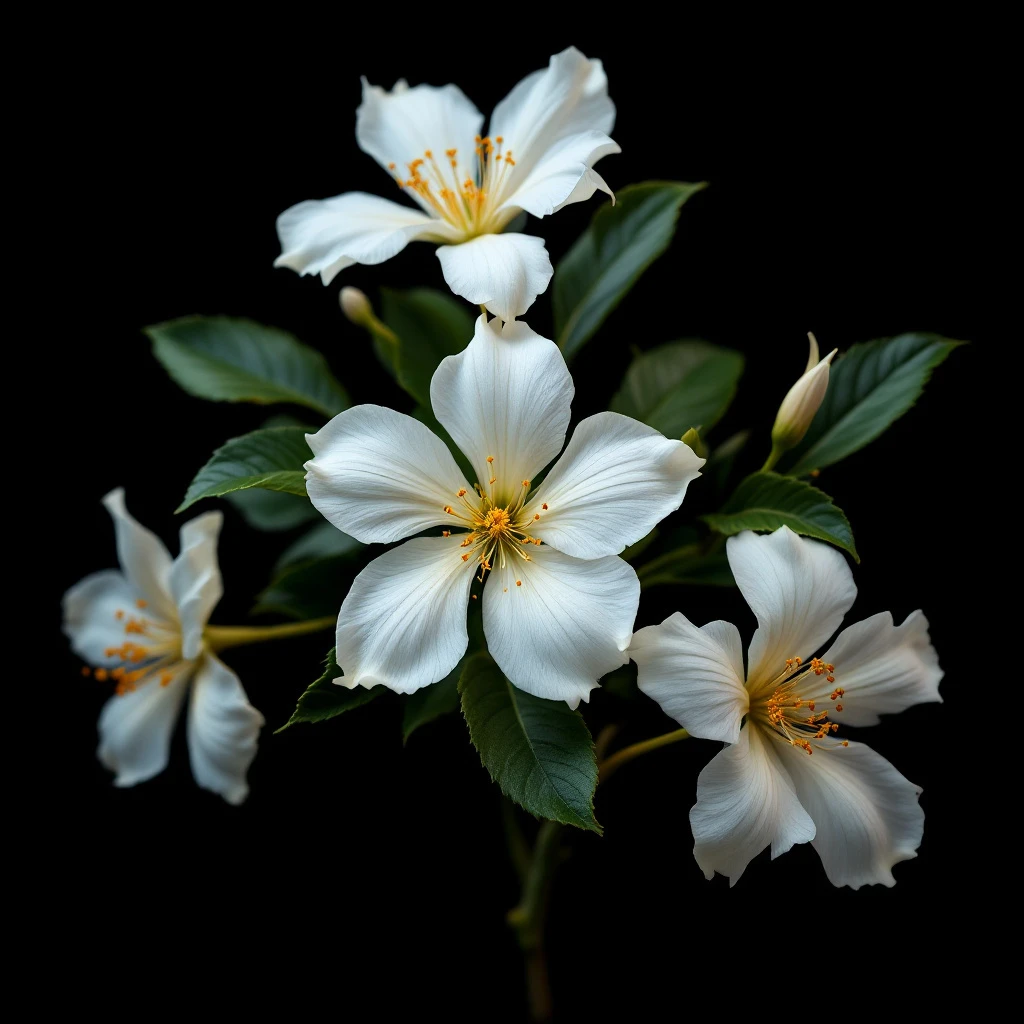
Character
How it smells
Mediterranean warmth in every bloom.
It takes roughly 1,000 jasmine blossoms to produce just one gram of absolute, making each drop a concentrated celebration of sunlight and care.
Pairs beautifully with
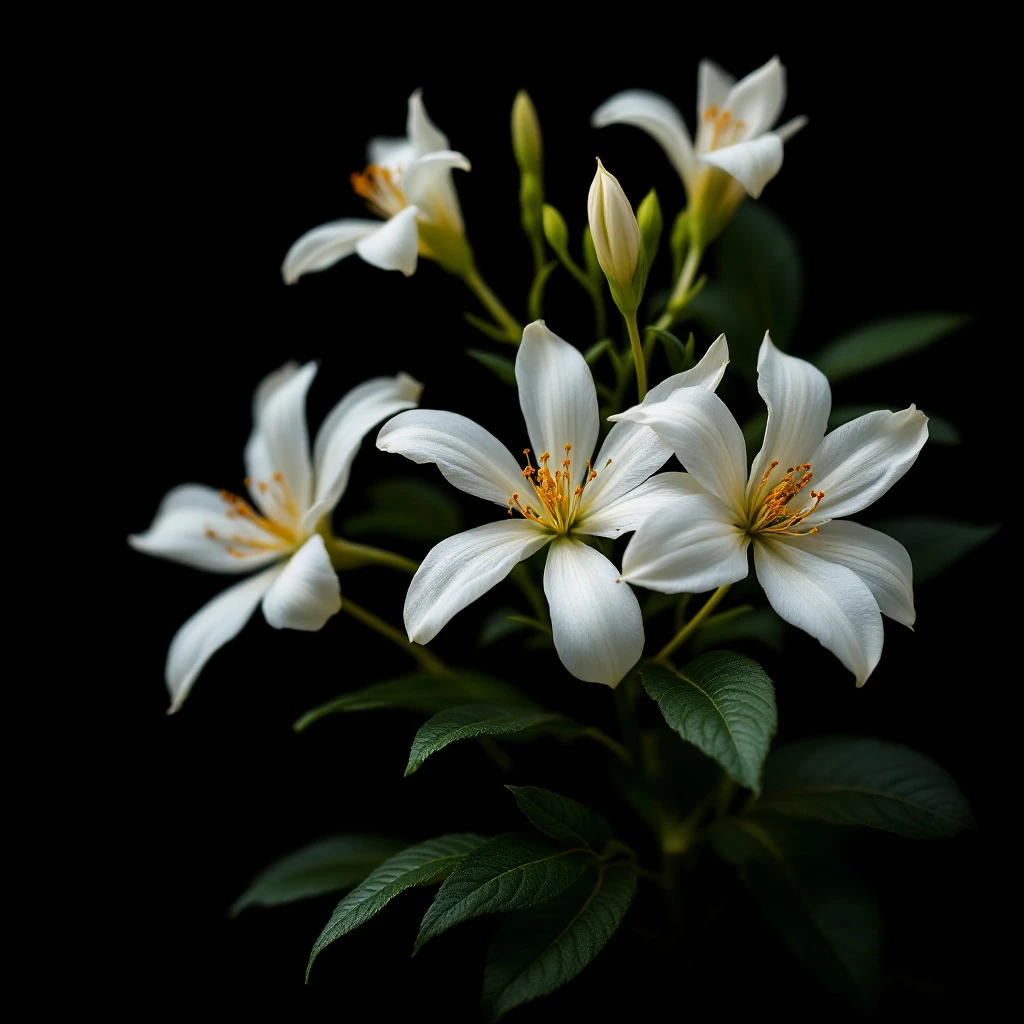



Origin
Italy
Jasmine grandiflorum traces its wild origins to Himalayan valleys, where it flourished for millennia before human cultivation spread it along ancient trade routes. traders carried the plant across Asia and the Middle East, establishing it in gardens from Persia to the Mediterranean. French perfumers in Grasse discovered the flower's extraordinary potential in the 18th century, creating intense demand that shaped global cultivation patterns.
During the 1950s, Grasse industrialists expanded production beyond traditional French borders, planting jasmine in Italy, Egypt, and eventually India to meet growing fragrance industry needs. Sicily became a particularly significant center of production between the 1930s and 1960s, earning the designation of open-air perfume factory as vast fields blanketed agricultural regions. This Italian cultivation produced jasmine with a distinctive terroir character shaped by Mediterranean sunlight, volcanic Sicilian soil, and generations of grower expertise.
While India and Egypt now lead global jasmine production, Italian-grown grandiflorum remains a benchmark for quality in high-end perfumery, prized for its particular warmth and the careful traditions governing its harvest.
Wears it best
Fragrances featuring Italian Jasminum grandiflorum

Brands
Brands known for Italian Jasminum grandiflorum
Good to know
Questions, answered
The essentials on Italian Jasminum grandiflorum in perfumery: how it smells, where it comes from, and how it behaves on skin.
What does Italian jasmine grandiflorum smell like?
Italian jasmine grandiflorum presents an opulent, rich floral profile with sweet fruity undertones reminiscent of apricot and banana. The Mediterranean growing conditions add warmth and particular depth that distinguishes it from jasmine grown in other regions.
Why is jasmine grandiflorum so important in perfumery?
Jasmine grandiflorum is the most widely used jasmine species in perfumery. Its versatile scent profile blends seamlessly with most fragrance families, providing the characteristic white floral heart that defines countless iconic perfumes.
How is jasmine absolute produced from Italian jasmine?
Harvesters pick jasmine blossoms by hand at dawn, then immediately transport them for solvent extraction. Hexane pulls the aromatic compounds from the flowers, producing a concrete that undergoes further processing to isolate the pure absolute.
Where does Italian jasmine grandiflorum originate?
The species Jasminum grandiflorum originated in Himalayan valleys. Italian cultivation began in the mid-20th century when Grasse perfumers established Mediterranean plantations to supplement French production.
How much jasmine is needed to produce jasmine absolute?
Producing one gram of jasmine absolute requires approximately 1,000 jasmine blossoms. This extraordinary concentration means jasmine absolute commands premium pricing and careful stewardship by perfumers.
What distinguishes Italian jasmine from other sources?
Mediterranean sunlight and regional soil composition create jasmine with distinctive warmth and fruity complexity. Italian producers have developed specialized cultivation and harvest traditions over generations that influence the final aromatic profile.
Can jasmine grandiflorum be found growing wild?
No, Jasmine grandiflorum no longer grows wild. The species naturalized from cultivation over centuries, though wild specimens no longer exist in significant numbers.
When did Italy begin cultivating jasmine for perfumery?
Italian jasmine cultivation expanded significantly between the 1930s and 1960s, with Sicily developing into a major production center during this period. Grasse industrialists accelerated this expansion in the 1950s.