Hay Fields
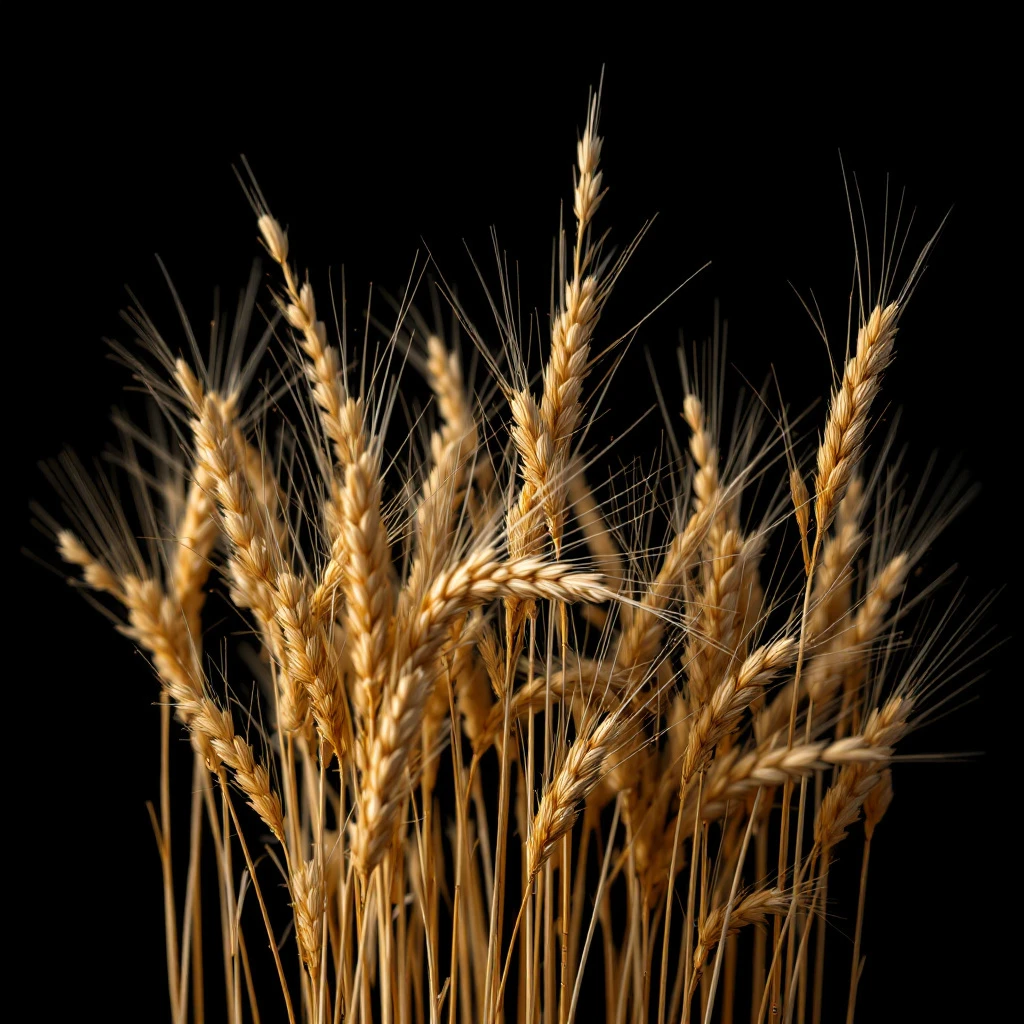
Warm and sun-kissed, hay absolute captures the golden sweetness of dried grasses after a summer harvest. Evoking sun-drenched meadows and rustic countryside days, this aromatic material brings an authentic pastoral richness to fragrance compositions.
Character
How it smells
Golden harvested sweetness in every note.
Real hay absolute contains coumarin, the same compound that gives fresh-cut clover its distinctive sweet scent.
Pairs beautifully with

Origin
France
The scent of hay has accompanied human civilization since agricultural communities first stored dried grasses for winter livestock feed. Ancient Romans collected wild grasses and documented their pleasant, sweet fragrance when dried.
The rural connection between hay and prosperity made it a symbol of abundance across European folklore and literature. During the 18th century, French and Italian perfumers began experimenting with herbal extracts, eventually isolating the characteristic sweet note of properly cured hay.
As European perfumery expanded through the 19th century, hay absolute emerged as a botanical material, valued for its ability to add warmth and pastoral authenticity to fragrances. The rise of synthetic chemistry in the early 20th century initially threatened natural hay extracts, but perfumers continued preserving traditional extraction methods, recognizing the complexity that natural materials provide.
Wears it best
Fragrances featuring Hay Fields

Brands
Brands known for Hay Fields
Good to know
Questions, answered
The essentials on Hay Fields in perfumery: how it smells, where it comes from, and how it behaves on skin.
What does hay absolute smell like in perfume?
Hay absolute delivers a warm, sweet, slightly honeyed aroma with grassy undertones. It combines the warmth of dried grass with subtle coumarin notes and a vaguely vanillic sweetness, creating an authentic pastoral effect rarely matched by synthetic alternatives.
Is hay absolute a natural or synthetic ingredient?
Hay absolute is a fully natural ingredient extracted from dried grasses, primarily timothy grass. The extraction uses organic solvents in a process that preserves the complex aromatic profile gathered during the natural curing of cut grasses.
What percentage of a fragrance formula typically contains hay absolute?
Hay absolute functions as a supporting note in fragrance construction, typically comprising between 0.5 and 3 percent of a formula. Its concentrated nature means even small additions effectively communicate warmth and naturalness throughout the fragrance composition.
Which fragrance families pair best with hay absolute?
Hay absolute harmonizes naturally with herbal, fougere, and chypre families. It combines particularly well with lavender, clary sage, and oakmoss. In modern compositions, it grounds lighter florals with rural warmth and adds authenticity to earth-forward leather themes.
What seasonality does hay absolute evoke?
Hay absolute captures late summer harvest, projecting warmth and abundance. It reads as both summery and transitional, equally suited for autumn compositions that reference fading meadows or summer scents that need grounding and rustic depth.
How long has hay absolute been used in perfumery?
Documented use of hay extracts in perfumery dates to the mid-19th century in France and Italy. However, artisanal perfumers likely experimented with dried grasses much earlier, as rural communities recognized their pleasant, persistent fragrance for centuries.
Does hay absolute contain allergens?
Natural hay absolute contains trace coumarin, which appears on allergen advisory lists in the EU. Responsible formulators include coumarin content on product ingredient disclosures when concentrations exceed traceability thresholds.
What alternatives exist for synthetic-free hay notes?
Tonka bean absolute shares coumarin-derived sweetness and provides similar warm, sweet qualities. Synthetic coumarin replicates the signature hay note directly but lacks the complexity of natural extraction. Blending herbal materials with trace vanilla often achieves comparable warmth sustainably.