Green Rhubarb
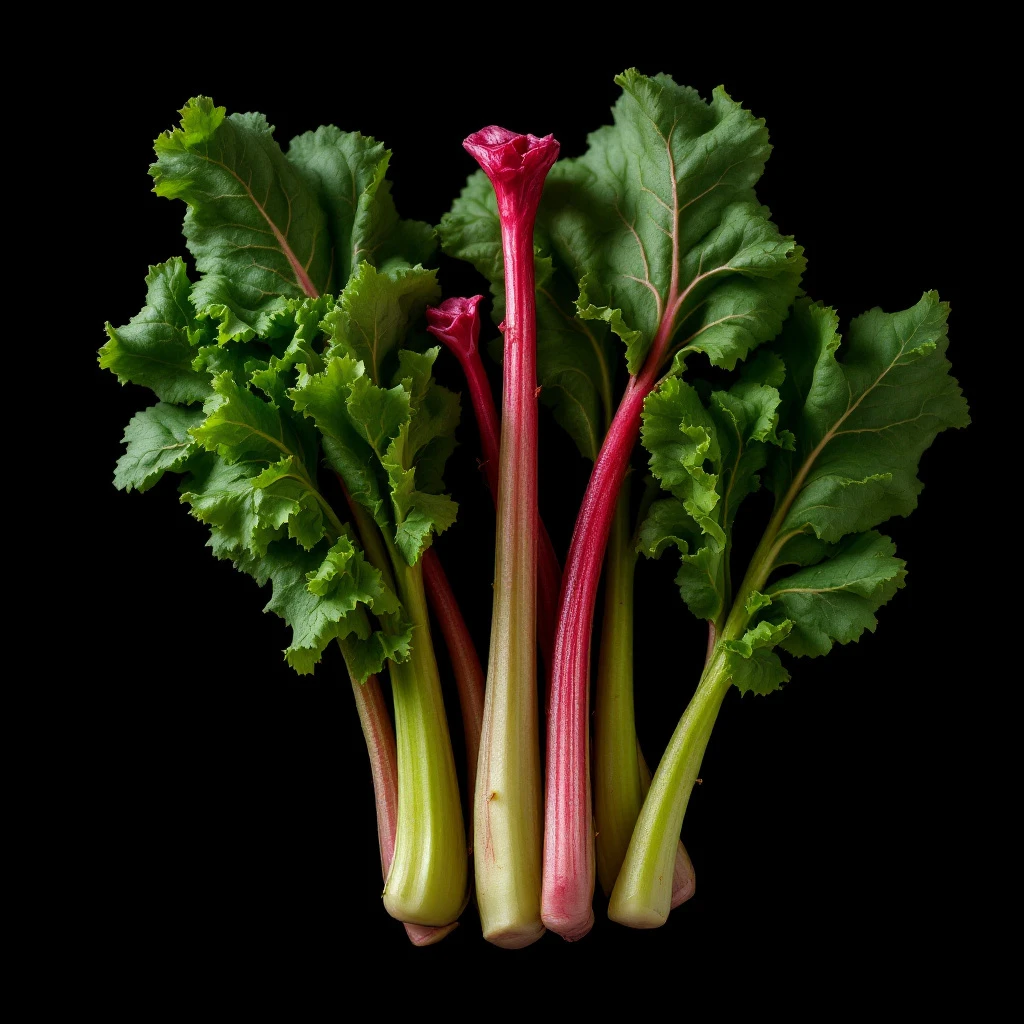
Green rhubarb captures the crisp snap of freshly cut stalks, channeling the vegetable's signature tartness into an aromatic note that awakens compositions with its sharp, verdant character.
Character
How it smells
Bright tartness with an earthy, green edge
Rhubarb leaves contain toxic oxalic acid, yet the stalks develop their signature flavor from the same compound in safe, trace amounts.


Origin
China
Rhubarb originated in the regions surrounding China, Tibet, and Siberia, where wild varieties grew for centuries before cultivation began. Ancient Chinese texts document rhubarb root as a medicinal substance dating back thousands of years. European appreciation for rhubarb developed more slowly, initially as a medicinal garden plant during the 18th century before culinary use expanded.
The vegetable made its entry into Western gardens around the 1600s, though it remained primarily pharmaceutical for generations. Its transition to perfumery is a distinctly modern phenomenon, emerging only as analytical chemistry allowed perfumers to identify and replicate its aromatic signature. The green, tart qualities that make rhubarb distinctive in food translate compellingly to fragrance, where such bright, crisp notes cut through heavier compositions.
Contemporary perfumery adopted rhubarb as a green note during the late 20th century, finding it particularly useful in fresh, aquatic, and chypre formulations.
Wears it best
Fragrances featuring Green Rhubarb
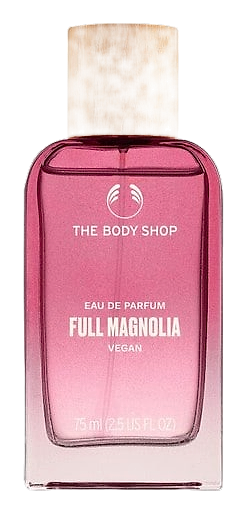
Brands
Brands known for Green Rhubarb
Good to know
Questions, answered
The essentials on Green Rhubarb in perfumery: how it smells, where it comes from, and how it behaves on skin.
Is green rhubarb in perfume natural or synthetic?
Green rhubarb in perfumery is almost exclusively synthetic. Perfumery captures the vegetable's aromatic profile by synthesizing specific molecules like rhubarb aldehyde. This approach ensures batch-to-batch consistency while delivering the same tart, green character found in the plant.
What does green rhubarb smell like in fragrance?
Green rhubarb smells bright, tart, and slightly metallic with verdant undertones. The note recalls the sensation of biting a raw rhubarb stalk: sharp acidity balanced by earthy, green complexity. It adds a crisp, awakening quality to fragrance compositions.
Which perfume families commonly use green rhubarb?
Fresh and green fragrance families feature green rhubarb most prominently. The note appears frequently in modern aquatic scents, chypres, and fougère compositions. Perfumers also use it to add lift and brightness to fruity and aromatic fragrances.
Does green rhubarb have any cultural significance in perfumery?
Green rhubarb represents a distinctly modern perfumery material, emerging only as analytical chemistry advanced. Its adoption reflects the 20th-century shift toward recreating complex natural aromatics through synthesis, expanding perfumers' palettes beyond traditional natural ingredients.
Can you use natural rhubarb extract in perfume?
Natural rhubarb extract exists but sees limited perfumery use due to instability and inconsistent aromatic yield. The leaves and stalks contain the target compounds, but extraction costs and shelf-life challenges make synthetic recreation the industry standard for this note.
What other notes pair well with green rhubarb?
Green rhubarb pairs naturally with citrus oils, other green notes like galbanum, and aquatic aromatics. In fruity compositions, it adds tartness that enhances berry and apple accords. Its brightness also cuts effectively through woody and musky base materials.
Where does rhubarb grow originally?
Wild rhubarb originated in the mountainous regions of western China, Tibet, and Siberia. Ancient Chinese civilizations first documented medicinal use of rhubarb root over 2,000 years ago. The vegetable traveled westward over centuries, reaching European gardens by the 1600s.
Why do perfumers prefer synthetic rhubarb accords?
Synthetic rhubarb accords offer olfactory consistency that natural extracts cannot match. Growing conditions, soil composition, and harvest timing all affect natural material quality. Synthetic production delivers the same tart, green character in every batch while remaining more cost-effective for large-scale fragrance production.