Ginger liqueur
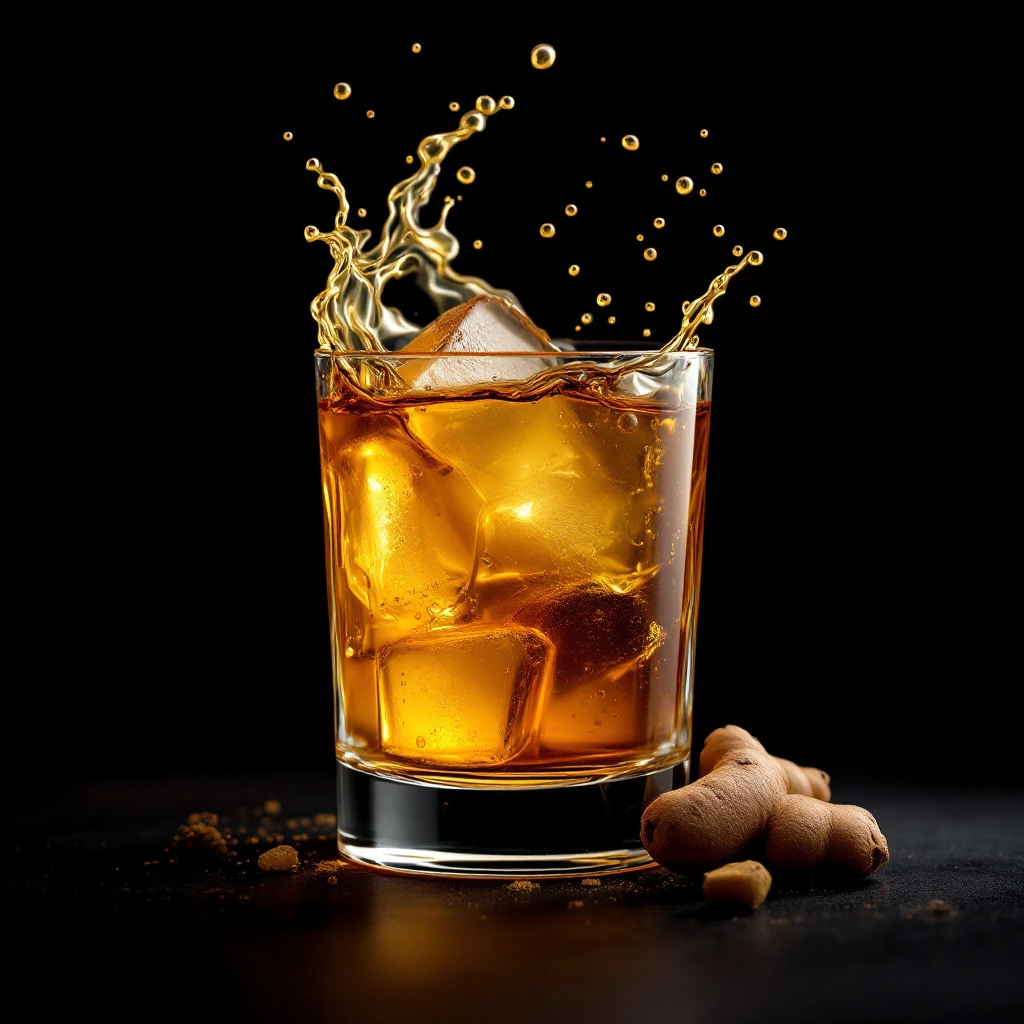
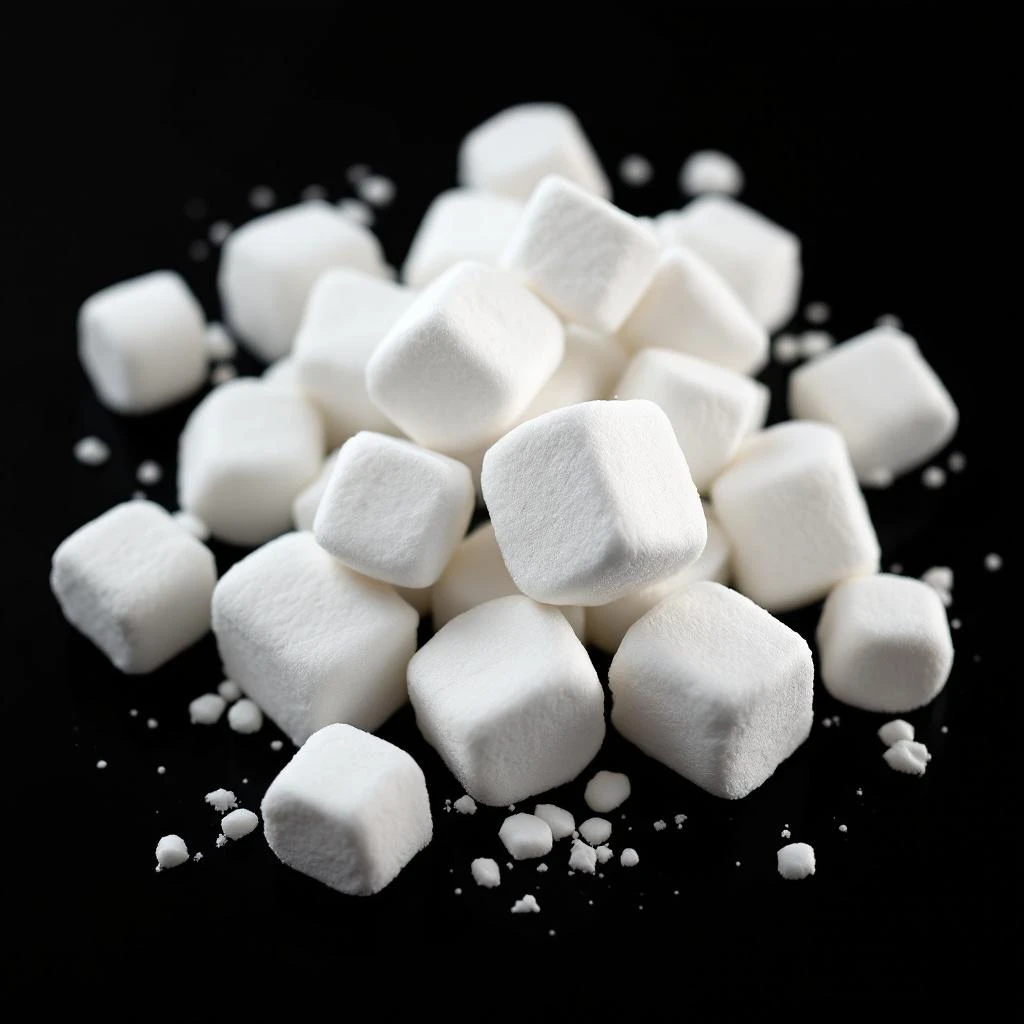
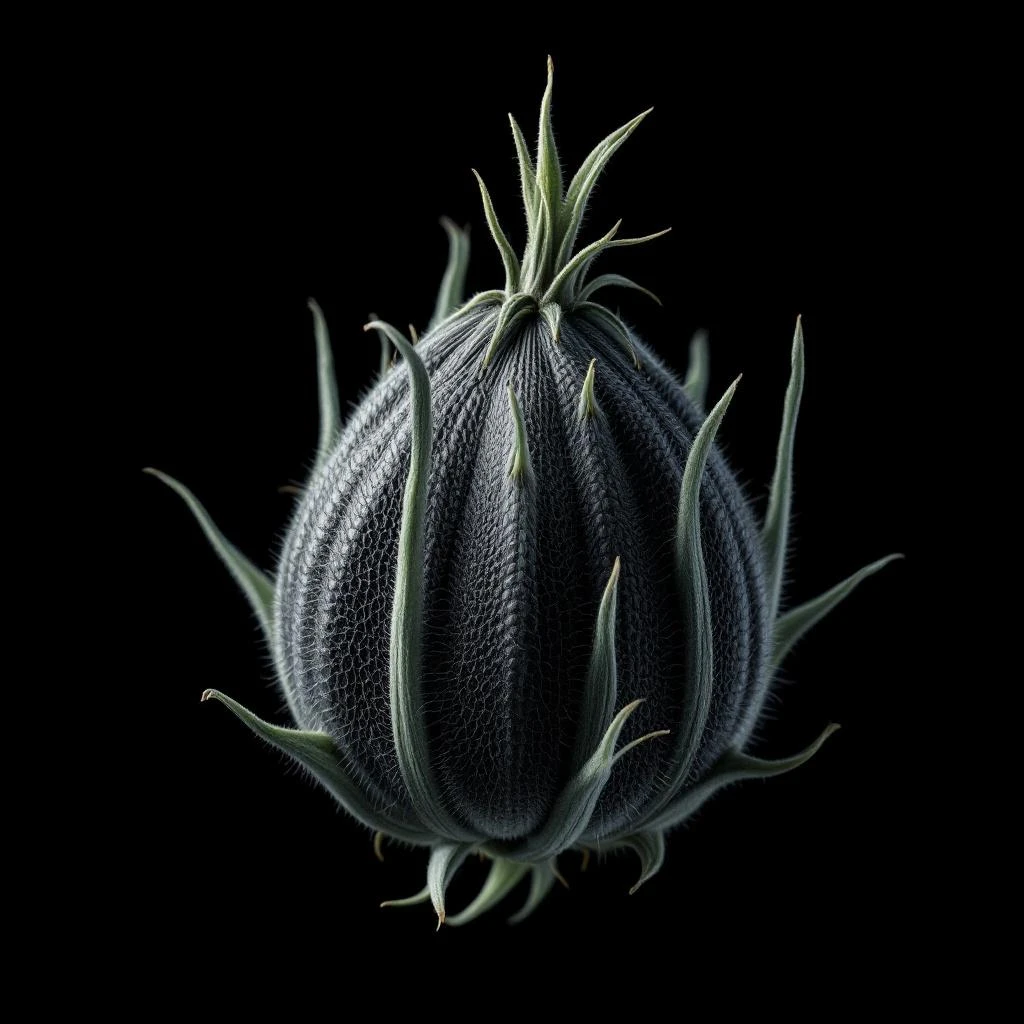
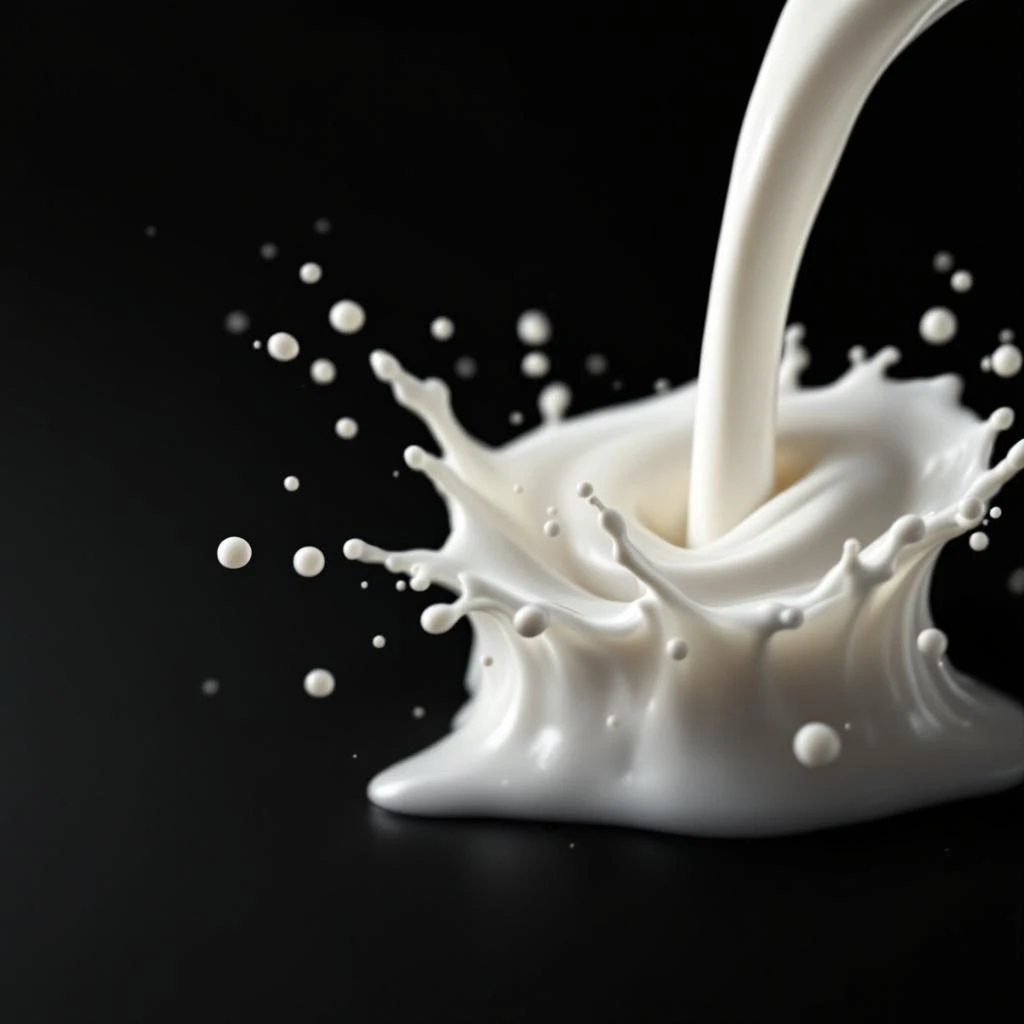
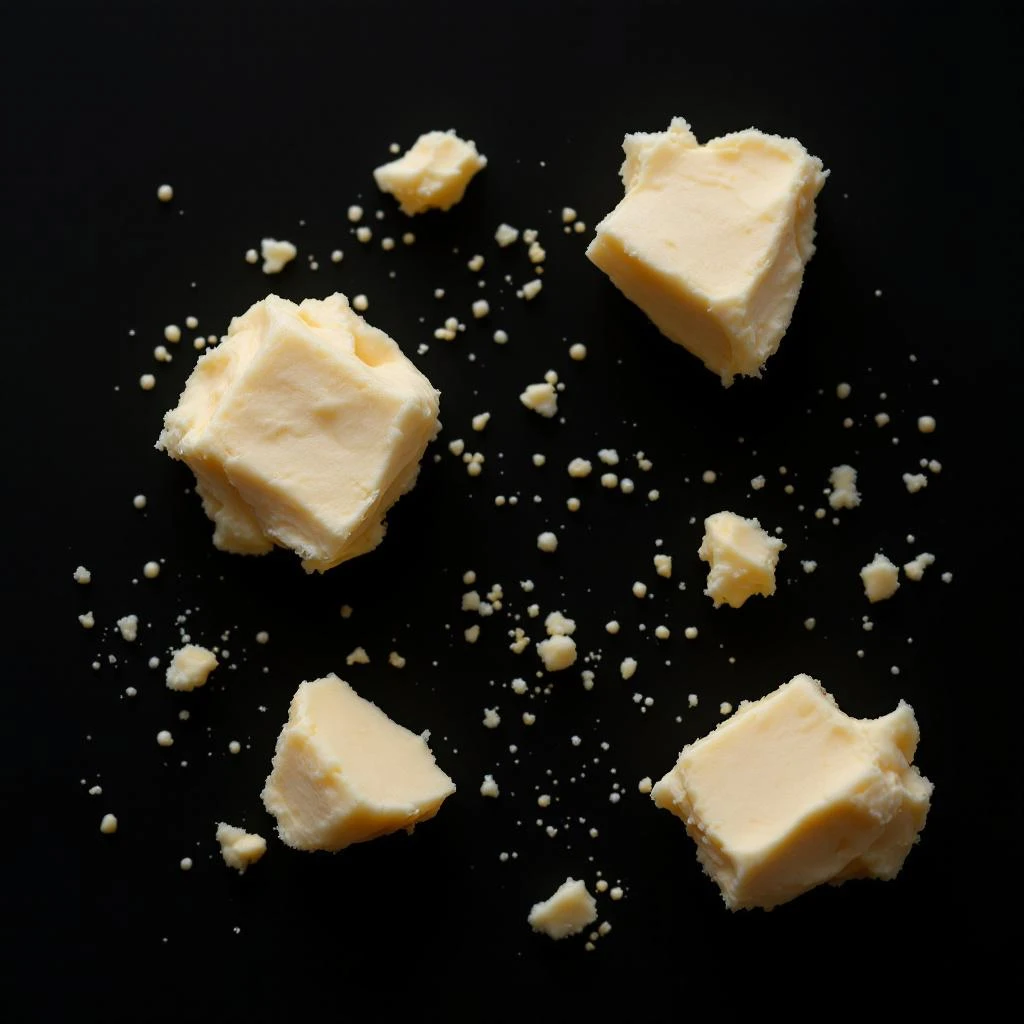
Ginger liqueur is a warm, spiced accord that captures the character of artisanal ginger spirit in perfumery. Unlike simple ginger essential oil, it layers sharp, citrusy top notes with darker, fermented depth for a boozy, resinous warmth that reads as both fresh and indulgent.
Character
How it smells
Warm spice, ancient fire.
Craft perfumers sometimes reconstruct ginger liqueur character by blending multiple ginger extracts with a base of warm solvents, creating a rich boozy quality that ginger oil alone cannot provide.


Origin
India
Ginger is one of the oldest traded spices in human history, originating in the tropical rainforests of Southeast Asia and spread by ancient maritime trade routes to India, the Mediterranean, and beyond. Arab traders introduced ginger to the Roman Empire by the 1st century CE, where it became valued both as a culinary ingredient and a medicinal stimulant.
The medieval Arab distillation tradition, established by physicians around the 12th century, laid groundwork for extracting aromatic compounds from aromatic roots, including ginger. By the 19th century,perfumers began systematically isolating individual aromatic constituents from spices as organic chemistry advanced.
Ginger found its way into Western perfumery as a distinctive warm spice note, valued for its dual character: bright and citral-rich in top notes, warm and resinous in the dry-down. Its use in modern fragrance reflects a long arc from medicinal root to luxury accord.
Wears it best
Fragrances featuring Ginger liqueur
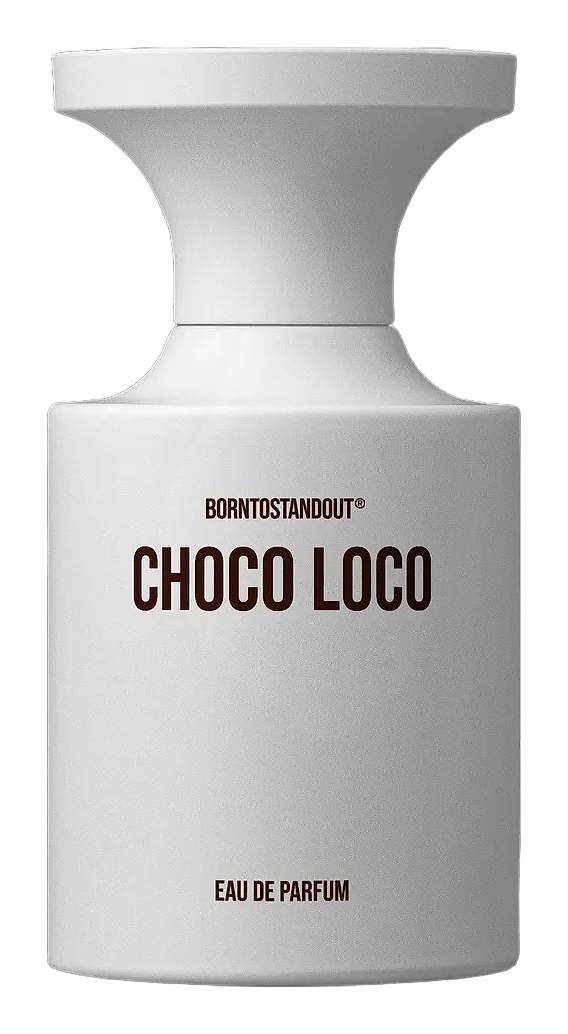
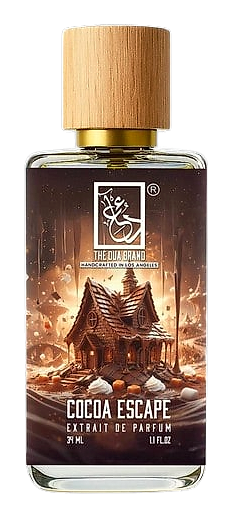
Brands
Brands known for Ginger liqueur
Good to know
Questions, answered
The essentials on Ginger liqueur in perfumery: how it smells, where it comes from, and how it behaves on skin.
What is ginger liqueur as a perfumery ingredient?
Ginger liqueur in perfumery is a warm, boozy accord that blends natural ginger extracts with spirit-like materials to evoke ginger-flavored liqueur. It goes beyond single-note ginger oil by layering bright citral top notes against fermented, deep base characteristics.
Does it contain actual alcohol or liqueur?
No. Perfumery ginger liqueur contains no actual alcohol or food-grade liqueur. It uses aromatic isolates, extracts, and aroma molecules to reconstruct the sensory impression of ginger liqueur within a fragrance formula.
How does it differ from standard ginger essential oil?
Standard ginger essential oil reads as fresh, sharp, and citrusy with dominant citral character. Ginger liqueur accord layers darker, more fermented notes that mimic aged spirit or liqueur, adding warmth and boozy roundness rather than just spice.
Where does the ginger used in perfumery come from?
India is the primary global producer of commercial ginger essential oil, with China and Indonesia as secondary origins. India produces approximately 30-35% of the world's ginger supply, making it the benchmark origin for perfumery-grade rhizomes.
What does ginger liqueur pair well with in a fragrance?
This accords pairs naturally with other warm spices including cardamom, pink pepper, and black pepper. It complements vanilla, rum, bourbon, and sandalwood. Oriental and amber fragrance families are its natural habitat.
Which fragrance families use ginger liqueur most frequently?
Oriental fragrances, warm amber compositions, and spiced woody fragrances commonly feature ginger liqueur. It also appears in fresh citrus chypres and modern fougère as a bridging element between bright and dark notes.
Is ginger liqueur a natural or synthetic material?
It varies by product. Some ginger liqueur bases use naturally derived extracts including CO2超临界 ginger and steam-distilled oil alongside aromatic isolates. Others rely primarily on reconstructed aromatic profiles using nature-identical compounds.
How strong is ginger liqueur in a fragrance formula?
Typical dilution ranges between 0.5% and 5% depending on whether it functions as a bridge note or the primary character. Used conservatively, it adds lift and warmth; used boldly, it becomes the dominant aromatic statement.