Flamingo flower
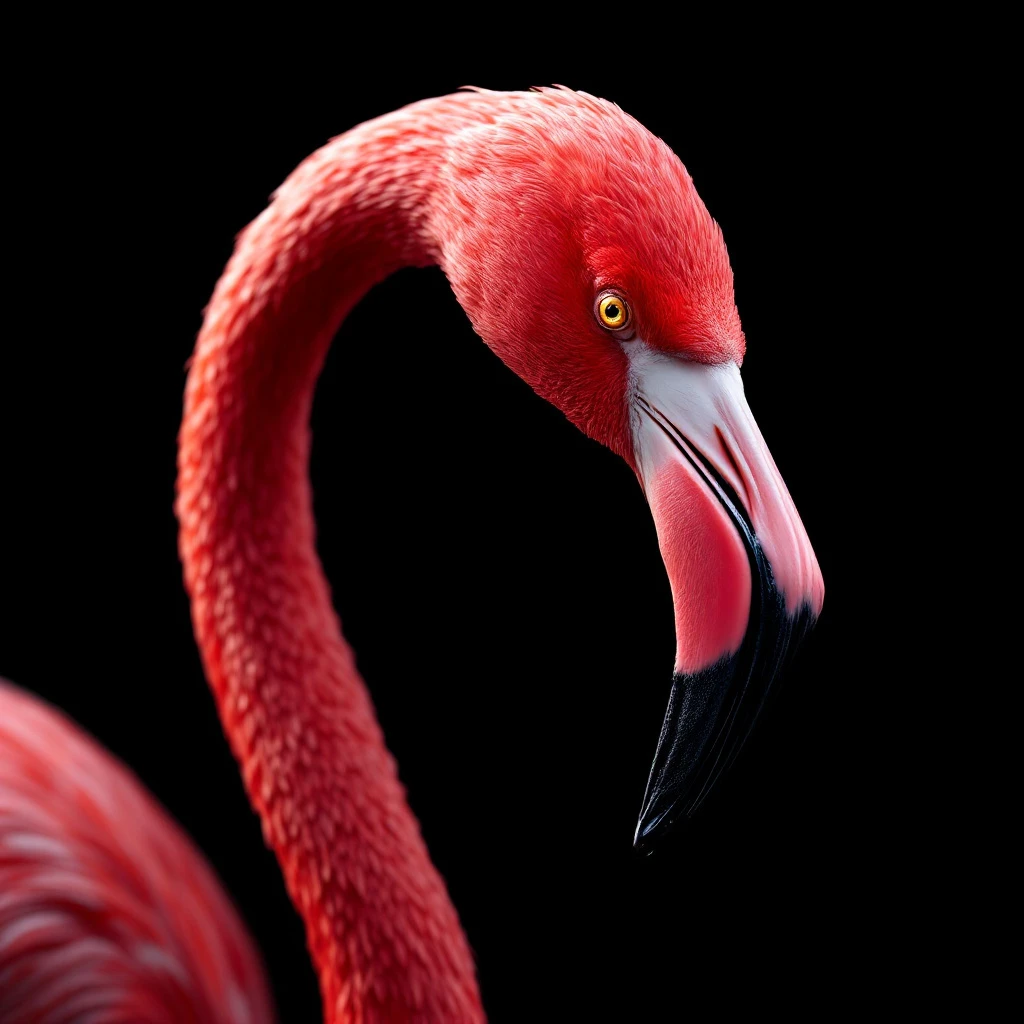
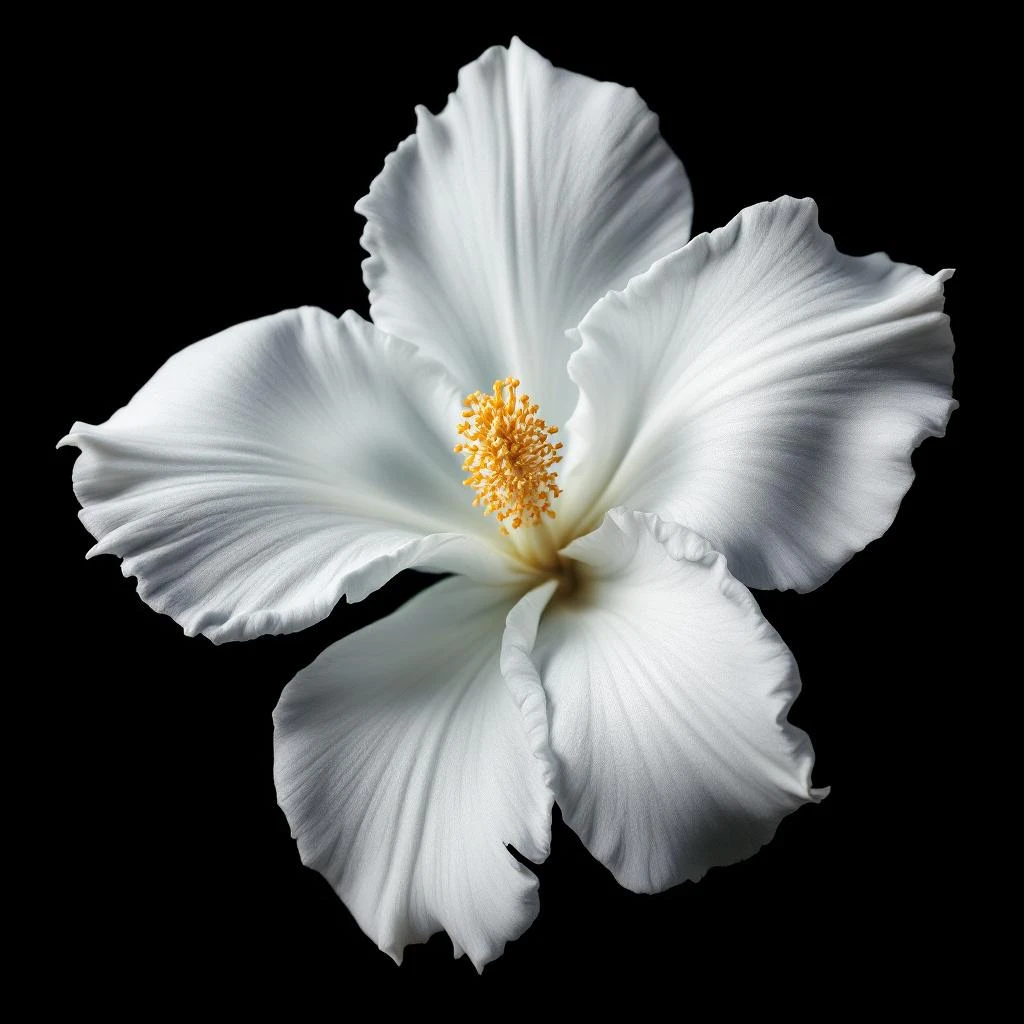
The flamingo flower brings tropical rainforest drama to fragrance through its glossy, waxy presence. Though nearly scentless, this botanical wonder transforms compositions with warm greenhouse atmosphere and exotic visual allure.
Character
How it smells
Tropical elegance without the scent.
Anthurium generates its own heat, maintaining temperatures up to 15°F above its surroundings to attract pollinators in cool mountain forests.

Origin
Colombia
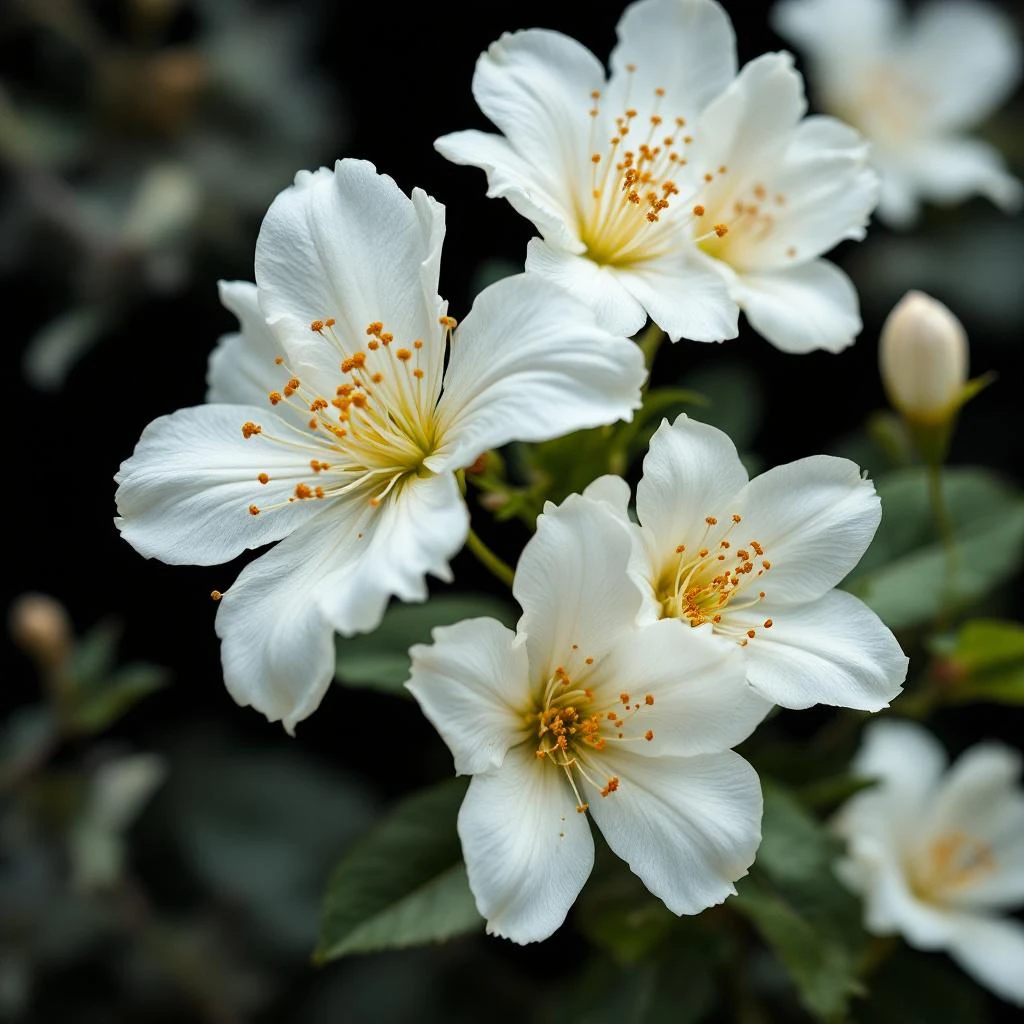
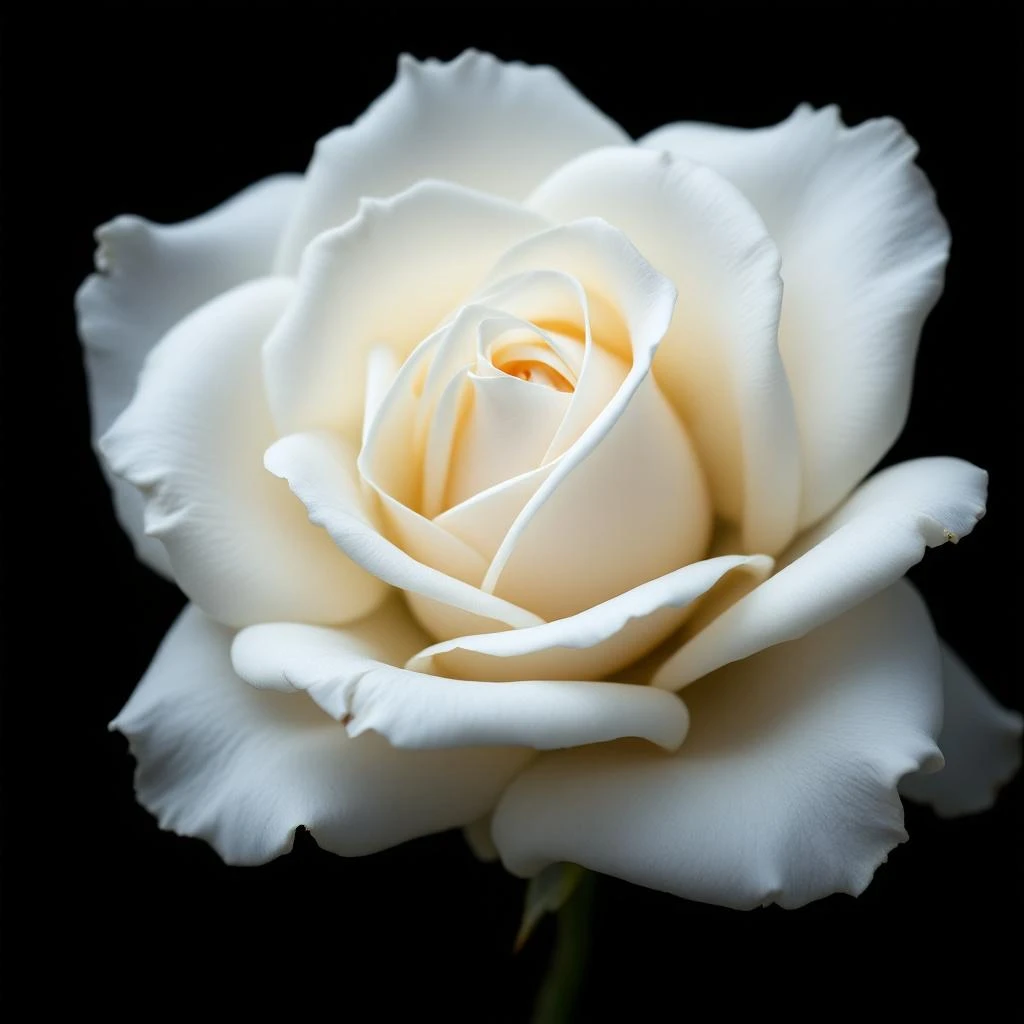
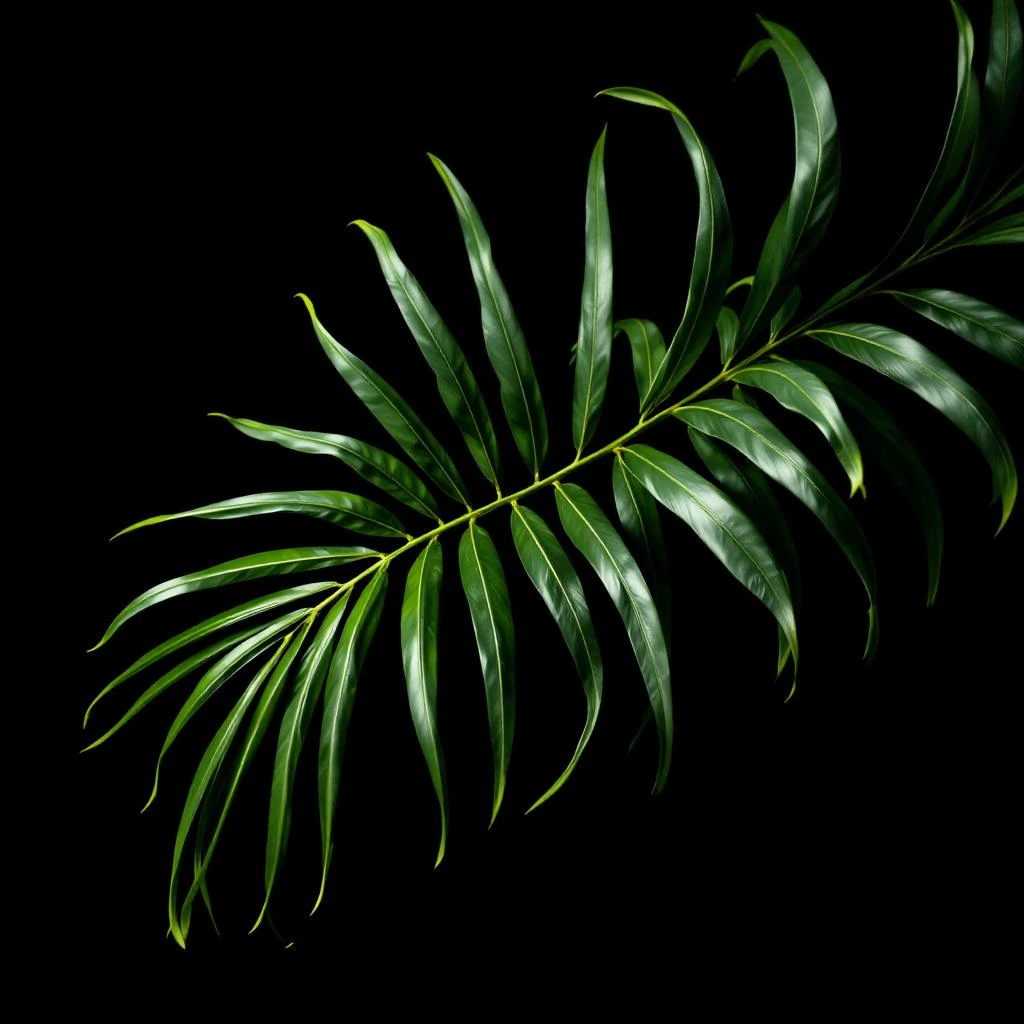
European botanists first documented anthurium species during expeditions through Colombia and Ecuador in the late 1800s. Indigenous peoples of the Andean region had long cultivated these plants, recognizing their ornamental and symbolic value. The species Anthurium andraeanum, which became the floral industry standard, was named after French botanist Edouard Andre, who encountered it during Colombian fieldwork.
Commercial horticulture seized upon the plant in the early 20th century, breeding hundreds of cultivars with increasingly vivid spathes. Today, Thailand, Netherlands, and Costa Rica lead commercial production, though the plant's wild heritage remains rooted in South American tropical forests.
Wears it best
Fragrances featuring Flamingo flower
Brands
Brands known for Flamingo flower
Good to know
Questions, answered
The essentials on Flamingo flower in perfumery: how it smells, where it comes from, and how it behaves on skin.
Does flamingo flower have a natural scent?
Flamingo flower produces minimal detectable fragrance. Perfumers work with synthetic recreations or extraction byproducts to capture its characteristic tropical, waxy quality rather than a traditional floral scent.
How do perfumers extract anthurium for fragrance?
Volatile solvent extraction captures trace aromatic compounds from the spathe. Most commercial flamingo flower fragrance materials come from synthetic reconstruction, combining green, tropical, and waxy aroma chemicals to evoke the living plant.
What does flamingo flower contribute to perfume?
The note adds humid tropical atmosphere and waxy, dewy texture. It reads as lush and green rather than sweet, lending compositions a fresh, greenhouse-like quality reminiscent of rainforest undergrowth.
Is flamingo flower used in high-end perfumery?
Specialty and niche fragrance houses more commonly feature flamingo flower. Its near-scentless nature makes it challenging for mass-market formulations, but it appeals to perfumers seeking unique tropical effects.
What family of fragrances uses flamingo flower?
Tropical, green, and ozonic fragrance families incorporate the note most frequently. It pairs naturally with ylang, frangipani, and other lush tropical florals to amplify humidity and depth.
Why does anthurium generate heat?
The flower maintains internal temperatures 15°F above ambient conditions, primarily to attract pollinating beetles in cool Andean mountain environments. This thermogenic property is rare among flowering plants.
When was flamingo flower introduced to horticulture?
European botanists first documented anthurium during late 19th-century expeditions. Commercialization accelerated in the early 20th century, transforming wild Colombian and Ecuadorian specimens into globally cultivated ornamentals.
Can flamingo flower stand alone as a fragrance note?
The near-zero olfactory footprint means perfumers layer it with complementary materials. Blending with green notes, water accord, or other tropical florals creates the characteristic humid, dewy effect.