Fir tree wood
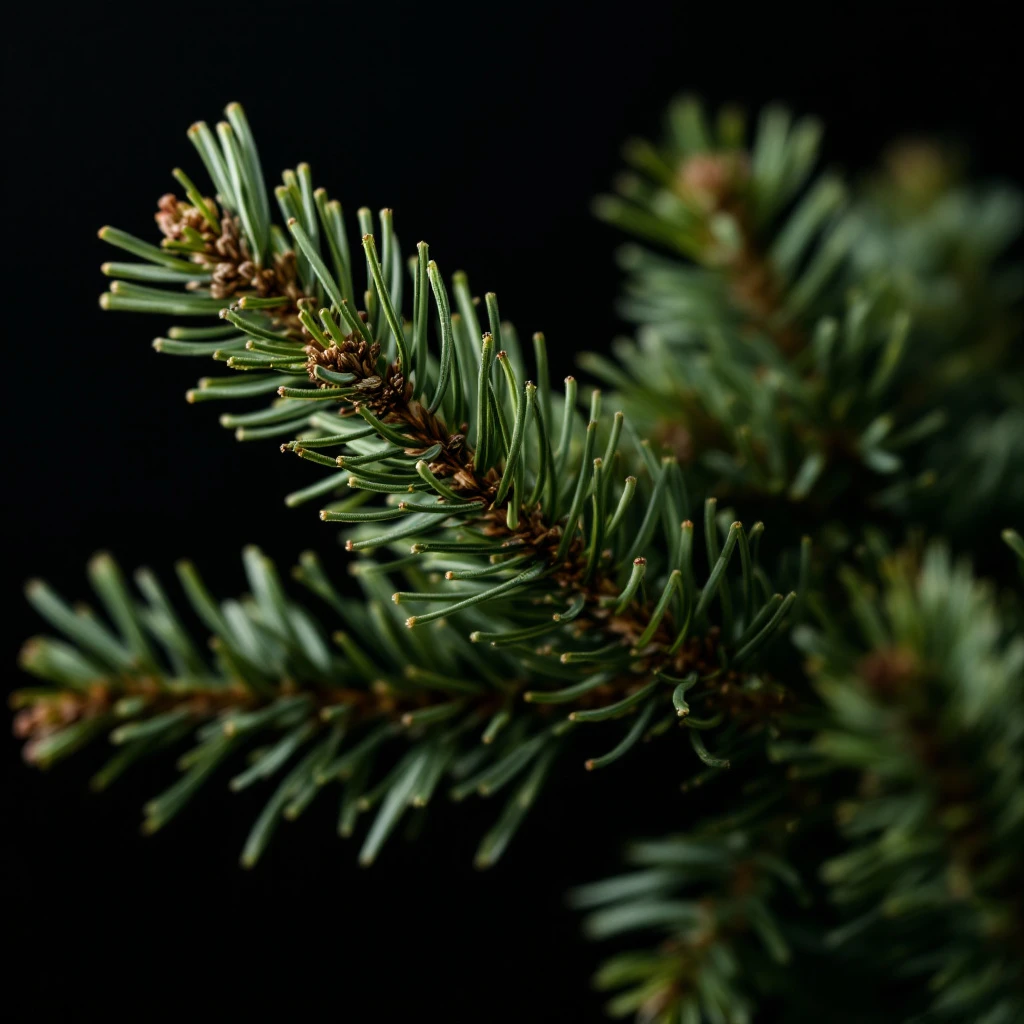
The crisp, resinous aroma of fir wood captures the austere beauty of snow-laden forests. Its sharp evergreen character, balanced by warm balsamic depths, grounds fragrances in something primal and unmistakably alive.
Character
How it smells
The forest in a bottle.
Ancient Egyptians incorporated fir resin into sacred incense formulas over 3,000 years ago.






Origin
Canada
Fir has anchored fragrances for at least four thousand years. Ancient Indian texts, some dating back to 2000 BCE, document the tree's use in incense and medicine. In Mesopotamia and Egypt, practitioners burned conifer resins in sacred rituals and employed them in embalming preparations. Romans used fir resin in medicines and personal fragrances.
Medieval European apothecaries stocked fir resin alongside other botanical materials. When modern perfumery crystallized in France between 1889 and 1921, pine and fir resins became particularly valued. French fragrance houses discovered that these materials extended fragrance longevity and added aromatic complexity. The vast forests of North America supplied much of this demand, while indigenous communities there had long understood the tree's value.
The twentieth century brought synthetic aromatics, yet natural fir wood retained its place in fine fragrance. Its austere, evergreen character suits masculine compositions and chypre structures particularly well. Today, fir appears in numerous classic and contemporary fragrances, valued for the raw, verdant quality it brings to a composition. It remains a material with substantial historical weight, even if it occupies a supporting rather than starring role compared to sandalwood or oud.
Wears it best
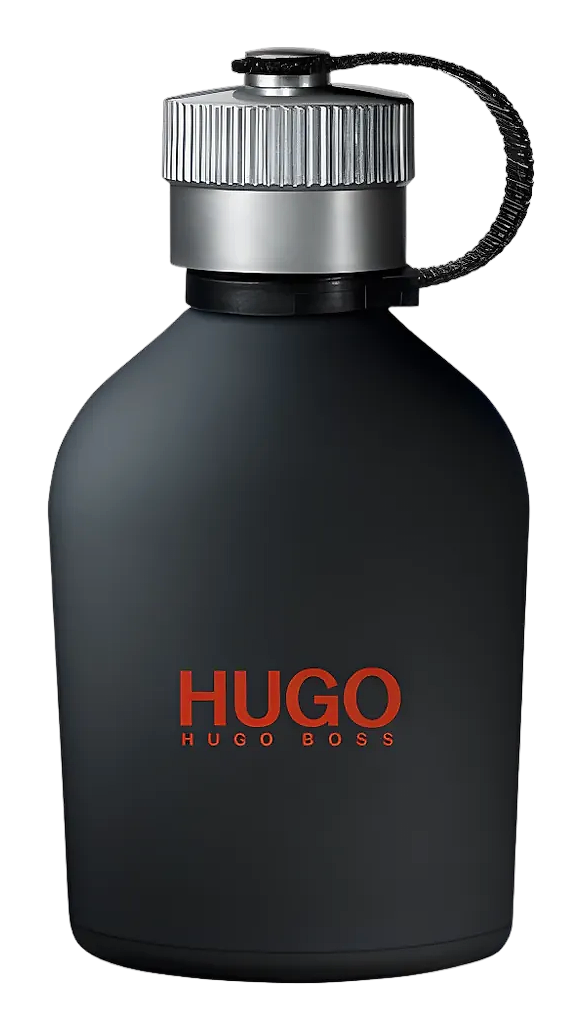
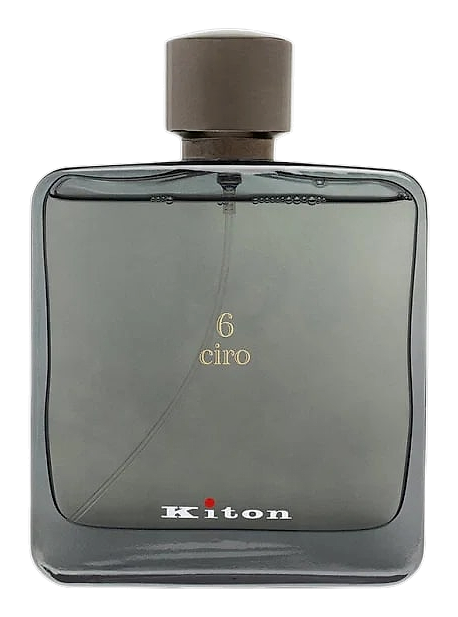
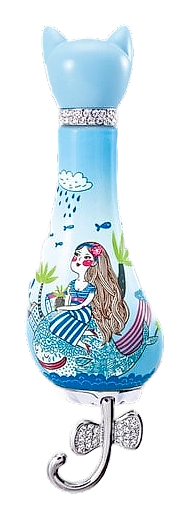
Fragrances featuring Fir tree wood
Brands
Brands known for Fir tree wood
Good to know
Questions, answered
The essentials on Fir tree wood in perfumery: how it smells, where it comes from, and how it behaves on skin.
What does fir wood contribute to a fragrance composition?
Fir wood brings a fresh, evergreen character with resinous undertones. Its scent combines sharp, coniferous top notes with warm, balsamic depth. This creates an austere, verdant quality that grounds compositions in a forest-like atmosphere, distinct from sweeter woods like sandalwood.
How does fir essential oil differ from fir absolute?
Fir essential oil comes from steam distillation of fir needles and twigs, producing a fresh, crisp aroma. Fir absolute uses solvent extraction to pull a broader range of aromatic compounds, yielding a richer, more resinous scent. Perfumers select between them based on desired effect.
Does the geographic origin of fir affect its scent profile?
Yes. The soil composition, altitude, and climate where fir trees grow influence the balance of terpenes and esters in the extracted oil. Canadian fir differs subtly from Siberian or European varieties, each offering slight variations in fresh, balsamic character.
What role did fir play in the origins of modern perfumery?
Pine and fir resins became particularly valued when the French fragrance industry developed between 1889 and 1921. Perfumers prized them for their ability to extend fragrance longevity and add aromatic complexity, establishing conifer materials as foundational to fine perfumery.
How do perfumers source fir wood sustainably?
Responsible producers obtain fir from certified forests with replanting programs. Steam distillation uses the entire tree—needles, branches, and bark—making efficient use of harvested material. Resin tapping, which collects natural oozing resin without cutting the tree, offers another sustainable path when managed carefully.
What fragrances feature fir wood as a prominent note?
Fir wood appears across masculine fragrances and forest-inspired compositions. Its sharp evergreen character suits autumn and winter fragrances. Many chypre and aromatic fougere structures incorporate fir for its grounding, resinous quality that balances brighter top notes.
How should fir wood materials be stored?
Store fir essential oil in dark glass bottles away from heat and light to preserve its aromatic integrity. The oil oxidizes over time, so keep containers tightly sealed. Proper storage maintains its fresh, balsamic character for two to three years.
Where does most commercial fir for perfumery originate?
The Canadian boreal forests and European alpine regions supply most commercial fir. Canada represents one of the largest sustainable sources, with vast forests supporting steady, responsibly managed harvests. Siberian and Himalayan varieties also appear in specialty perfumery.