Finnish birch tar
Finnish birch tar channels centuries of Nordic craft, crafted by slow destructive distillation of birch bark — the same primitive process that once made Russian Leather last a lifetime. Rectified Finnish birch tar sits smooth in blends, leather without the harshness.
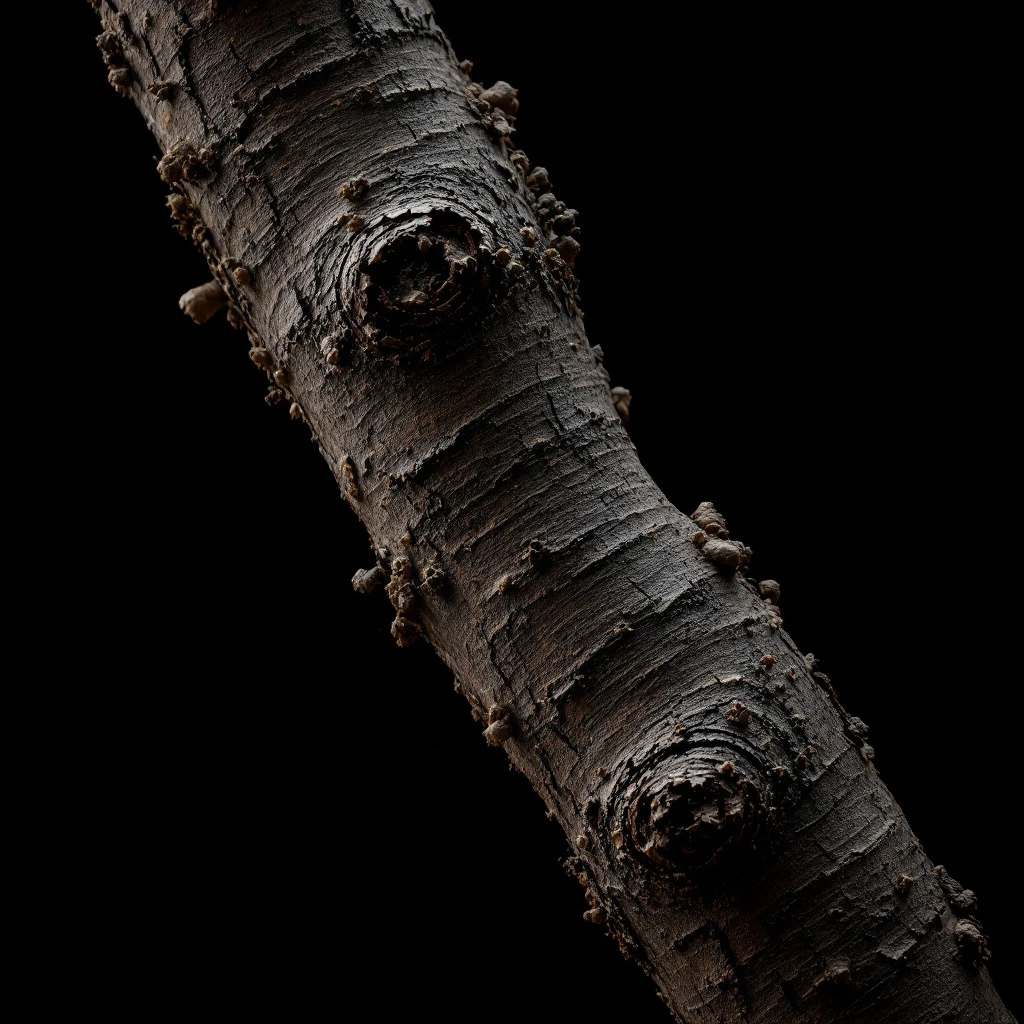
Character
How it smells
Smoky leather from the northern forest.
The same birch bark tar made Russian Leather viable for wet, muddy climates in the 1700s.
Pairs beautifully with
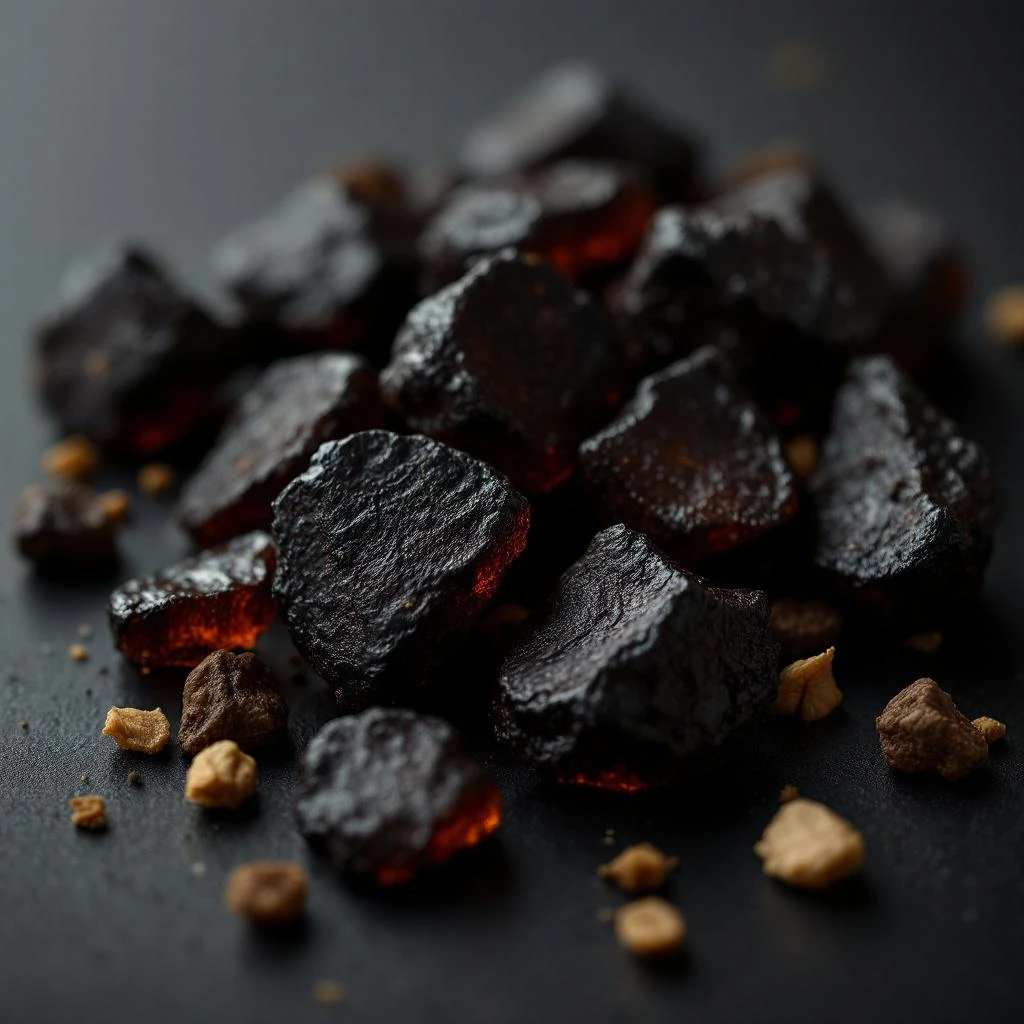


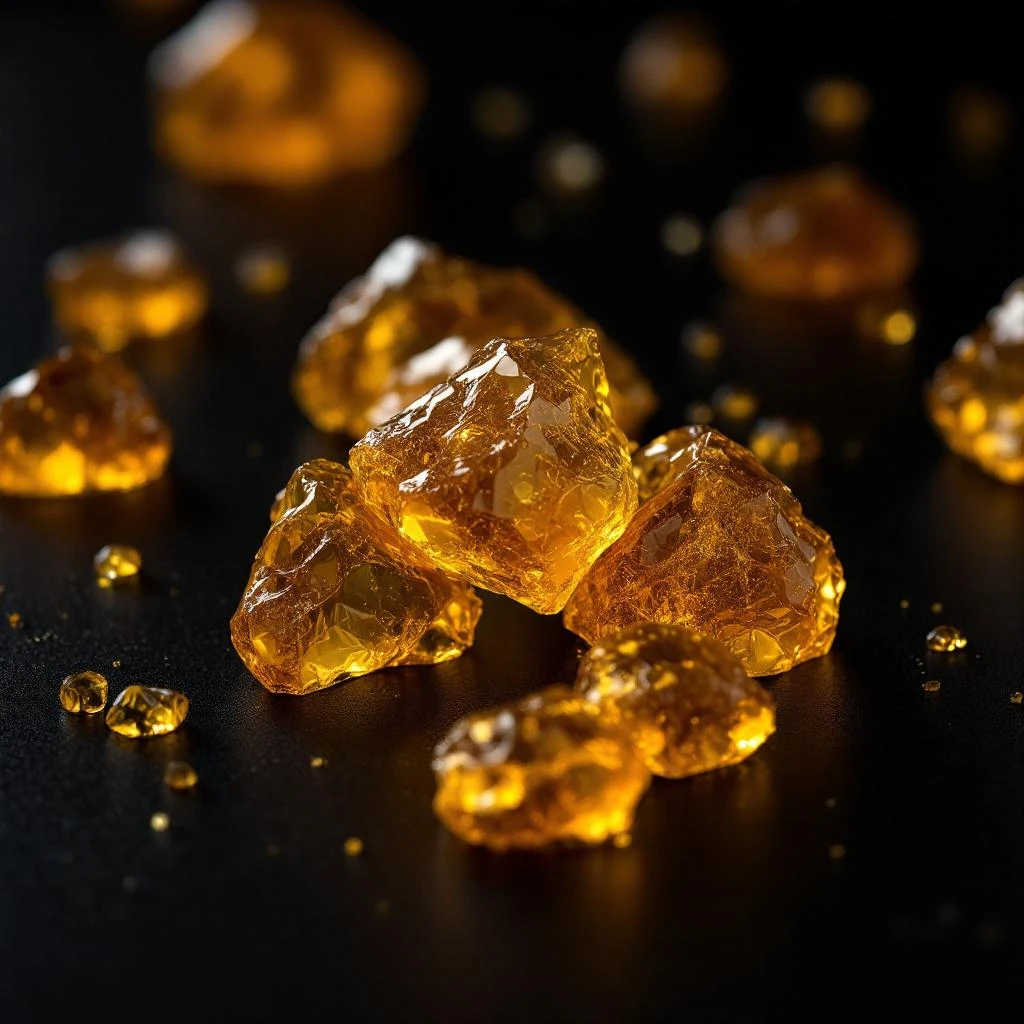

Origin
Finland
Birch tar ranks among the oldest functional materials humans ever produced. Archaeological finds in Swabia and Finland place its use at least 8,000 years back, applied to everything from waterproofing hides to sealing vessels.
In Russia, Finland and Scandinavia, tar production became a winter trade — birch bark was burned in sealed earthen pits or kilns, with workers drawing off the dark condensate drop by drop. The result transformed raw animal leather into something far more durable, moisture-resistant, and wearable.
Russian Leather — a heavy, protective hide treated with birch tar oil — became a staple from the 18th century onward, traded across Europe andCentral Asia. The ingredient persists in perfumery today not as a curiosity but as a genuine cornerstone, lending fragrance its most literal leather accord.
Wears it best
Fragrances featuring Finnish birch tar
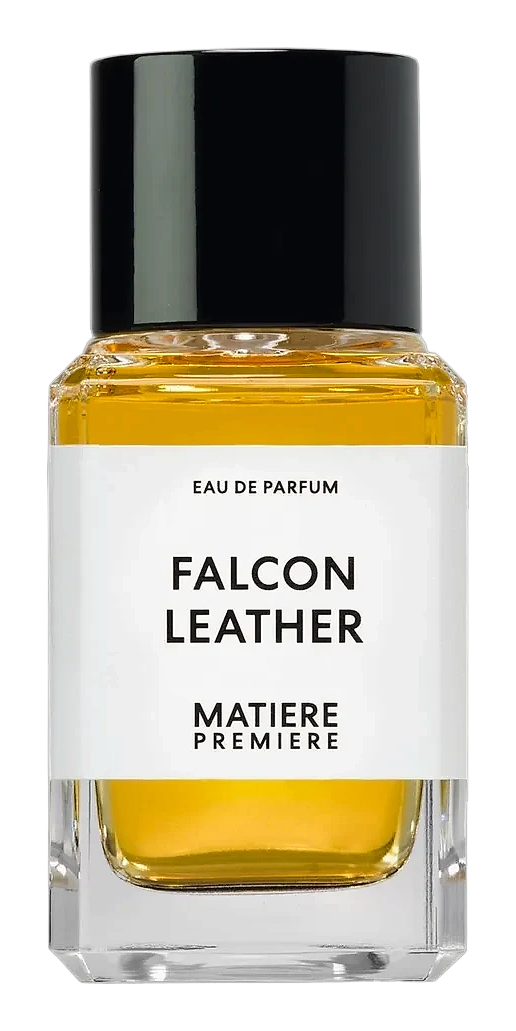
Brands
Brands known for Finnish birch tar
Good to know
Questions, answered
The essentials on Finnish birch tar in perfumery: how it smells, where it comes from, and how it behaves on skin.
Is Finnish birch tar safe to use in perfume?
Rectified birch tar oil meets IFRA standards and is safe for use in fine fragrance when properly processed. Crude birch tar contains betulinol, which IFRA restricts in leave-on applications. Always verify the ingredient has been rectified before use.
What does Finnish birch tar smell like?
Finnish birch tar opens with a dry, medicinal smoke, then settles into a warm leather accord laced with faint dryness. Rectified Finnish grades are notably cleaner than crude versions, applying leather character without animalic harshness.
How much birch tar is typically used in a fragrance formula?
Birch tar functions as a base-note accent, typically used at 0.1% to 2% in fragrance concentrates. Even small amounts deliver a pronounced smoky leather effect. High concentrations risk overpowering a blend.
Is birch tar a natural or synthetic ingredient?
Birch tar is fully natural, extracted from birch bark through destructive distillation. Synthetic birch tar aroma chemicals exist, but natural birch tar — particularly Finnish rectified oil — retains the complexity that synthetic alternatives cannot fully replicate.
What compounds cause the safety concern with crude birch tar?
Crude birch tar contains betulinol, a compound linked to potential skin sensitization. IFRA restricts crude birch tar in leave-on products. Rectification redistills the crude oil, removing betulinol and bringing the material into compliance.
What is the connection between Finnish birch tar and Russian Leather?
Birch tar oil traditionally treated heavy cowhide to create Russian Leather — a durable, water-resistant material that became a staple across 18th and 19th century Europe. Finnish tar production fed much of this trade.
Can Finnish birch tar be combined with other smoky ingredients?
Finnish birch tar blends well with other smoke materials including cade, guaiacol, and birch CO2. It pairs especially well with conifer resins like fir absolute, where smoke and forest notes amplify each other effectively.
Does Finnish birch tar go bad or degrade over time?
Birch tar oil maintains its smoky leather character for years when stored in a tightly sealed container away from heat and light. Its potency is stable over time, though scent intensity may soften slightly in diluted perfumery applications.