Cherry blossom nectar
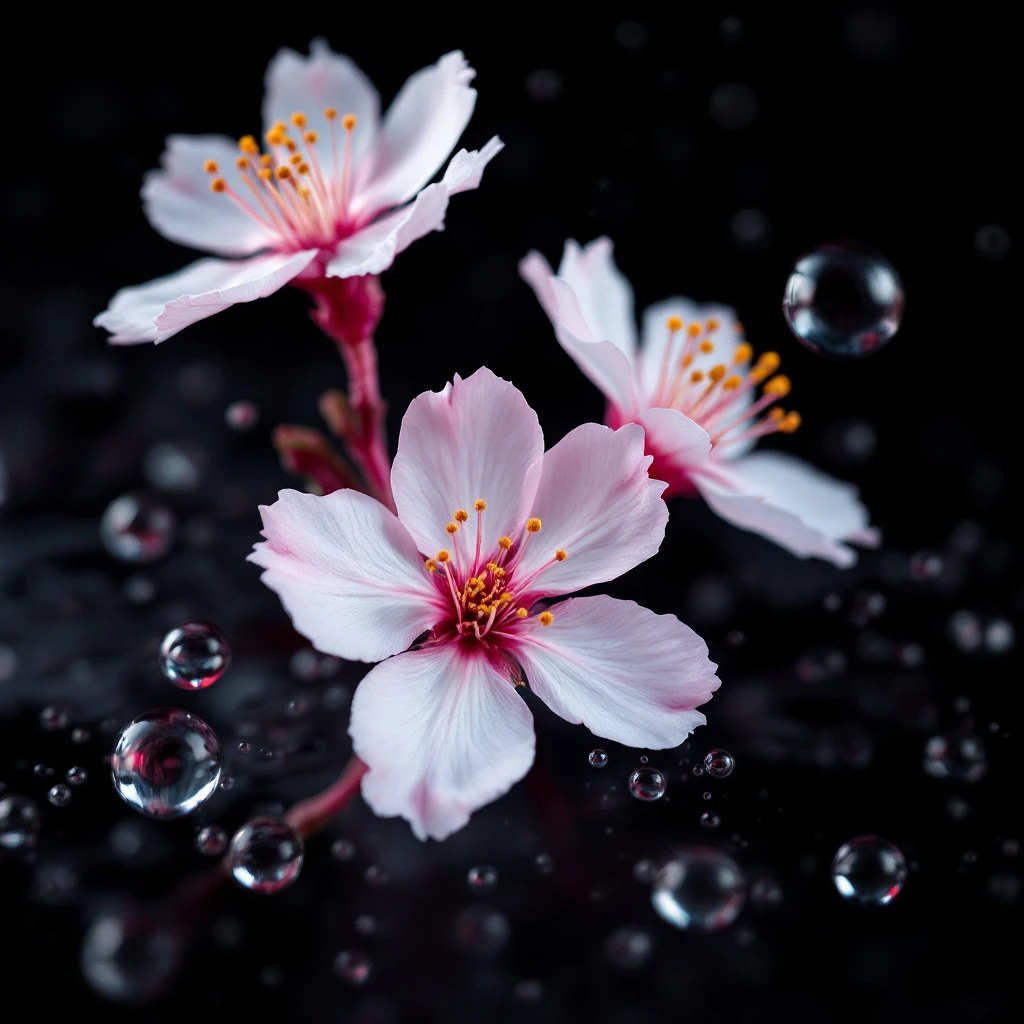
Cherry blossom nectar captures spring's most fleeting moment: delicate petals, sun-warmed air, and the quiet hush before they fall. It smells like anticipation, not possession. This is what perfume artists reach for when they want to bottle something that exists for only two weeks every year.
Character
How it smells
Spring captured between bloom and fall.
Cherry blossoms lose most of their scent within 24 hours of being picked, making true extraction a race against time itself.


Origin
Japan
Cherry blossoms have anchored Japanese aesthetic life for over a thousand years. Aristocrats during the Heian period composed poetry dedicated to their impermanence, calling the phenomenon mono no aware: the bittersweet awareness that beautiful things do not last. Hanami, the tradition of gathering beneath blooming trees, appears in records from the Nara period in 710 CE.
China developed its own relationship with Prunus species through traditional medicine and ornament. Neither culture, however, traditionally extracted cherry blossoms for perfume. Japanese perfumers began working with the note in the twentieth century, pursuing a sensory translation of something the culture had always valued poetically.
Early attempts fell short; the blossom's scent proved stubborn against conventional extraction. Modern aroma chemistry finally made cherry blossom a reliable perfumery ingredient, allowing the flower to carry its centuries of meaning into olfactory form. What began as a metaphor for life's brevity now scents millions of wrists annually.
Wears it best
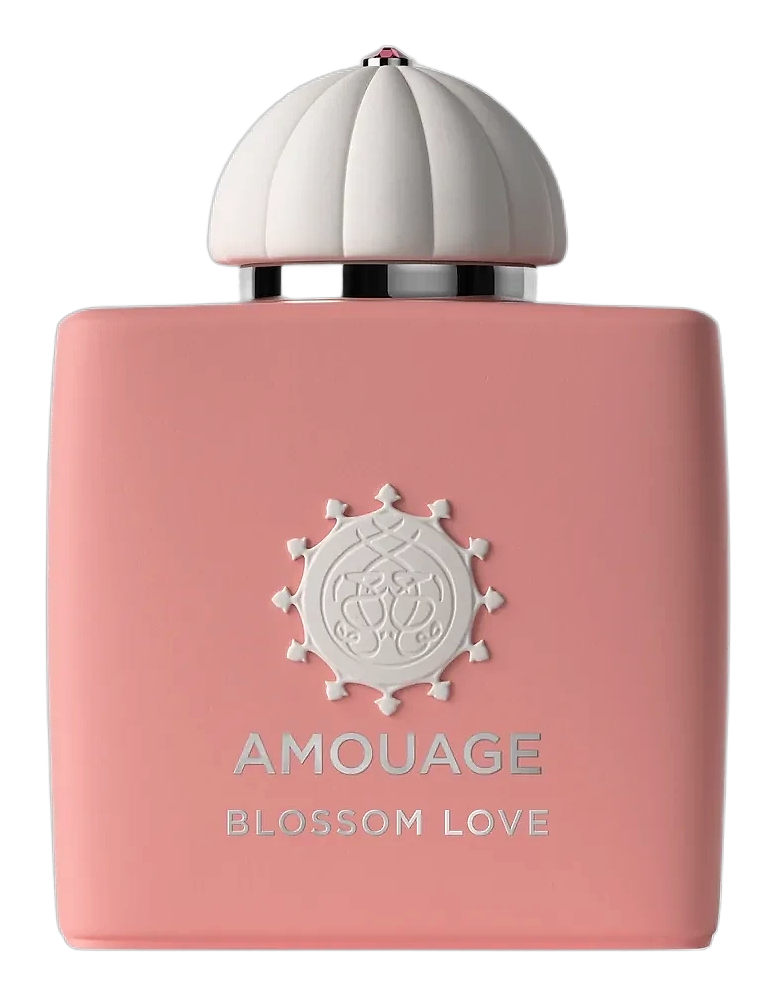
Fragrances featuring Cherry blossom nectar
Brands
Brands known for Cherry blossom nectar
Good to know
Questions, answered
The essentials on Cherry blossom nectar in perfumery: how it smells, where it comes from, and how it behaves on skin.
What is cherry blossom nectar in perfumery?
Cherry blossom nectar is a fragrance ingredient that recreates the soft, powdery-sweet scent of Prunus genus blossoms. Perfumers build it from actual blossom extracts blended with lab-created aromatic compounds that mirror the flower's fleeting natural scent profile.
Does natural cherry blossom nectar exist?
Yes, but in tiny quantities. Natural absolute exists from solvent extraction of fresh petals, but most commercial cherry blossom ingredients combine a small amount of natural material with synthesized aromatics to achieve consistent, recognizable results at scale.
What does cherry blossom smell like?
Cherry blossom reads as soft, sweet, and unmistakably powdery with subtle almond and gentle green undertones. It carries a watery freshness, almost like the scent of air just before rain arrives in early spring.
How do perfumers extract cherry blossom scent?
Enfleurage and cold solvent extraction work best for fresh petals. Steam distillation damages the heat-sensitive compounds. Modern perfumers also use headspace technology, which captures the exact molecules released by living blossoms so chemists can recreate them artificially.
Why is cherry blossom scent considered challenging to produce?
Cherry blossoms contain very low concentrations of fragrant compounds, and the scent degrades within 24 hours of picking. This forces extraction to happen immediately after harvest, driving up cost and limiting yield significantly compared to other florals.
How long does the cherry blossom note last on skin?
Cherry blossom functions as a heart-to top-note ingredient in most fragrances. On skin, it typically lingers for two to four hours depending on the formula, which aligns with the blossom's own brief natural window of peak scent.
What notes pair well with cherry blossom?
Cherry blossom gains dimension when paired with watery notes like marine accords, light musks for skin-like softness, and green accents such as lily of the valley or peony. It also complements almond-derived materials, which share its gentle bitter-sweet character.
Which perfume houses work most prominently with cherry blossom?
Japanese houses including Shiseido and Daihatsu pioneered commercial cherry blossom fragrance. Western brands like Dior, Marc Jacobs, and Jo Malone London now feature the note prominently in spring and summer lines, often highlighting it as a seasonal hero ingredient.