Candied Lemon Peel
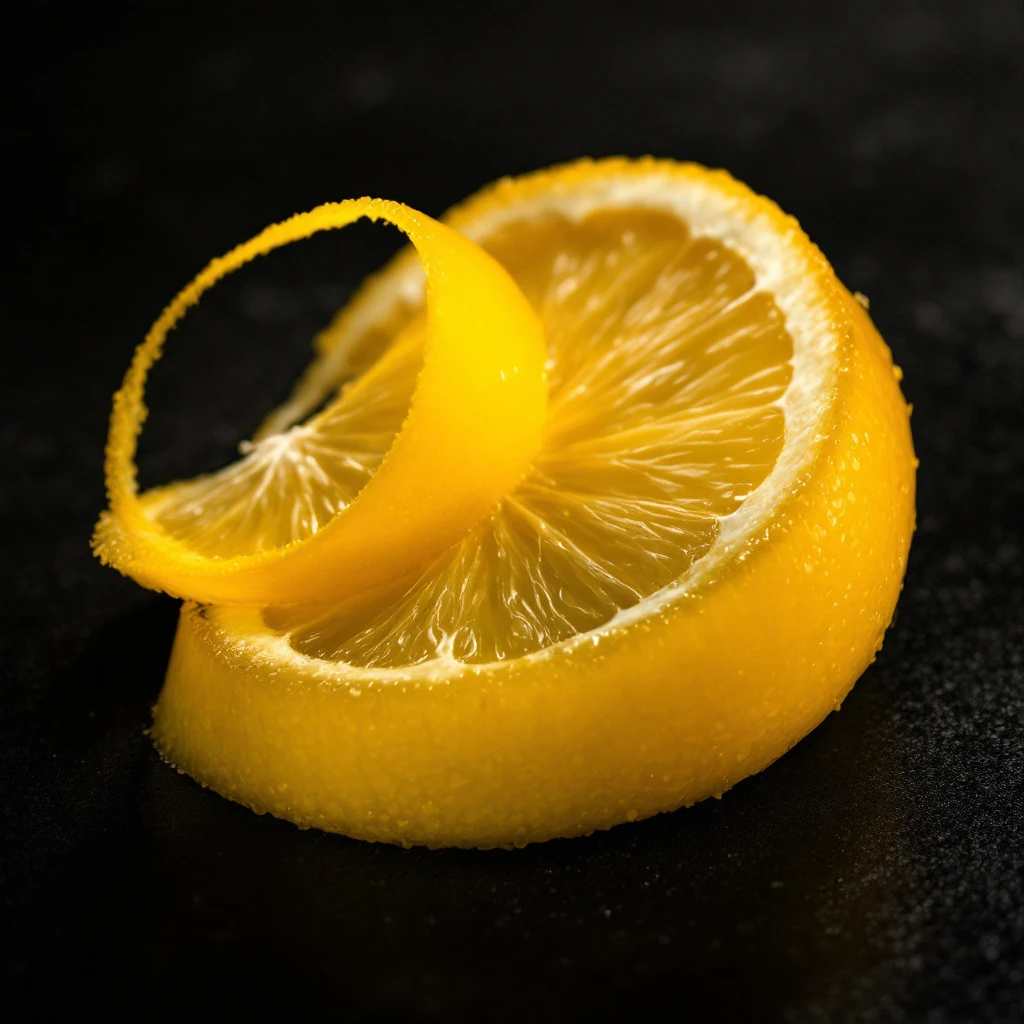
A warm, golden interpretation of lemon that captures the fruit at its most indulgent—bright citrus wrapped in honeyed sweetness, like sunshine crystallized into scent.
Character
How it smells
Sun-ripened citrus, candied to perfection.
The candying process transforms sharp citrus into a softer, more complex note that lingers longer than fresh lemon, giving fragrances a sustained warmth.




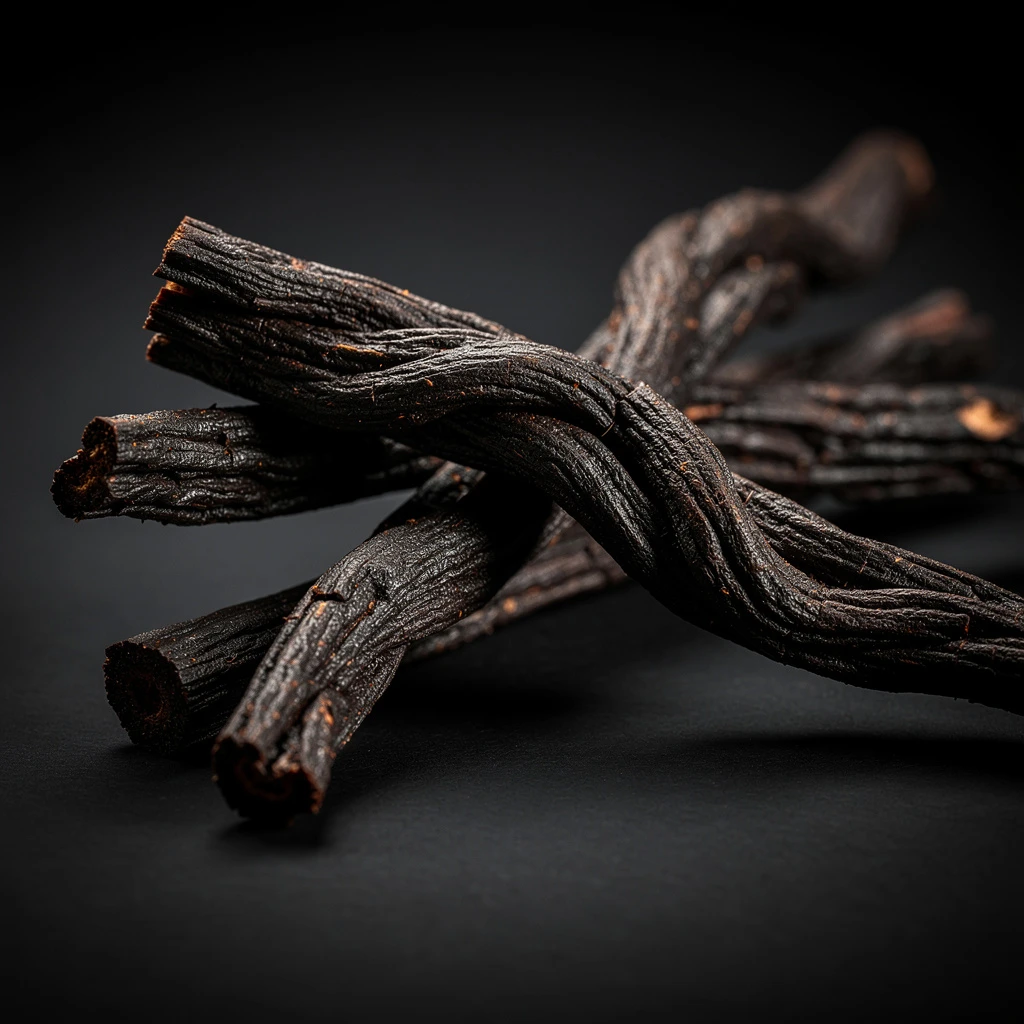
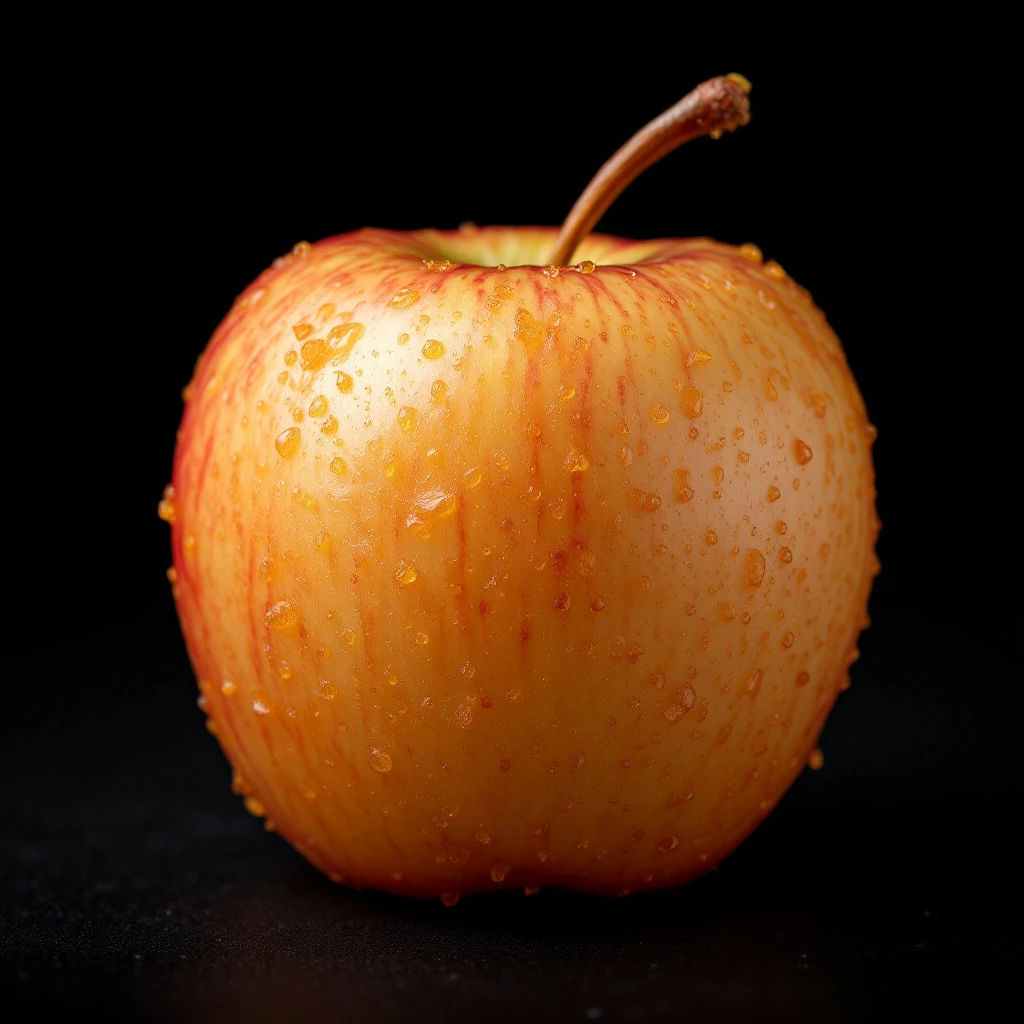

Origin
India
Lemon cultivation traces back over 3,000 years to the Kashmir region, where ancient traders prized the fruit for both culinary and aromatic properties. Citrus limon spread westward through Persian trade routes, reaching the Mediterranean by the 12th century.
Medieval perfumers discovered that slow-cooking lemon peel in honey intensified its fragrance, creating what early Arabic practitioners called tib al-qirmi—the golden medicine. This candying technique influenced perfumery across the Ottoman Empire and into European court traditions.
The confectionery art of candying citrus peel became established in Renaissance Italy, where perfumers began incorporating treated peel into fragrance compositions for its unique ability to bridge fresh and warm notes. Throughout history, candied lemon peel represented luxury and refinement, appearing in both perfumed pomanders and culinary delicacies of aristocratic households.
Wears it best
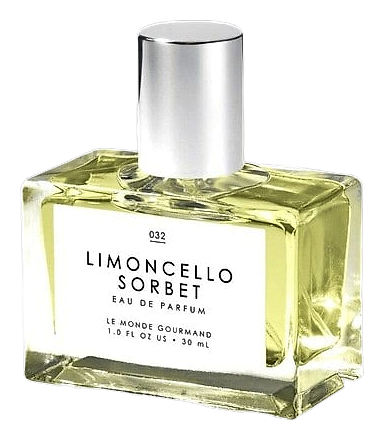
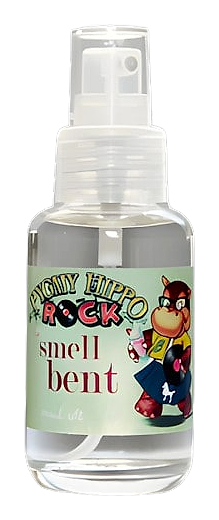
Fragrances featuring Candied Lemon Peel



Brands
Brands known for Candied Lemon Peel
Good to know
Questions, answered
The essentials on Candied Lemon Peel in perfumery: how it smells, where it comes from, and how it behaves on skin.
How does candied lemon peel differ from regular lemon essential oil?
Candied lemon peel has a warmer, sweeter character compared to fresh lemon oil. The candying process reduces sharp top-note volatility while adding honeyed, almost caramel-like facets. Regular lemon oil reads as bright and zesty; candied peel contributes persistent warmth that works in heart and base compositions.
What type of fragrances feature candied lemon peel?
This note appears most often in oriental fragrances, warm florals, and gourmand compositions. It pairs naturally with vanilla, amber, tonka bean, and white flowers. You will also find it in citrus chypres where it adds depth to the bright opening.
Is candied lemon peel a natural or synthetic ingredient?
Candied lemon peel is a natural material. Perfumers derive it from actual Citrus limon peel using processes like cold pressing, maceration, or enfleurage. No synthetic replicates capture the full complexity of the sugar-caramelized character that develops during candying.
How long has candied lemon peel been used in perfumery?
The technique dates to medieval Arabian perfumery, where practitioners cooked citrus peel in honey to intensify fragrance. By the Renaissance, Italian craftsmen had formalized candying methods. The practice spread across Europe alongside the expansion of citrus cultivation in the 16th and 17th centuries.
What gives candied lemon peel its characteristic sweetness?
The sugar content transforms the peel's aromatic profile during processing. Sucrose molecules penetrate the peel's cell structure, extracting and stabilizing volatile citrus compounds while introducing sweet undertones. This combination produces the signature warm-citrus sweetness that distinguishes this material.
Can candied lemon peel be combined with other citrus notes?
Yes. Candied lemon peel blends well with bergamot, neroli, petitgrain, and grapefruit. The candied character moderates sharper citruses while adding depth. It also pairs with non-citrus materials like labdanum, vanilla, and sandalwood for complex oriental effects.
Where does quality candied lemon peel come from?
The finest material originates from the Indo-Burmese region, the historical cradle of Citrus limon. Sicily and California also produce excellent candied peel today. Climate significantly impacts the fruit's essential oil composition, which affects the final fragrance material.
Does candied lemon peel last longer in a fragrance than fresh lemon?
Yes. Candying reduces the high volatility of fresh lemon citral compounds. While fresh lemon peaks within minutes on skin, candied peel maintains a detectable presence for several hours. This makes it valuable for perfumers seeking lasting citrus warmth rather than fleeting brightness.