Candied Apricot
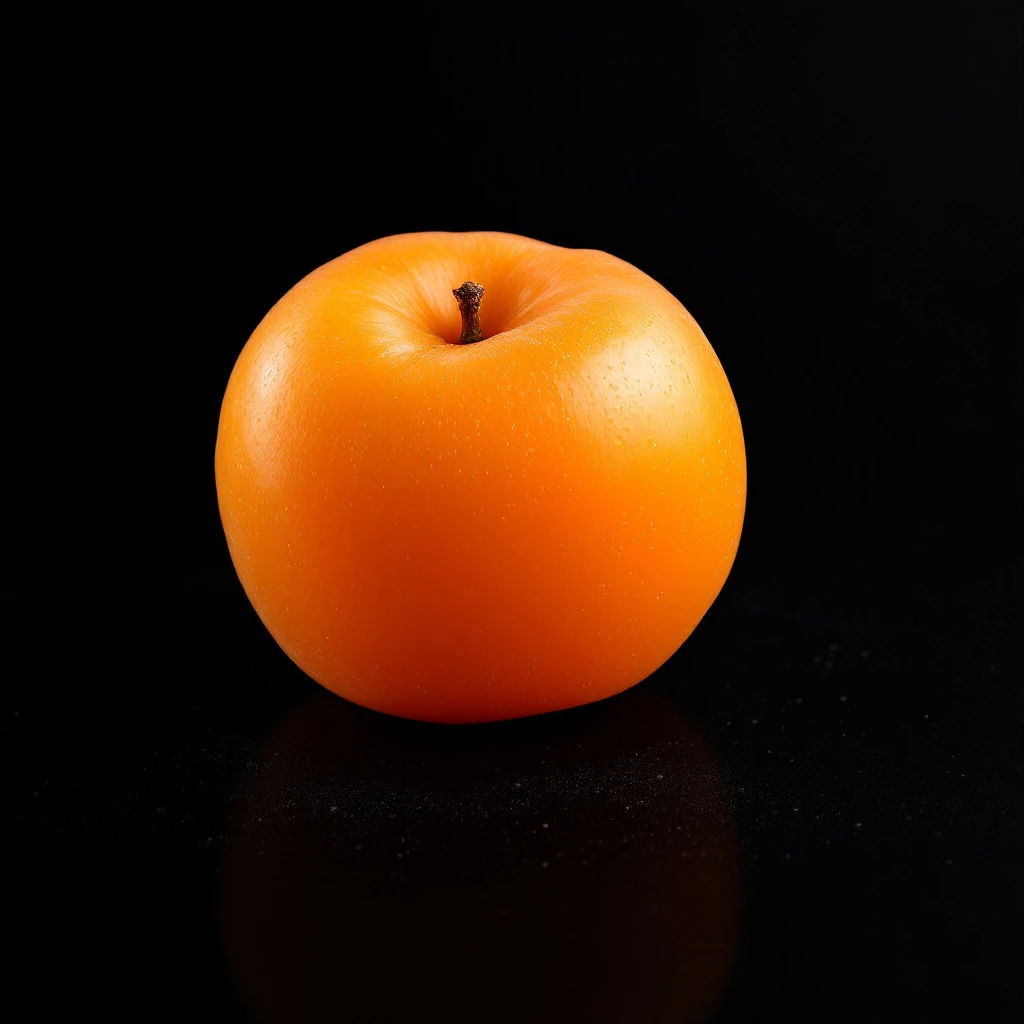
Candied Apricot captures the sun-drenched sweetness of ripe fruit preserved at its peak. In perfumery, this warm, gourmand note brings a jammy, velvety softness that bridges fresh fruit and edible confection. Perfumers reconstruct this beloved aroma through a precise blend of aromatic molecules and natural materials.
Character
How it smells
Velvety warmth captured from the sun-ripened stone fruit.
The earliest recorded apricot in perfumery appears in 9th-century Arab formulas by Al-Kindi, predating modern synthetic chemistry by over a millennium.
Pairs beautifully with
Origin
France
Apricots have held cultural significance across Eurasia for thousands of years, believed to have originated in the mountain regions of China before spreading along trade routes to Persia and the Mediterranean. Arab perfumers documented apricot's use in fragrance as early as the 9th century in the formulas recorded by Al-Kindi, the influential Arab scholar and physician.
These early recipes treated apricot as both a flavoring and a aromatic material, reflecting the Arab world's sophisticated understanding of botanical ingredients. When modern perfumery emerged in 19th-century France, natural apricot extracts were too fleeting for reliable use.
Perfumers turned to reconstruction, using isolated natural molecules and synthetics to build durable apricot accords. Today, the apricot note in fine fragrance owes its consistency and accessibility to this reconstruction tradition, which transforms ancient culinary inspiration into a precise, lasting perfumery ingredient.
Wears it best
Fragrances featuring Candied Apricot
Brands
Brands known for Candied Apricot
Good to know
Questions, answered
The essentials on Candied Apricot in perfumery: how it smells, where it comes from, and how it behaves on skin.
Is Candied Apricot a natural fragrance ingredient?
Candied Apricot is primarily synthetic. No commercial extraction method yields the apricot note directly from fruit. Perfumers reconstruct it using aromatic lactones, esters, and natural absolutes like osmanthus to achieve the characteristic sweet, jammy character.
What aromatic molecules create the apricot scent in perfumery?
Gamma-decalactone provides the core apricot character, contributing its characteristic peachy-fruity sweetness. Perfumers layer it with fruity aldehydes and esters, often anchoring the accord with osmanthus absolute for added depth and a subtle leathery quality.
Where do major apricot fragrance bases originate?
Leading fragrance houses source apricot reconstruction bases from houses like Robertet, headquartered in Grasse, France. The region remains the historical center of French fine fragrance ingredient production.
How does Candied Apricot behave in fragrance compositions?
Candied Apricot reads as warm, sweet, and slightly jammy with velvety undertones. It performs well as a heart note and blends naturally with rose, jasmine, sandalwood, vanillin, and white musks.
What fragrance families most commonly use Candied Apricot?
Fruity, gourmand, and floral fragrance families rely most heavily on Candied Apricot. It also appears in chypre and oriental compositions as a bridging note between fresh top accords and deeper base warmth.
Does Candied Apricot smell the same in every product?
The perceived character shifts based on concentration and surrounding notes. At low levels it reads as a soft fruity accent; at higher concentrations it presents as a rich, almost edible candied fruit accord with notable warmth.
Is Candied Apricot used outside fine fragrance?
Yes. The same aromatic lactones and reconstruction techniques appear in cosmetics, body care, home fragrance, and the flavor industry, where apricot is equally valued in edible applications.
What makes Candied Apricot different from fresh apricot in a fragrance?
Fresh apricot notes tend to be lighter and more acidic, with green or skin-like facets. Candied Apricot amplifies the ripe, jammy sweetness of the fruit, adding velvety depth and a confectionery warmth that reads as richer and more persistent.