Bitter
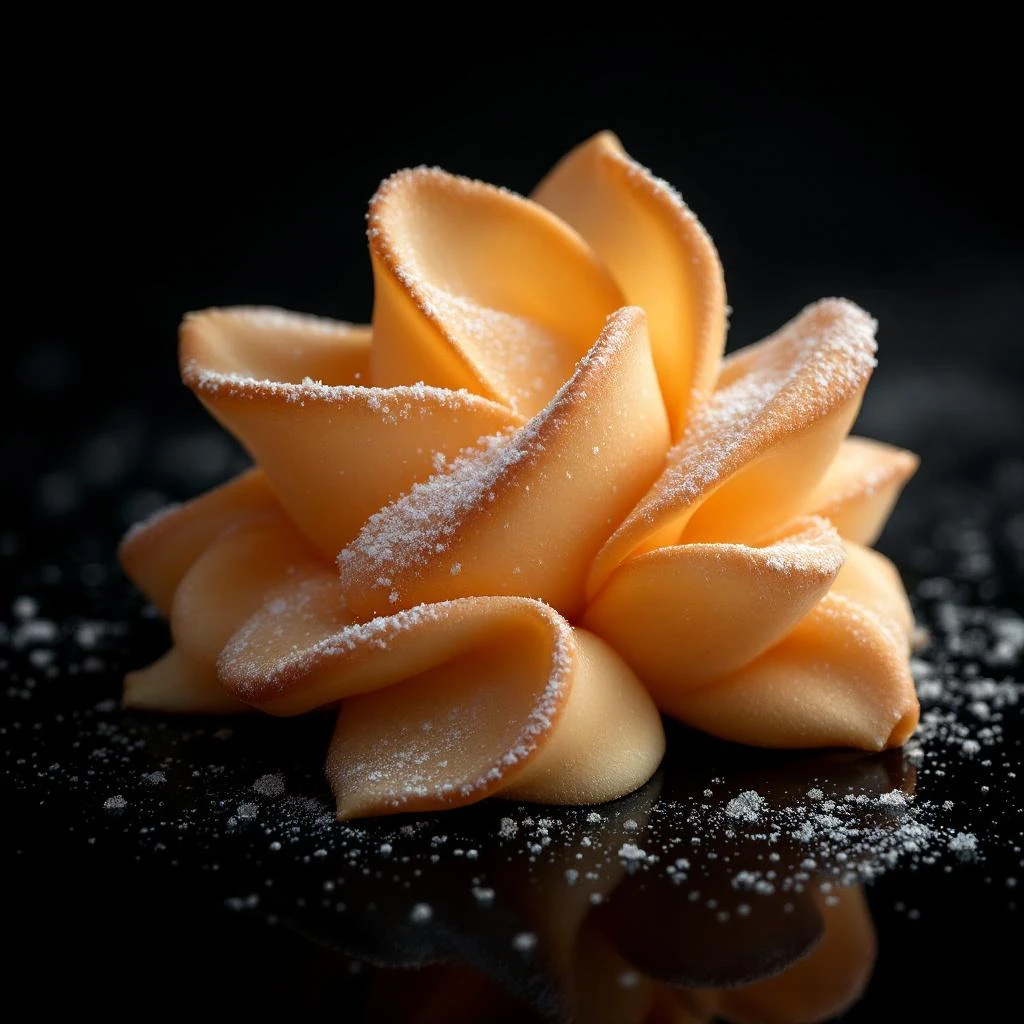
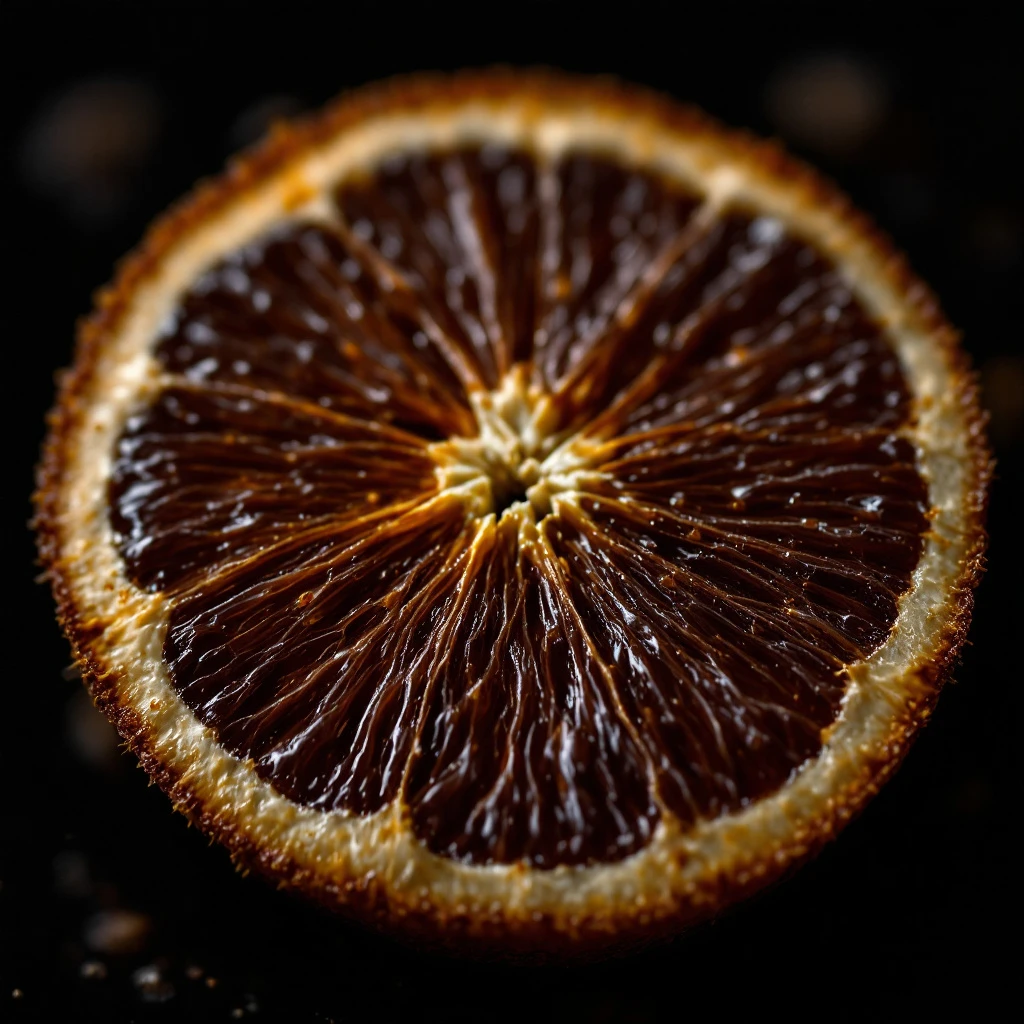
Bitter is the sharp, astringent quality that cuts through sweetness to add structure and edge. Most commonly sourced from bitter orange peel, this note brings precision and sophistication to fragrance compositions, from citrus colognes to chypre foundations.
Character
How it smells
The sharp edge that defines and sharpens.
Bitter orange peel oil contains limonene that oxidizes over time, transforming into carvone and giving aged fragrances a distinctive herbal bitterness.
Pairs beautifully with
Origin
Philippines
Bitter orange originated in Southeast Asia, likely in the region spanning southern China to the Philippines. Arab traders introduced it to the Mediterranean during the medieval period, where it thrived in the gardens of Moorish Spain and Sicily.
By the 12th century, Arabian physicians practicing distillation documented its aromatic properties. European perfumers adopted bitter orange oil during the Renaissance, using it in pomanders and scented waters as protection against plague.
The French term bigarade reflects its established presence in Provencal perfumery by the 17th century. Modern fragrance houses continue to prize bitter orange for its versatility, appearing in fresh colognes, sophisticated chypres, and oriental compositions alike.
Wears it best
Fragrances featuring Bitter
Good to know
Questions, answered
The essentials on Bitter in perfumery: how it smells, where it comes from, and how it behaves on skin.
What creates the bitter note in perfumery?
Bitter notes in perfumery come from specific aromatic compounds like limonene oxidation products, bitter terpenes, and certain aldehydes. Bitter orange peel oil is the most common natural source, producing a sharp, astringent quality that adds structure to compositions.
How does bitter orange differ from sweet orange?
Bitter orange (Citrus aurantium) yields an oil with higher furanocoumarin content and a more complex, slightly floral character. Sweet orange (Citrus sinensis) oil is milder and sweeter. The bitter variety also produces neroli and petitgrain, while sweet orange does not.
Why do bitter notes matter in fragrance?
Bitter notes act as fixatives and structural elements. They create contrast against sweet or heavy components, extend longevity on skin, and add sophistication. A touch of bitterness prevents compositions from becoming cloying.
Which fragrance families use bitter notes?
Bitter notes appear across many families: citrus colognes, chypre compositions, fougeres, and oriental fragrances. They work particularly well in men's fragrances but also appear in sophisticated women's scents for their structural qualities.
Can bitter notes be synthetic?
Yes. Synthetic bitter compounds like certain bitter aldehydes and amarissint analog ingredients can replicate the effect. However, natural bitter orange oil remains preferred for its complexity and the subtle variations between batches.
What is bigarade?
Bigarade is the French term for bitter orange, derived from the Italian bigarcio. The essential oil from bitter orange peel is sometimes called bigarade oil. It has been a staple in French perfumery since at least the 17th century.
Does bitter orange cause photosensitivity?
Bitter orange peel oil contains furanocoumarins that can cause phototoxic reactions when applied to skin before sun exposure. IFRA regulations limit concentrations in leave-on products to ensure safe use.
What other ingredients provide bitter character?
Beyond bitter orange, coffee absolute, certain bark extracts, gentian root, and bitter herbs like wormwood contribute bitter notes. Artemisia and costus root offer particularly distinctive bitter facets used in high-end perfumery.