Berry Compote
Berry Compote captures the warm, jammy soul of slow-cooked fruit preserves. Think blackberries and raspberries simmered with sugar and a hint of spice, their bright edges softened into something indulgent and caramelized.
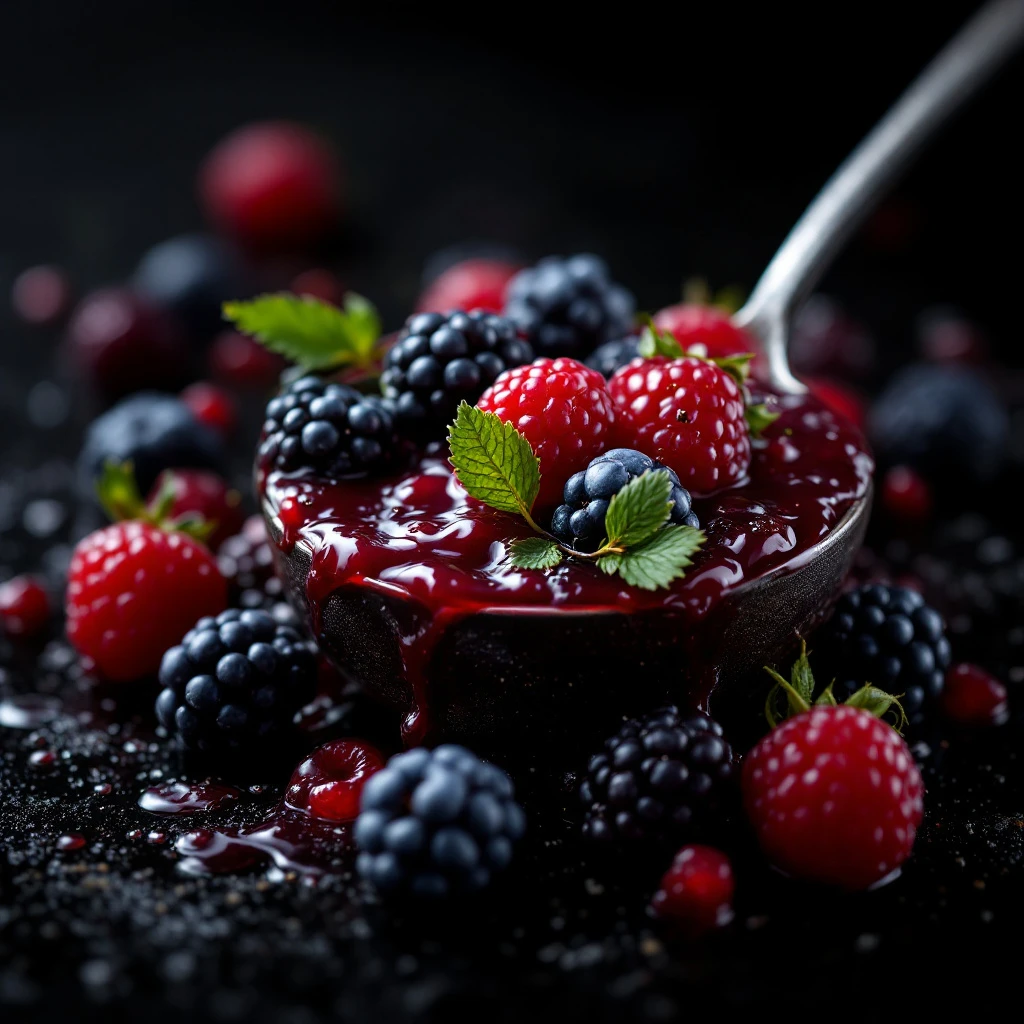
Character
How it smells
The warm, jammy soul of slow-cooked berries
Berry notes in perfumery predate modern synthetics. Early 20th-century houses used natural fruit macerations before aroma chemicals enabled the rich, cooked character of true compote.
Pairs beautifully with
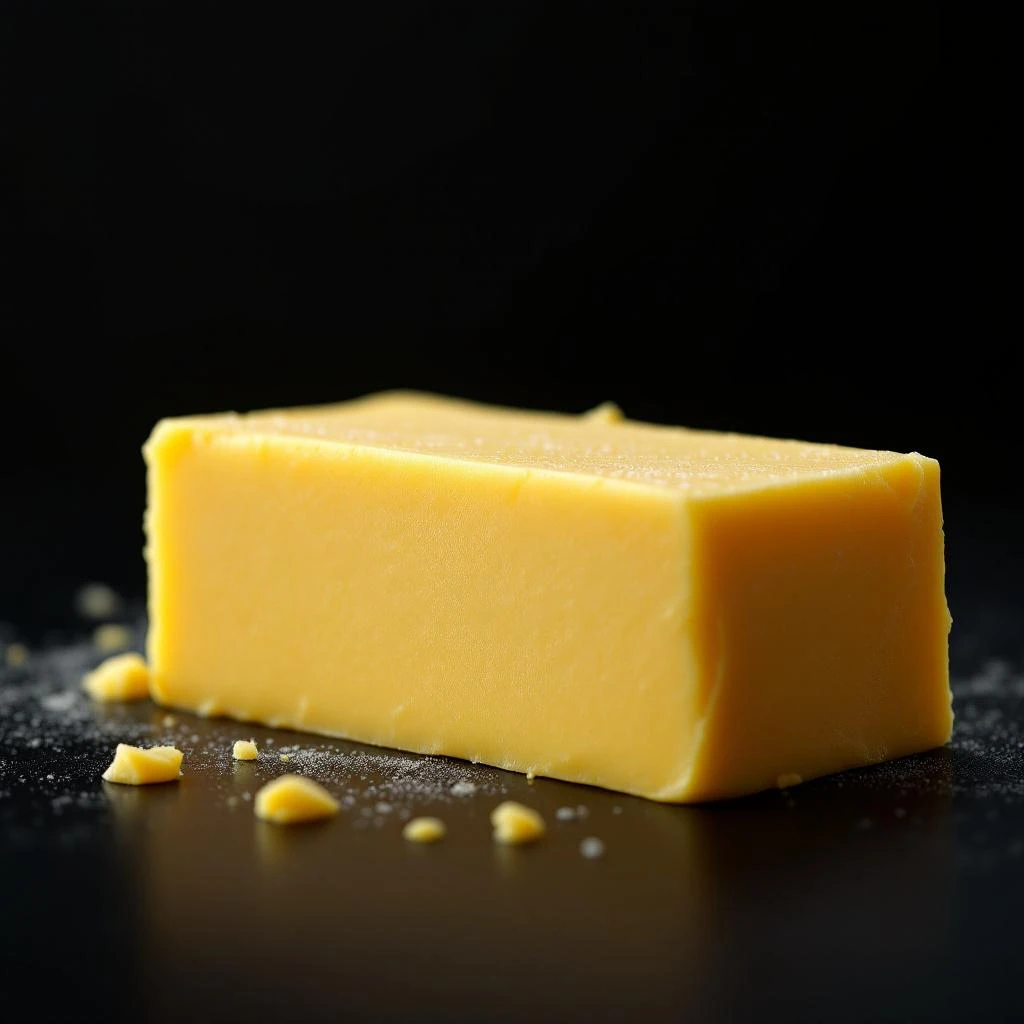
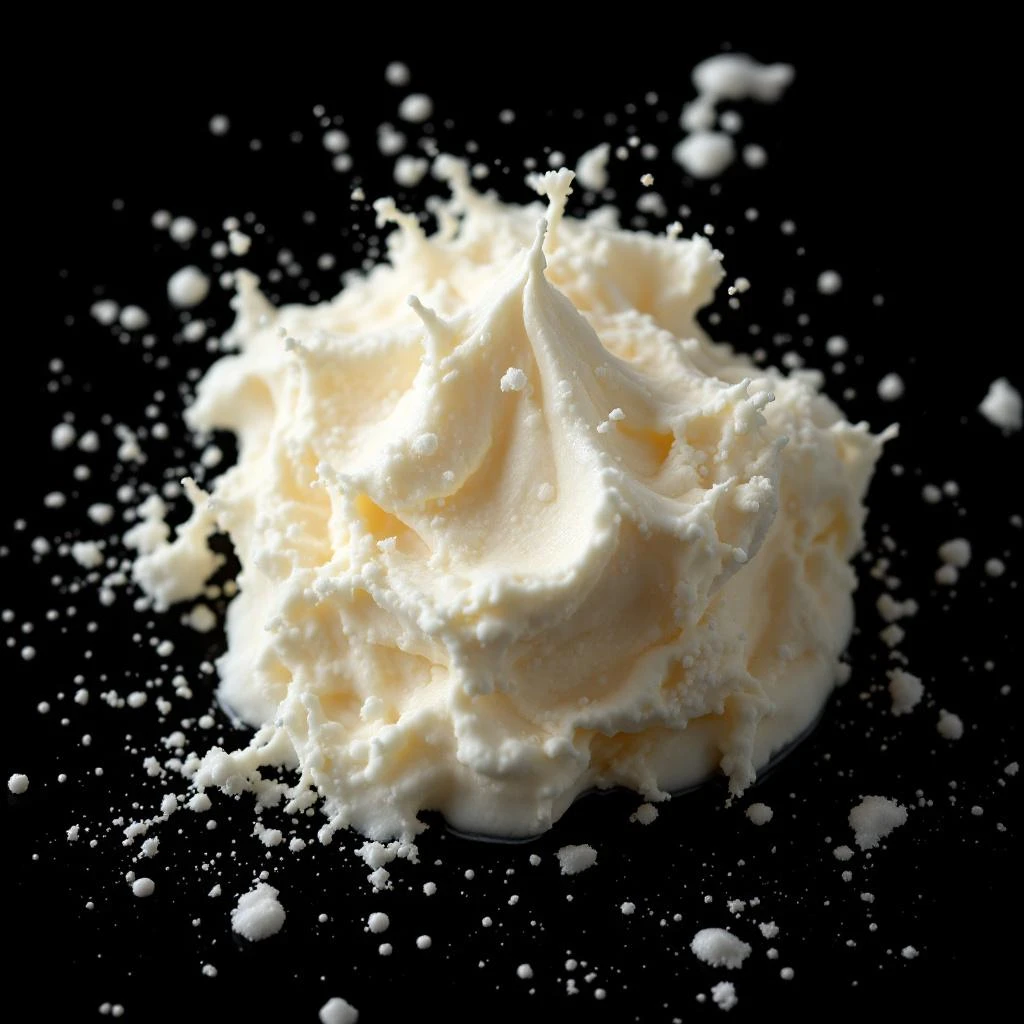
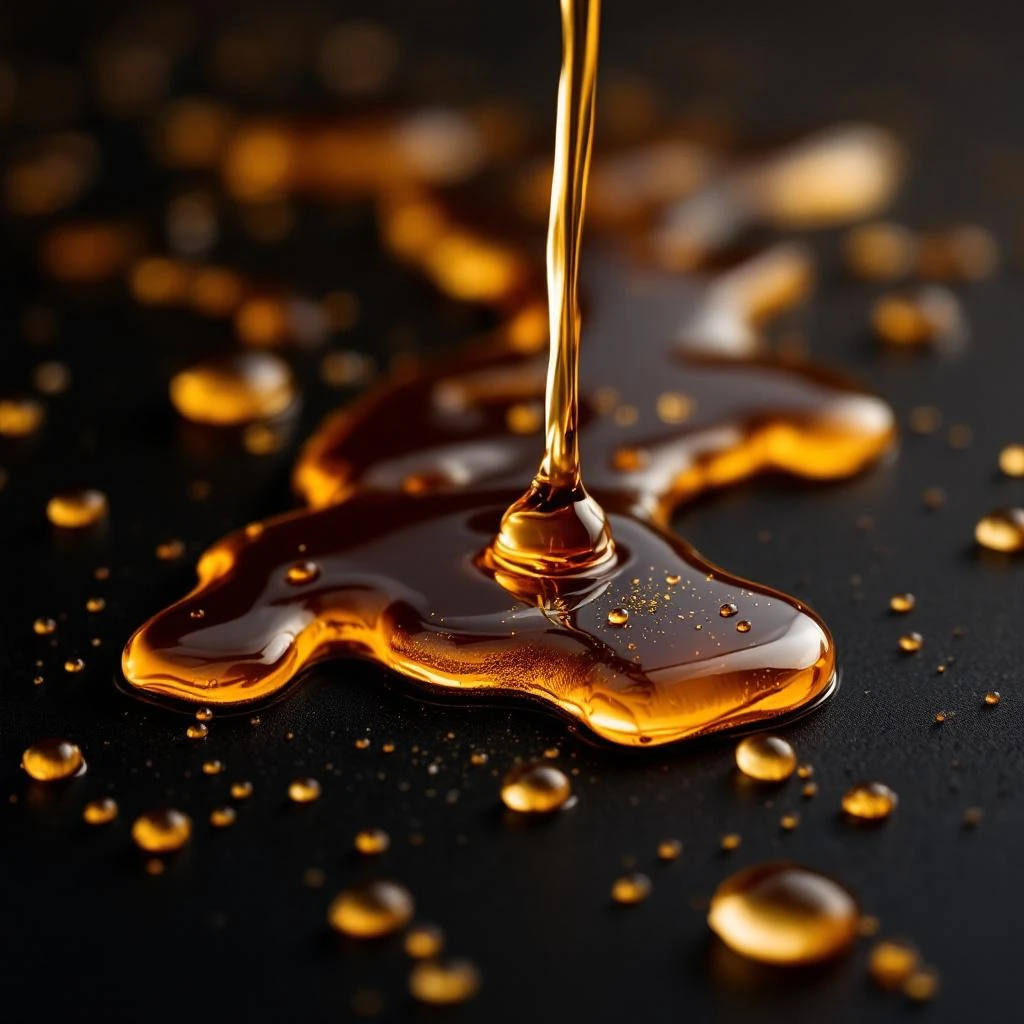

Origin
France
Berry notes appeared in perfumery as early as 1889, when Guerlain's Jicky introduced a fruity facet alongside herbal and animalic elements. Those early attempts used natural fruit macerations, which lacked the depth and staying power of true cooked fruit.
The shift came with 20th-century aroma chemistry, which gave perfumers new tools to capture and amplify the warm, jammy character that cooking brings out in berries. French fragrance houses, drawing on their culinary heritage, coined the term "compote" to evoke the slow-simmered sweetness of fruit preserves.
The concept itself is relatively recent in perfumery's long history, only becoming a recognized accord category in the late 20th century as fruity-gourmand fragrances gained commercial momentum. Today, Berry Compote appears across masculine, feminine, and unisex fragrances, valued for its approachable warmth and its ability to lend fruitiness without the sharp, tart edge of fresh berries.
Wears it best
Fragrances featuring Berry Compote
Brands
Brands known for Berry Compote
Good to know
Questions, answered
The essentials on Berry Compote in perfumery: how it smells, where it comes from, and how it behaves on skin.
What is Berry Compote in perfumery?
Berry Compote is a composed accord that mimics the warm, jammy character of slowly cooked berries. It blends natural berry extracts with aroma chemicals to create caramelized sweetness and spiced depth rather than the sharp tartness of fresh fruit.
Does Berry Compote use real berries?
It can include natural berry extracts like blackberry absolute or raspberry essence, but these are typically combined with aroma chemicals to achieve the characteristic cooked, spiced quality that sets compote apart from fresh fruit notes.
When did Berry Compote become a recognized perfumery concept?
Berry notes appeared in the late 19th century, but the warm, cooked compote accord emerged in the late 20th century as aroma chemistry advanced. French houses named it after the culinary technique of slow-cooking fruit preserves.
How does Berry Compote differ from fresh berry notes?
Fresh berry notes are bright, tart, and juicy. Berry Compote carries the caramelized warmth of cooked fruit, with deeper sweetness, spiced undertones, and a softer, rounder character that reads as indulgent rather than crisp.
Which fragrance families commonly use Berry Compote?
Gourmand, fruity, and chypre families most frequently feature Berry Compote. It pairs with vanilla, amber, and cream for sweet effects, or with rose and woody notes for more complex, sophisticated compositions.
Does Berry Compote fade quickly in a fragrance?
Fruity notes are typically top-tier volatiles, but Berry Compote's warm, sugary character gives it more presence in the heart and drydown. Longevity depends on the overall formula and the concentration used.
What natural materials support Berry Compote in a fragrance?
Vanilla, tonka bean absolute, and benzoin add creamy, sweet depth. Rose or violet can soften the effect with floral facets, while sandalwood or musks provide a base that anchors the compote note through drydown.
Can natural berry extracts be used directly in perfumery?
Blackberry absolute, raspberry essence, and strawberry extract exist but are costly and often do not smell like fresh fruit in concentrated form. Perfumers typically blend them with aroma chemicals to build the full Berry Compote accord.