
The Story
Why it exists.
The beginning
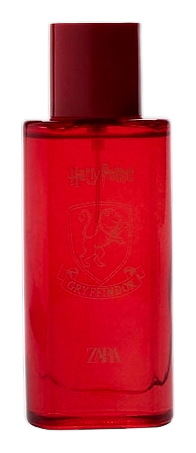
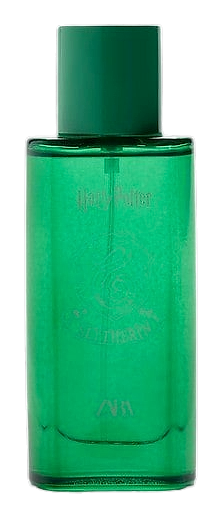
The Harry Potter x Zara collaboration took a house that means something to millions of people and translated it into scent, not literally, not predictably, but with a kind of confidence that Slytherin itself would recognize. Not aggressive. Not performative. Just certain. Neroli opened the composition, bright and clean, bringing a white floral quality that reads as optimistic without overwhelming. Hazelnut grounded it, adding warmth and a subtle nuttiness that softens the citrus brightness without competing with it. Sandalwood finished the thought, contributing creamy woodiness that wraps around the base and gives the fragrance its staying power. The result is a composition that doesn't announce itself. It takes the room.
The note structure is built on three distinct phases, and each one earns its place. Three notes, three layers, and the way they interact matters more than the number itself. The hazelnut is the key decision. In perfumery, it can go gourmand, it can go nutty and savory, it can disappear into a warm accord. Here, it occupies a middle space, neither fully dessert-like nor purely woody, but something that bridges the gap between the brighter opening and the creamier base.
The evolution
The neroli opens clean and slightly sweet, with the kind of white floral edge that disappears on some skin and lingers on others. For the first fifteen to twenty minutes, this reads as quiet optimism. Then the hazelnut arrives. It doesn't storm in, it settles, warm and round, displacing the citrus brightness with something more intimate. The transition is the kind of thing that only works when a composition trusts itself. By hour two, the sandalwood has come fully forward. Creamy, slightly resinous, faintly sweet, it wraps around the drydown like a closing door. The drydown is where this fragrance becomes itself. Four to six hours later, what's left is soft wood and a ghost of nuttiness, noticeable on skin and lasting even longer on fabric.
Cultural impact
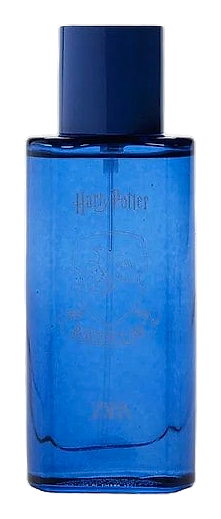
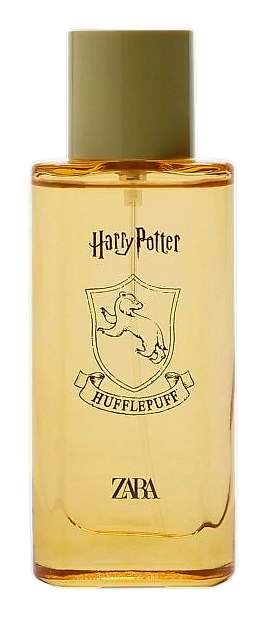
Harry Potter x Zara arrived as a collection, Slytherin alongside Ravenclaw, Gryffindor, and Hufflepuff. The collection drew mixed reviews from the fragrance community, with varied responses to longevity and overall execution reflecting the challenge of translating literary archetype into olfactory experience. Slytherin's three-note discipline speaks to ambition and strategy, creating a distinct identity within a licensed IP. The fragrance avoids relying on expected tropes while still capturing the house's character through restraint and precision rather than complexity or loudness.