The Story
Why it exists.
The beginning
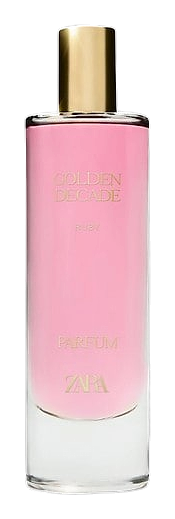
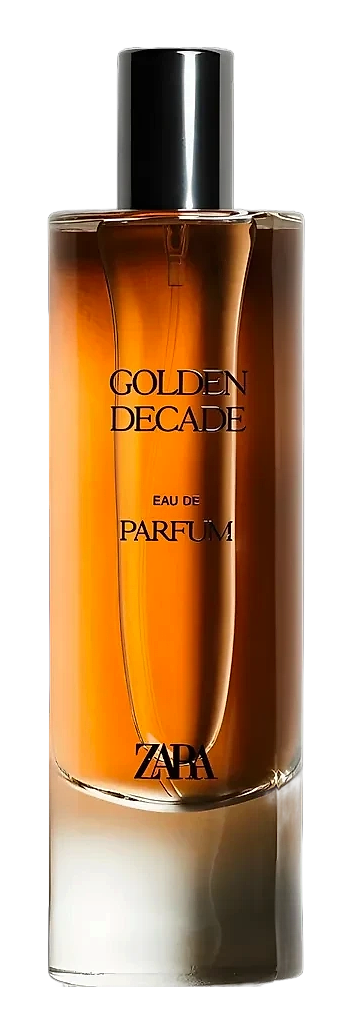
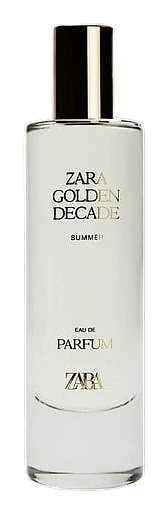
Golden Decade Summer exists because sometimes less is exactly right. The original Golden Decade made its case, warm, radiant, the kind of presence that announces itself. But summer has different rules. Heat changes everything. The skin wants something that breathes, that doesn't compete with humidity and sun. So Zara went back to the same architecture, grapefruit, white flowers, sandalwood, and rebuilt it lighter. The brief was simple: take everything that worked about the original and make it luminous. Make it air. The 2024 release translates that brief into a fragrance that opens bright and stays that way, without ever feeling thin.
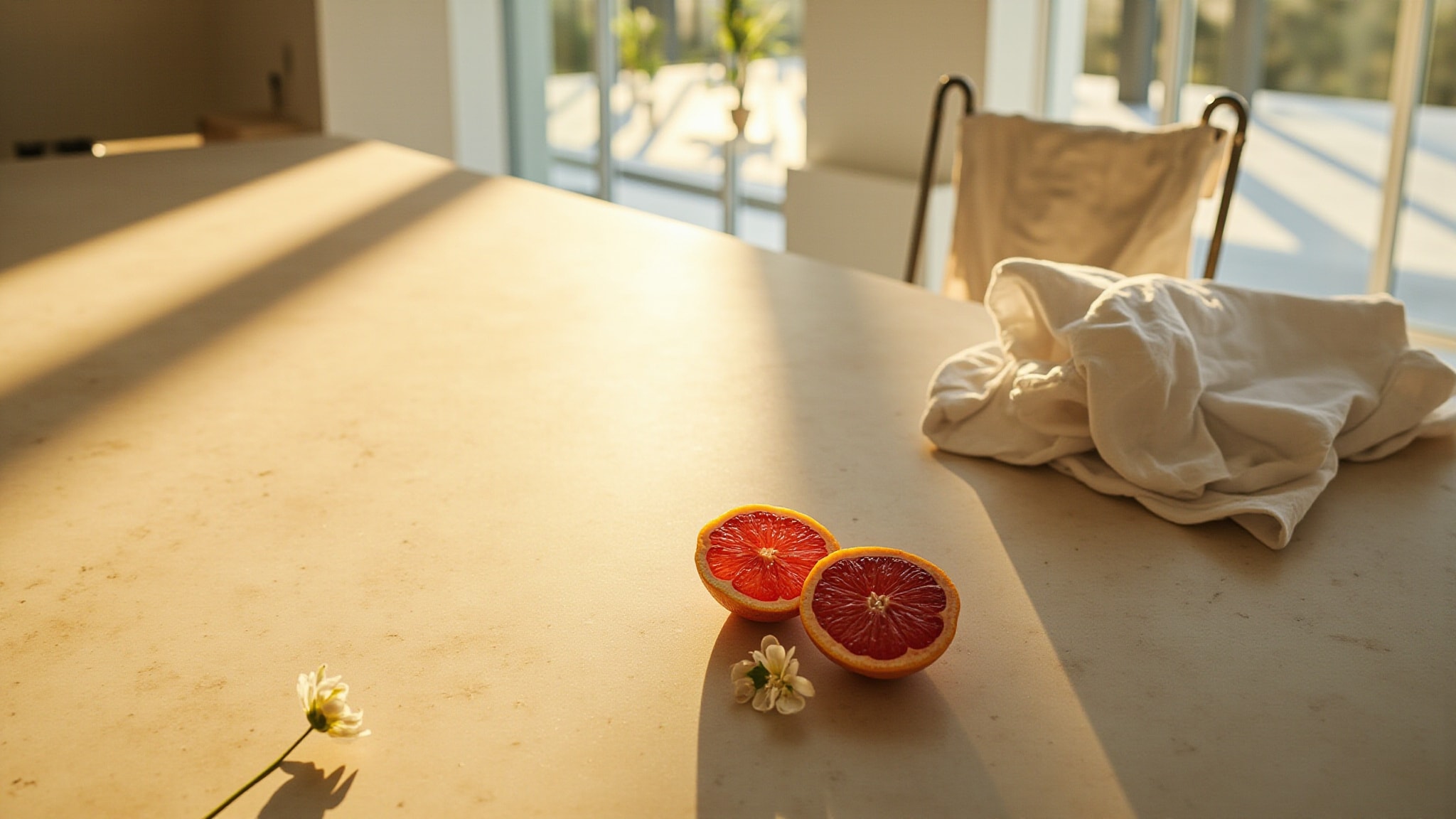
White flowers as a heart note is a deceptively simple choice. They don't shout, jasmine, tuberose, orange blossom, gardenia, any of them would demand attention. Instead, white flowers as a category suggests a quiet multiplicity. Zara leaned into that. The grapefruit opens with real citrus clarity, not the synthetic sparkle of a cleaning product but the actual bright tang of the fruit. Then the white flowers arrive without ceremony, adding warmth where the citrus left sharpness. Sandalwood finishes the composition close to the skin, soft and woody, the kind of base that makes you lean in rather than step back. It's a structure that works precisely because it doesn't try to do too much.
The evolution
Grapefruit hits first, bright, direct, the smell of a morning with nowhere to be. It holds for a while before the white flowers move in, taking the edge off the citrus and replacing it with something softer. This is the longest phase. The white floral heart carries the fragrance for hours, warm and close, never strident. Sandalwood arrives quietly, too, not a dramatic shift but a settling, like the way a room feels after the windows have been open all afternoon. The drydown extends for several more hours. The next morning, there's a faint warmth left. Not projection, just presence. The citrus opening establishes an immediate sense of clarity and brightness that feels almost effortless. White florals then emerge, their gentle presence creating a subtle transition from sharp to soft that feels entirely natural.
Cultural impact
Zara occupies a singular position in the fragrance landscape, bridging the gap between high fashion accessibility and mass-market availability. Since partnering with Spanish fragrance house Puig in 1998, Zara has challenged traditional perfume industry gatekeeping by offering design-forward scents at democratic price points. The Golden Decade Summer represents this philosophy distilled into its purest form: a fragrance that arrives seasonally, speaks to contemporary tastes for lightness and ease, and reaches audiences who might never enter a traditional perfume boutique. This approach reflects a broader shift in how fashion-adjacent brands democratize luxury sensory experiences, making thoughtful fragrance design available beyond niche enthusiast circles.