
The Story
Why it exists.
The beginning
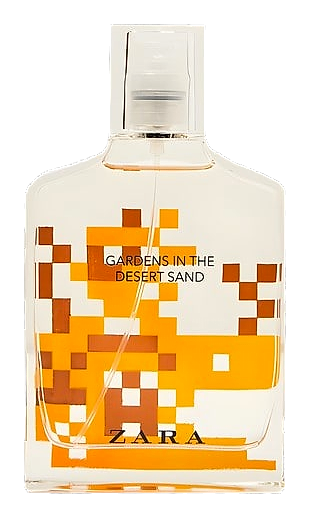
Gardens in the Desert Sand began as a concept, not a commission. Someone at Zara looked at the name and thought: what happens when green fights gold? When life insists on itself in the last place it should survive? The 2018 brief was to build that contradiction into a bottle, not literally, not naively, but with enough sincerity that it registered as a feeling rather than a metaphor. The perfumer worked with a minimal palette: allspice to open, geranium to complicate, sandalwood to ground. What emerged was quieter than the name suggested, but that was the point. A garden in the desert doesn't roar. It persists.
Three notes sounds like a sketch. What makes Gardens in the Desert Sand work is the structural honesty of the pyramid, each layer arrives, does its job, and steps aside for the next. Allspice doesn't linger. Geranium doesn't overpower. Sandalwood doesn't disappear. There's a discipline to this composition that expensive fragrances often lack, where the ambition is to be liked rather than to be true. The geranium here is the quiet hero: green and slightly bitter, carrying a rose-like softness that prevents the whole thing from reading as masculine in any obvious way. It smells like someone who dressed well and then forgot about it.
The evolution
Allspice arrives first, warm, crackling, immediate. Think of the moment you bite into a peppercorn and feel that burst before the heat settles. Thirty seconds in, the geranium takes over, pushing the spice toward something greener, leafier, more alive. The transition isn't dramatic; it reads more like a change in weather than a change of scene. Sandalwood announces itself around the thirty-minute mark, creamy and dry, pulling the whole composition toward something earthier. By hour two, the fragrance is intimate, present on the skin but not projecting, the kind of scent you catch when you lift your wrist to your face. It holds for four to six hours depending on skin, then fades cleanly, leaving a faint woody trace that smells like the memory of a garden rather than the garden itself.
Cultural impact
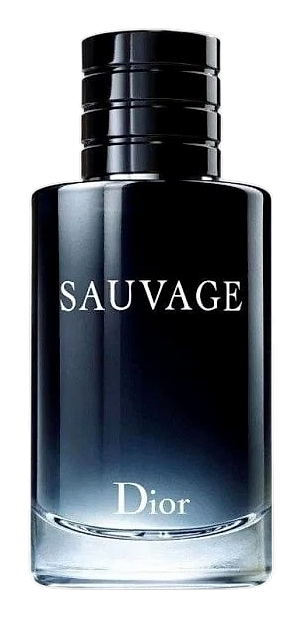
Gardens in the Desert Sand found its audience in the space between aspiration and pragmatism. Those who wanted the feeling of a luxury fragrance without the price tag, who appreciated the name's poetry but didn't need the bottle to prove anything. Comparisons to Sauvage are inevitable, both open with a warm spice, both lean woody in the drydown, but the Zara version is quieter, less concerned with announcing itself. Discontinued now, it circulates secondhand at accessible prices, which suits its character. It was never trying to compete.