
The Heritage
The Story of Zara Home
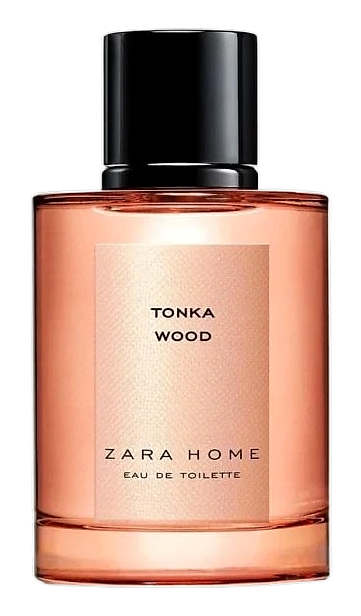
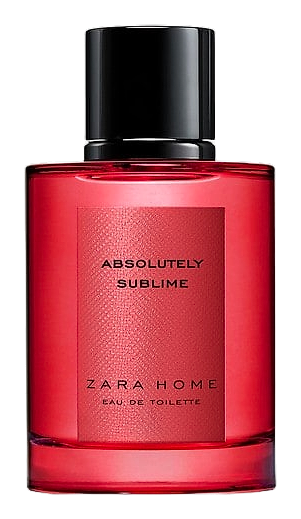
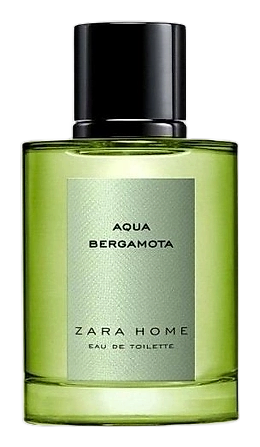
Zara Home is the home‑furnishings arm of Spain’s Inditex group. Launched in 2003, the brand translates the fast‑fashion DNA of Zara into furniture, textiles and accessories for living spaces. In 2016 Zara Home added a line of scented candles and room sprays, including Absolutely Sublime, Tonka Wood and Aqua Bergamota. Today the collection is sold in Zara Home stores and online across Europe, Asia and the Americas, offering a seasonal rotation that mirrors the parent company’s apparel calendar.
Heritage
The story of Zara Home begins with Inditex, the retail conglomerate founded by Amancio Ortega and Rosalía Mera in 1975. After a decade of expanding the Zara clothing chain, the group opened its first dedicated home‑goods concept in 2003, positioning it as a bridge between runway trends and everyday interiors. Early stores appeared in Spain’s major cities before the concept rolled out to Portugal, France and Italy. By 2008 the brand had entered the Middle East, and a 2011 push into Asia saw flagship locations open in Shanghai and Tokyo. The 2016 launch of a fragrance collection marked the first major extension beyond tangible décor, aligning scent with the visual language of each season. Since then Zara Home has continued to broaden its footprint, reporting a presence in more than 70 countries as of the early 2020s. Each expansion has been accompanied by a localized product mix, allowing the brand to reflect regional tastes while maintaining a core aesthetic rooted in the parent company’s fast‑turnover model. The brand’s growth has been documented in independent retail analyses that note its rapid scaling alongside Inditex’s overall revenue surge.
Craftsmanship
Production of Zara Home’s fragrance line is handled by third‑party perfumers who work from briefs supplied by the brand’s trend team. The brief typically references the seasonal colour story, desired mood and target room type. Ingredients are sourced from suppliers that comply with EU REACH regulations, and the company reports that it conducts regular audits to verify ethical sourcing of natural extracts such as bergamot or tonka bean. The candles are poured into glass vessels that are manufactured in Europe, where quality control includes burn‑time testing and scent‑throw measurement under standardized conditions. Packaging uses recyclable cardboard and minimal printed ink, aligning with Inditex’s broader sustainability targets. While the exact formulation details remain proprietary, the brand has disclosed that each scent undergoes a stability test to ensure the fragrance does not degrade over the typical shelf life of twelve months. The fast‑turnover model means that new scents are developed, produced and shipped within a six‑to‑eight‑week window, mirroring the rapid design cycles of the parent clothing line. This efficiency is achieved through close coordination between the trend forecasting unit, the external fragrance house and the logistics network that distributes products to stores worldwide.
Design Language
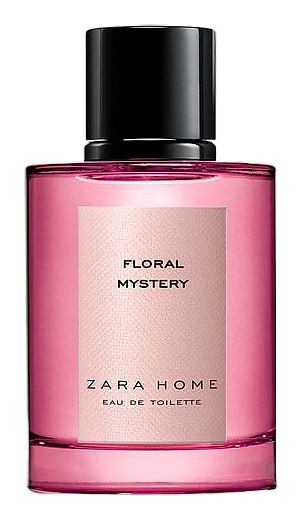
Visually, Zara Home adopts a clean, minimal aesthetic that echoes the parent brand’s runway presentation. Store interiors feature neutral walls, natural wood fixtures and soft lighting that allow the product to speak for itself. Colour palettes shift with the season, often favouring muted tones such as stone, sand and muted pastels, punctuated by occasional bold accents that mirror fashion runway highlights. The fragrance bottles follow the same restraint: clear glass, simple black or white labeling, and a subtle embossed logo. This understated design aims to blend seamlessly into any décor, whether a modern loft or a traditional apartment. Marketing imagery frequently pairs the scented products with styled room settings, reinforcing the idea that scent completes a visual composition. The brand’s visual language is consistent across print, digital and in‑store displays, creating a cohesive experience that feels both contemporary and approachable.
Philosophy
Zara Home’s creative vision rests on the idea that interior style should evolve as quickly as fashion. The brand follows a seasonal calendar, releasing new colour palettes, textures and patterns each spring, summer, autumn and winter. This cadence is intended to give shoppers the feeling of a refreshed home without waiting years for a new collection. Sustainability is woven into the philosophy; Inditex’s public commitments to reduce water use, increase recycled fibres and ensure responsible sourcing extend to Zara Home’s textiles and packaging. When it comes to scent, the company treats fragrance as an extension of the visual collection, selecting notes that echo the colour story of the season. The approach favours limited‑edition releases that disappear after a few months, encouraging customers to experiment with fresh olfactory experiences in line with the visual refresh. The brand’s statements on inclusivity and accessibility are reflected in price points that aim to make contemporary design attainable for a broad audience.

Key Milestones
2003
Zara Home launched as the home‑furnishings division of Inditex, opening its first stores in Spain.
2008
International expansion reached the Middle East, with stores opening in the United Arab Emirates and Saudi Arabia.
2011
First Asian flagship opened in Shanghai, marking entry into the Chinese market.
2016
Introduction of the Zara Home fragrance collection, featuring scents such as Absolutely Sublime and Tonka Wood.
2020
Inditex announced a sustainability roadmap that includes recycled materials for Zara Home packaging.
2022
Zara Home reported a presence in over 70 countries, with more than 1,000 store locations worldwide.
At a Glance
Brand profile snapshot
Origin
Spain
Founded
2003
Heritage
23
Years active
Collection
1
Fragrances released
Avg Rating
4.4
Community sentiment


