Heritage
A house, in its own words
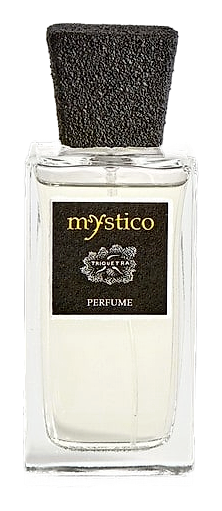
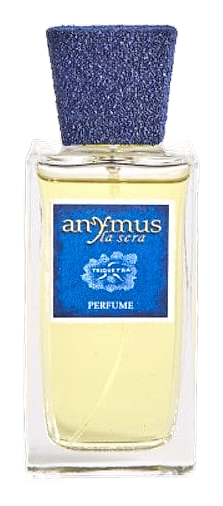
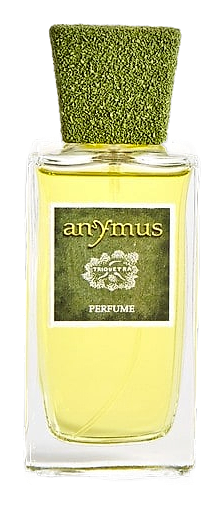
Triquetra’s documented fragrance history begins in 2014 with Anymus. Two further scents followed within the following year: Mystico and Anymus la Sera, both dated 2015. Anymus la Sera extends the Anymus name, suggesting a related place within the house’s creative catalogue, although the available research does not explain its ingredients, concentration or relationship to the original composition. Triquetra is identified as an independent Australian perfume brand, but the supplied sources do not establish a founding year, named founder, city of origin or the circumstances behind the company’s creation. It would therefore be misleading to construct a conventional origin story around unsupported details. The name Triquetra comes from a trivalent or triple-cornered form associated with a threefold knot. Across Celtic and Insular traditions, related interlaced motifs carry meanings that have been interpreted as unity, balance and the joining of three elements or realms. The name is especially apt for a fragrance house whose early catalogue contains both a standalone scent and a later variation. Beyond these release dates, the house’s historical record remains lightly documented. Independent perfume-history material supplied in the research offers broad context about fragrance’s long cultural role, particularly its presence in ritual and ideas of personal presence, but it does not provide further verified milestones for Triquetra. The most reliable account is thus one of an Australian independent label that established a compact, recognisable trio of fragrances across 2014 and 2015, with Anymus forming the clearest named line of continuity. Triquetra presents perfumery through the language of craftsmanship, authenticity and lasting impact. Those ideas frame fragrance as something that should feel personal, coherent and present on the skin rather than simply decorative. The house’s name reinforces this outlook. The triquetra’s three connected lines suggest relationships, proportion and the union of distinct elements, qualities that translate naturally into fragrance composition. The early catalogue reflects this sense of continuity: Anymus appears in 2014, then Mystico and Anymus la Sera arrive in 2015, the latter extending the Anymus naming sequence. Triquetra’s broader perfume philosophy also resonates with the historical role fragrance has played as part of identity and ritual. The available contextual source notes that in Indian traditions, fragrance was closely tied to the body, presence and ceremonial life. That does not demonstrate a direct design influence on Triquetra, but it supports a thoughtful view of fragrance as more than scent alone. Its visual and verbal identity draws from the symbolic richness of the threefold knot without requiring a specific cultural affiliation in its product descriptions. While Triquetra calls its creations bold and high quality, those are self-descriptors rather than independent conclusions. The house’s clearest philosophy remains modest but distinct: create fragrance with integrity and presence, organise compositions around evocative names, and seek an experience that continues to register after the first impression.