








Heritage
A house, in its own words
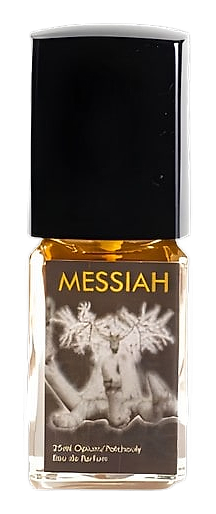
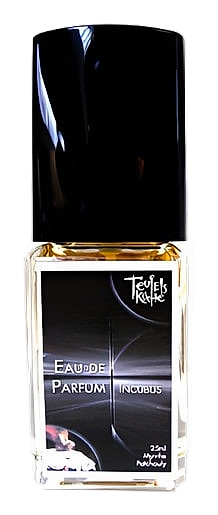
Germany holds one of the most significant places in the history of modern perfumery. It was in Cologne in 1709 that Johann Maria Farina created what became known as Eau de Cologne, the first modern perfume to spread across European courts and into everyday use. That heritage of precise blending and ingredient innovation established Germany as a serious player in fragrance long before the Parisian houses dominated the luxury conversation. Teufels Kuche emerges from this lineage, though in a deliberate departure from the clean, bright tradition of Cologne-style scents. Where classic German perfumery emphasized freshness and clarity, Teufels Kuche works in shadow, favoring dense patchouli compositions, incense-driven compositions, and compositions with names like Unholy and Holy Vampire that signal an interest in the gothic and the occult. The brand's catalog suggests a relatively recent establishment within the niche fragrance movement of the 2010s and 2020s, a time when independent perfumers worldwide began challenging the conventions of mainstream houses. Rather than chasing the floral lightness of heritage perfumery, Teufels Kuche has carved out a space for fragrances that feel ritualistic, heavy, and confrontational, positioning itself within a broader European wave of dark-themed niche perfumery. Teufels Kuche approaches fragrance as a form of sensory storytelling rooted in nature's more mysterious corners. The brand's repeated return to patchouli across multiple compositions (Patchouli, Patchouly La Vanille Noir, and Patchouli Lost Dragon) suggests a philosophical commitment to that single ingredient as a vehicle for varied emotional registers, from earthy and meditative to resinous and otherworldly. The Blood Edition line, with its explicit gothic naming conventions, reveals a willingness to engage with themes that most mainstream perfume houses avoid: mortality, pain, transcendence, and the sacred-profane divide. This is perfumery that treats scent as ritual rather than accessory. The brand appears to resist the trend toward crowd-pleasing, clean, minimalist compositions, instead embracing bold, polarizing formulations designed for wearers who want their fragrance to make a statement. There is an implicit belief in the transformative power of raw materials, that natural essences like patchouli, resins, and animalic-adjacent notes carry spiritual or symbolic weight beyond their olfactory function.