


Heritage
A house, in its own words
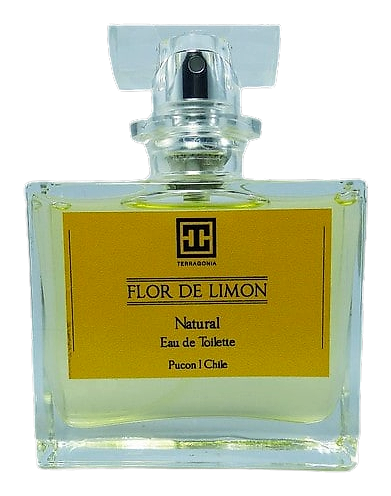
Terragonia traces its origins to the personal journey of Francisco Pereira, a Chilean perfumer who studied aromatic materials native to his home country before pursuing formal training abroad. In 2007, he reportedly gained admission to ISIPCA France, the prestigious perfumery school based in Versailles. There he studied the technical composition of fine fragrances, building on his earlier experiments with local essential oils. Upon returning to Chile, Pereira set out to establish a domestic fragrance house that could compete internationally while maintaining a distinctly Chilean character. He invested in creating a cosmetic laboratory and spent years developing prototype formulas before the brand's public debut. Terragonia launched all four of its initial fragrances in 2015, representing a curated collection anchored in regional botanicals and Patagonian inspiration. The brand occupies a niche position within the independent perfume world, appealing to consumers seeking fragrances with geographic specificity and artisanal production values rather than mass-market appeal. Terragonia operates from a conviction that Chile possesses a unique aromatic identity worthy of exploration through perfumery. The house seeks to translate regional botanicals and landscapes into wearable scents rather than relying solely on conventional fragrance materials. Pereira has described his approach as one that prioritizes local ingredients, suggesting that Chilean essential oils and native plant materials offer olfactory possibilities not readily available through standard perfume compositions. This focus on terroir aligns Terragonia with a broader movement among independent perfumers who emphasize provenance and ingredient sourcing. The brand positions itself as a vehicle for olfactory tourism, inviting wearers to experience fragments of Chilean geography through scent. Rather than chasing global trends, Terragonia appears to work from a stable of regional reference points, drawing on the landscapes and botanicals of Patagonia and southern Chile as its primary creative vocabulary.