






Heritage
A house, in its own words
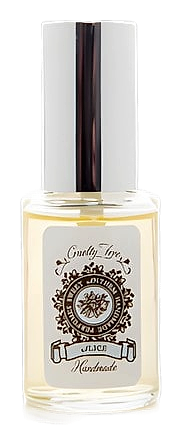
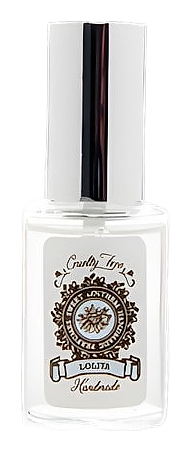
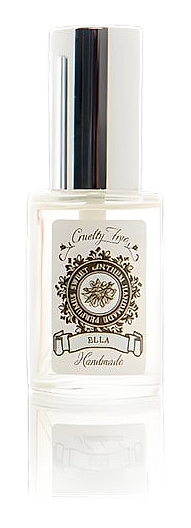
Sweet Anthem began in 2007 when Meredith Smith launched an independent perfume project committed to vegan, cruelty-free, and largely natural formulations. The early years established the studio's signature approach: each fragrance built around a narrative figure or archetype rather than a traditional olfactory family. By the mid-2010s, the catalog had expanded to include compositions like Ella, Cooper, Fox, Lolita, and Walden, many of which became touchstone scents for the brand's growing community of indie fragrance enthusiasts. The house went through a period of closure before reopening, a transition noted by members of the r/Indiemakeupandmore community who remembered the original run and welcomed its return. Since reopening, ownership has shifted to Marisa Borrevik, who now runs the studio from Portland and continues to expand the collection. The 2020 release of Phoebe marked a new chapter under the current stewardship, while older favorites like Wendy, Catherine, Tara, and Cordelia remain cult requests among longtime fans. Sweet Anthem's longevity within the indie perfume scene, surviving a hiatus and rebuilding under new leadership, reflects a devoted audience invested in its literary sensibility and ethical foundations. Sweet Anthem's creative vision centers on the belief that fragrance is a form of storytelling, with each bottle inviting the wearer into a character, legend, or natural landscape. The studio operates under the idea that beauty is kind, a principle that translates into a commitment to vegan formulations, cruelty-free practices, and ingredient transparency. Rather than chasing trends or conventional fragrance pyramids, the house builds compositions around personas, drawing on mythology, classic literature, and the quiet symbolism of the Pacific Northwest environment that surrounds the studio. This narrative-first approach also shapes how the brand relates to its community. Longtime followers are invited to participate in the creative life of the house, requesting the return of archived scents and engaging with the studio through social channels. The decision to maintain a direct-to-consumer model reflects a preference for intimacy over scale, allowing the perfumer to stay closely connected to the people wearing each scent. Ethical sourcing and a mostly natural ingredient palette further reinforce the philosophy that fragrance should be both imaginative and responsibly made.