



Heritage
A house, in its own words
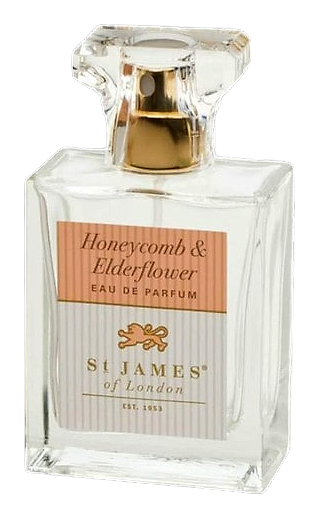
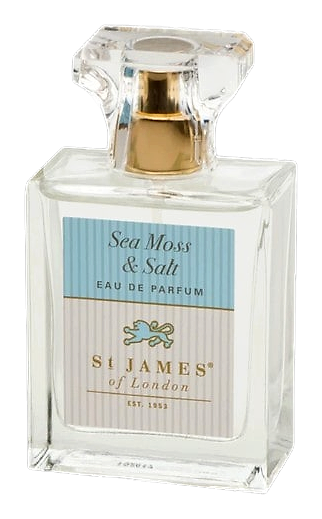
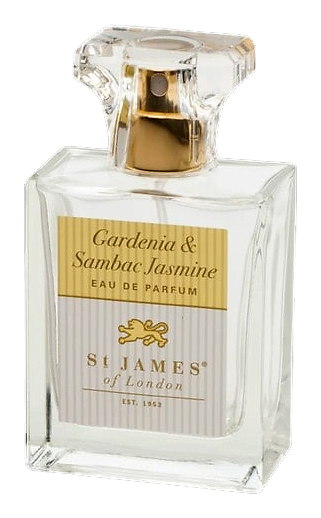
The story behind St James of London is one of archival rediscovery rather than continuous operation. According to the founder's own account, the original fragrance concept, Cedarwood & Clarysage, was conceived in 1953, a period when Britain was rebuilding after the war and new design movements were taking shape. Other compositions followed gradually, with new fragrances reportedly debuting every nine years, a pace that suggests the line was treated as a slow private project rather than a commercial venture. In 2014, the brand was officially relaunched, and Cedarwood & Clarysage was reinstated as the signature. The staggered release schedule continued, with a second wave of scents arriving in 2019 that included Black Ginger & Amaranth, Honeycomb & Elderflower, Sea Moss & Salt, and Gardenia & Sambac Jasmine. This unusual approach to extending a fragrance catalogue, treated less like seasonal product drops and more like numbered editions, sets the house apart from conventional perfume brands that release multiple launches per year. St James of London operates on the principle that a fragrance wardrobe should be curated rather than accumulated, and that each new composition deserves years of refinement before it reaches the public. The founder has spoken about reviving the line as a way of preserving a particular aesthetic sensibility rooted in mid-twentieth-century British style, one associated with tailored clothing, barbershop appointments on Jermyn Street, and evenings spent in members' clubs. Rather than chasing trends or seasonal note trends, the house appears committed to a small, considered catalogue where each scent occupies a distinct position. The slow-release model, with new editions appearing years apart rather than months apart, reflects a belief that olfactory quality cannot be rushed. There is also a clear reverence for traditional masculine perfumery, particularly the aromatic fougère and woody categories, though the 2019 additions brought unexpected turns into white florals and oceanic accords, suggesting the founders see themselves as custodians of a style rather than prisoners of one.