







Heritage
A house, in its own words
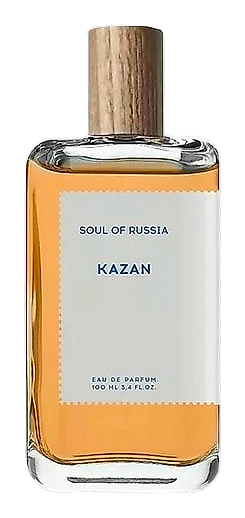
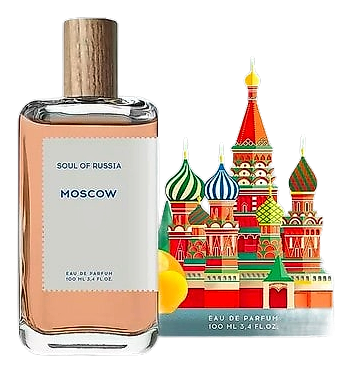
Russian perfumery has roots stretching back centuries, but the 19th and early 20th centuries marked a particularly significant period for domestic fragrance production in the country. The House of Fabergé, founded in 1842 by Gustav Fabergé in Saint Petersburg, established Russia as a serious player in luxury goods, creating perfume-related articles for royalty alongside its famous eggs. This era established a tradition of combining Russian craftsmanship with French perfume knowledge, a synthesis that would influence generations of perfumers. Soviet-era perfumery developed its own distinct character, operating under state-run factories that produced fragrances with names evoking Soviet identity and ideology. The industry survived significant disruption through the 20th century, including the upheaval of the revolution, wartime displacement, and the planned economy period. Soul of Russia enters this landscape as a new independent house, working without the perfumer attribution model common in established Western houses. The brand's naming convention, using Russian geographic names rather than abstract fragrance descriptors, positions it as a project of cultural documentation as much as perfumery. While the house lacks the documented heritage of 19th-century predecessors like Fabergé, it operates within a continuity of Russian olfactory identity that has existed for over 150 years. Soul of Russia approaches fragrance as a vehicle for geographic and cultural storytelling. Rather than abstracting scent into mood descriptors or invented names, the brand assigns each fragrance the name of a real Russian place, creating a catalog of olfactory destinations. This methodology suggests a belief that specific places carry distinct atmospheric identities worth translating into scent. The brand appears to view Russia's landscape as its primary creative vocabulary, from the frozen expanses of Siberia to the volcanic peaks of the Caucasus. The connection to folklore mentioned in available descriptions indicates an interest in capturing intangible cultural elements alongside physical geography. The brand seems to reject the universalizing tendency of mainstream perfumery in favor of something particular and rooted. By naming scents after cities and regions rather than emotions or ingredients, Soul of Russia makes a claim about the distinctiveness of place and the possibility of translating geographic identity into liquid form. The recent founding date (2023) suggests the brand operates outside traditional perfumery industry structures, developing its identity without inherited house codes or established perfumer relationships.