
The Story
Why it exists.
The beginning
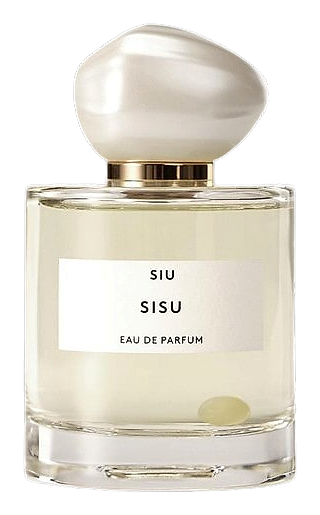
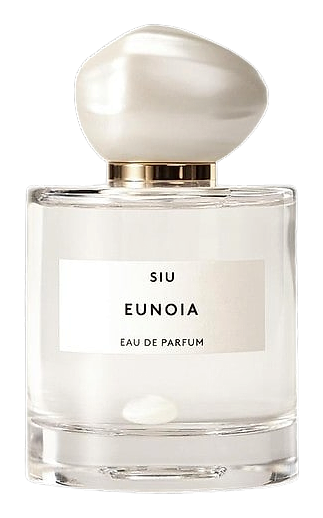
Eunoia takes its name from the Greek word for beautiful thinking, a concept rooted in classical philosophy, referring to a mind characterized by noble and virtuous thoughts. It's a curious choice for a fragrance, and deliberately so. SIU's collection of emotional abstracts has always worked in the space between language and sensation, naming feelings most perfumers would leave unnamed. Eunoia continues that project. Three perfumers, Maud Chabanis, Xavier Blaizot, and Batiste Humeau, collaborated on the composition. Rather than chasing the bold, room-filling projections common to modern niche releases, they built something that operates on a different register entirely. The aldehydes don't announce. They introduce. The florals don't bloom loudly. They unfold quietly, in their own time. The result is a fragrance that mirrors its namesake, beautiful thinking rather than beautiful noise.
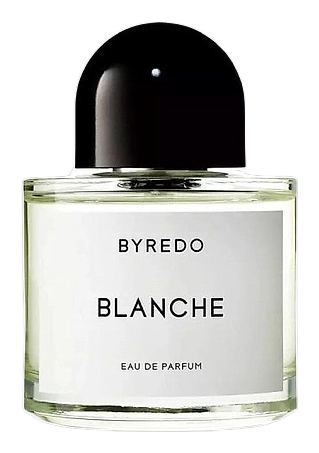
Aldehydes are having a complicated moment in contemporary perfumery. Associated with the grand dame classics of the 20th century, they carry connotations of formality, of occasion, of something almost ceremonial. The risk for any modern aldehydic composition is sounding retrogressive, a pastiche of what came before. Eunoia sidesteps this through structural restraint rather than innovation. The aldehydes here aren't waxy or heavy. They're cool and crystalline, closer to the aldehydes in Byredo Blanche than those in Chanel No. 5. They serve as a frame for the florals rather than the centerpiece.
The evolution
The opening is immediate and declarative. Aldehydes hit bright and cool, that distinctive crystalline shimmer that reads like sunlight on water. It doesn't build or develop in the conventional sense. It simply announces itself, then begins to soften. Within minutes, the florals begin their slow emergence. Violet leads, powdery and slightly sweet, with rose arriving as a gentler companion. The aldehydes don't vanish, they recede into the background, keeping the composition lifted and bright rather than allowing the florals to go heavy. This is a well-constructed handoff: no gap between phases, no jarring transition. By the second hour, the drydown settles in quietly. White musk and dry woods form a clean, close foundation. The violet lingers in its powdery register, something that smells like the memory of clean laundry rather than laundry itself. There's a tenderness to this stage, something intimate and private. The sillage drops dramatically, which is either the composition's greatest virtue or its most divisive quality, depending on what you're looking for.
Cultural impact
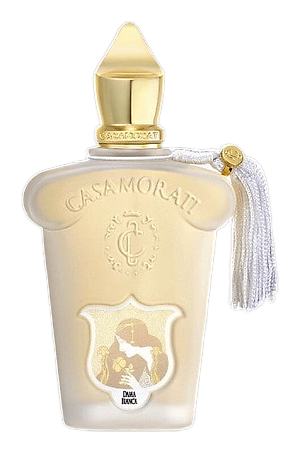
Eunoia occupies an interesting position within the contemporary niche landscape. It joins a small but growing category of aldehydic florals that appeal to wearers who appreciate the classics but want something lighter and less ceremonial. Fans of Byredo Blanche and Casamorati 1888 Dama Bianca tend to find resonance here. The fragrance rewards patience, both in its slow development and in its requirement that you get close enough to notice it. This is not a fragrance for those who want to be smelled from across the room, which makes it oddly democratic: the people who notice it are the ones worth noticing you.