

Heritage
A house, in its own words
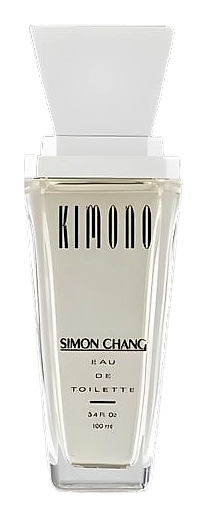
Simon Chang’s fragrance history begins with Kimono in 1989, a title that immediately evokes clothing, textile, and the visual culture of East Asia. Two years later, Maestro added a more formal, musically inflected name to the house’s early identity. By 2012, Kimono Chérie extended the Kimono line with a companion bearing the French word chérie, meaning “beloved.” That naming progression suggests a house comfortable with a cosmopolitan fragrance vocabulary, combining references that span Asia, France, and the European concert tradition. The available research material does not establish the company’s founding date, founder biography, original production location, or early commercial milestones beyond the documented launch years of these three fragrances. It also does not identify the perfumers responsible for Kimono, Maestro, or Kimono Chérie. Those details should not be inferred from the brand’s name or the cultural associations of its titles. What can be followed clearly is the chronology of the scent portfolio. Kimono appeared first, establishing a reference that the house later revisited with Kimono Chérie. Maestro followed in 1991, broadening the collection with a name associated with music and authority. The 2012 release of Kimono Chérie shows the endurance of the original Kimono concept and gave the house an opportunity to develop that lineage in a more romantic register. The supplied source set focuses broadly on the history of perfumery rather than Simon Chang itself, so it confirms the wider historical context in which fragrance developed but provides no independent account of the house’s corporate history. Simon Chang’s fragrance names appear to work as invitations rather than literal descriptions. Kimono suggests the sensory presence of cloth, the way a garment moves, and the private ritual of dressing. Maestro carries the dignity and composure associated with a conductor, a virtuoso, or a formal musical setting. Kimono Chérie adds tenderness and affection to the Japanese-inspired reference of Kimono. Together, these titles express a central idea that is visible in the available portfolio: perfume can act as a layer of personal identity, more evocative and intimate than a simple accessory. The house’s creative approach also appears to favor accessible cultural references. Rather than presenting exotic places through generalized marketing language, Simon Chang uses names with immediate visual and emotional associations. Kimono can call to mind color, texture, ceremony, and silhouette. Maestro can indicate rhythm, control, and performance. Kimono Chérie softens the first title through a French word, creating a hybrid identity that feels reflective rather than strictly documentary. No sourced material in the supplied research identifies a published manifesto, named creative director, or specific perfumery philosophy for Simon Chang. It would therefore be inaccurate to attribute ingredient choices, olfactory rules, or collaboration practices to the house without further documentation. The most defensible reading comes from the fragrances themselves and their names, which present scent as a means of storytelling, atmosphere, and personal expression.