Simon Chang
Born in Canton, China and raised in Vancouver, Simon Chang built a career at the intersection of fashion, image-making and scent. He studied photography and graphic design on a full scholarship from Hudson's Bay before moving to Montreal in the 1970s to begin his fashion work. That visual training still informs how he approaches fragrance: composition, contrast and the careful presentation of an idea. Over time, Chang became known for designing signature scents for prominent fashion houses, extending the logic of the runway and the editorial image into bottles. His work suits people who notice clothes before they notice perfume, and who expect the two to speak the same language. Precise details of his training and individual compositions remain inconsistently documented, but the outline is clear: a designer's eye, applied to olfaction.
The hits
Notable creations
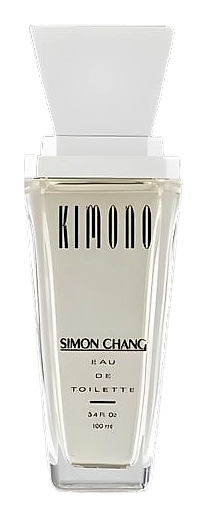
The signature
How Simon composes
Available sourcing on Chang's materials is limited, so any claim about preferred ingredients would be guesswork. What can be observed is the logic of his practice. Design-led fragrance tends toward clean geometry, with distinct top notes that announce the composition, a composed heart that carries its character, and a base that stays present on skin. Chang's fragrance work is associated with fashion houses and signature scents rather than a single note obsession. The strongest technical claim we can make is structural: he composes for clarity and for the space around the wearer, qualities that reward close attention rather than immediate shock.
Philosophy
What drives Simon
Chang treats fragrance as a design problem rather than a decorative layer. A scent has to hold its shape from first impression through drydown, much like a silhouette changes as the body moves. His background in photography and graphic design suggests a concern with framing, focus and negative space, qualities that translate well into perfumery through restraint and careful placement of accents. Fashion also teaches him that a fragrance must work in context, whether it belongs to a collection, a campaign or the life of the person wearing it. The driving idea is coherence: every element should earn its place, and the composition should remain recognizable without becoming predictable.
The houses