Heritage
A house, in its own words
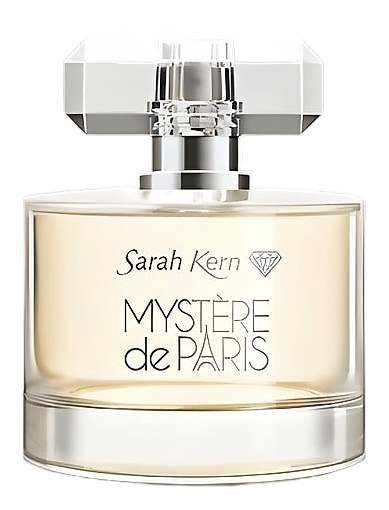
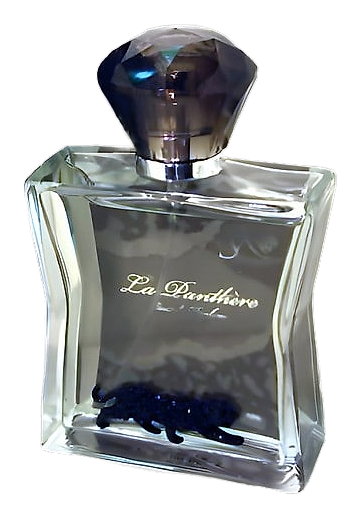
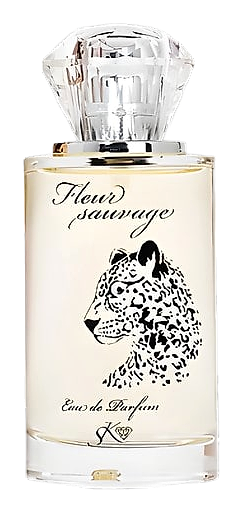
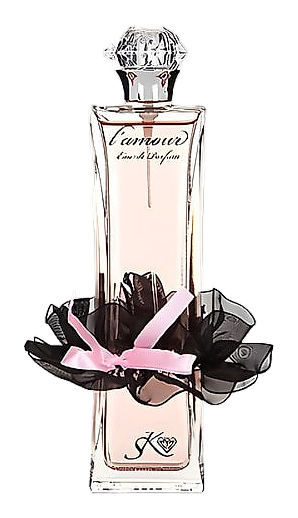
Sarah Kern began building the fragrance business in Germany in 2009, the same year that two of its defining scents were introduced. L'Amour and Fleur Sauvage both date to that first period, establishing the label's early identity, while La Panthere followed in 2010. The catalogue continued with Mystere de Paris in 2014, giving the young house a more narrative and cosmopolitan register. The brand emerged from Kern's broader creative career, which included fashion and interior design, disciplines that naturally shaped its interest in atmosphere, imagery and the presentation of fragrance as part of a larger lifestyle. Independent fragrance databases record four Sarah Kern scents spanning 2009 to 2014, a compact collection that has remained recognizable for its concentrated themes of romance, animalism and the city. The name Sarah Kern also carries a separate association with American Perfumer, the American niche fragrance company co-founded by David Kern. That connection is especially notable because the two namesakes have approached scent from different directions. David Kern helped build a platform for independent and unconventional perfumery, while Sarah Kern developed a designer-led collection under her own name. Public profiles of the company have described the house as German and have connected its identity to a meeting of French elegance and American openness, though the available evidence is strongest for the founding year, the German origin and the titles and dates of its releases. The result is a brand history built less on scale than on a clear early cluster of fragrances and a consistent design-led point of view. Sarah Kern treats fragrance as an expression of mood rather than a formula governed by a single decorative idea. The names of her first perfumes reveal the range of that instinct. L'Amour speaks directly to intimacy, La Panthere introduces a wilder, more assured character, and Fleur Sauvage suggests nature through a French lens. Mystere de Paris extends the vocabulary toward place and atmosphere, framing the city as both alluring and unknowable. This progression suggests that the central concern is not realism but suggestion, allowing floral, animalic and sensual themes to be translated into an abstract sensory experience. Kern's background in fashion and interior design is relevant to this method. Both fields rely on the relationship between material, silhouette, setting and emotion, and fragrance becomes part of the same designed environment rather than an isolated accessory. The label's independent catalogue has also been described as a synthesis of French elegance and American sensibility, a useful framing for a German house whose imagery occupies the space between classic perfume language and contemporary niche perfume. Its fragrances are frequently discussed in terms of memory and personal impression, qualities consistent with the intimate tone of titles such as L'Amour and Mystere de Paris. Because no individual perfumers are publicly linked in the available database, the authorship of these ideas is best understood through Kern's creative direction rather than attributed to a documented fragrance composer.