





Heritage
A house, in its own words
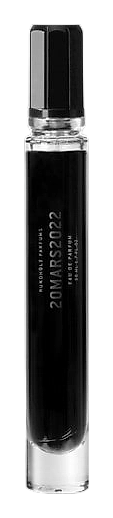
The Rundholz fashion house emerged from Germany in 1993, when the first collection debuted under the creative direction of Lenka Rundholz, whose background in display and visual presentation shaped the brand's architectural approach to design. By 2000, the first standalone shop opened in Düsseldorf, establishing a physical presence aligned with the house's emerging retail identity. The label expanded internationally with a Paris debut in 2005, marking a strategic move into the European fashion capitals that would define its positioning. Subsequent collections included RUNDHOLZ DIP in 2004 and RUNDHOLZ BLACK LABEL in 2006, each representing distinct creative phases within the broader brand universe. The decision to enter perfumery reportedly came from a desire to extend the brand's sensory language beyond fabric and form. The earliest fragrance edition dates from 2012, with the collection growing to encompass releases through 2024. Arturetto Landi, an Italian perfumer, has been the nose behind the fragrance line across this period, suggesting a long-standing creative partnership that predates most available public documentation of their collaboration. Rundholz approaches perfumery as narrative construction. The brand name methodology speaks to this: each fragrance carries a date or temporal marker that anchors it to a specific moment, real or imagined. SEPT.21.1966, FEB.14,1912, and 2024-june-2nd suggest personal archaeology, while AUGUST 7th 2088 ventures into speculative territory. This naming convention resists the generic luxury vocabulary of mainstream fragrance marketing. The brand reportedly seeks to create scents that function as olfactory memories or projections rather than purely aesthetic objects. German design principles inform the approach: structural clarity, functional restraint, and an emphasis on process over decoration. The collaboration with Arturetto Landi allows this conceptual framework to take material form, translating abstract temporal narratives into concrete olfactory experiences. Reviewers at specialty retailers have characterized certain releases as unusually atmospheric or dark, suggesting the philosophy prioritizes mood and presence over conventional pleasing aesthetics.