The Story
Why it exists.
The beginning
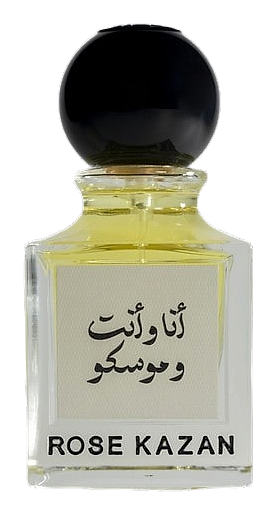
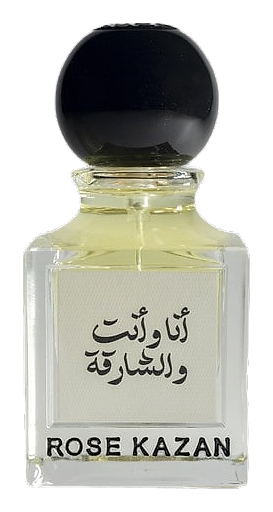
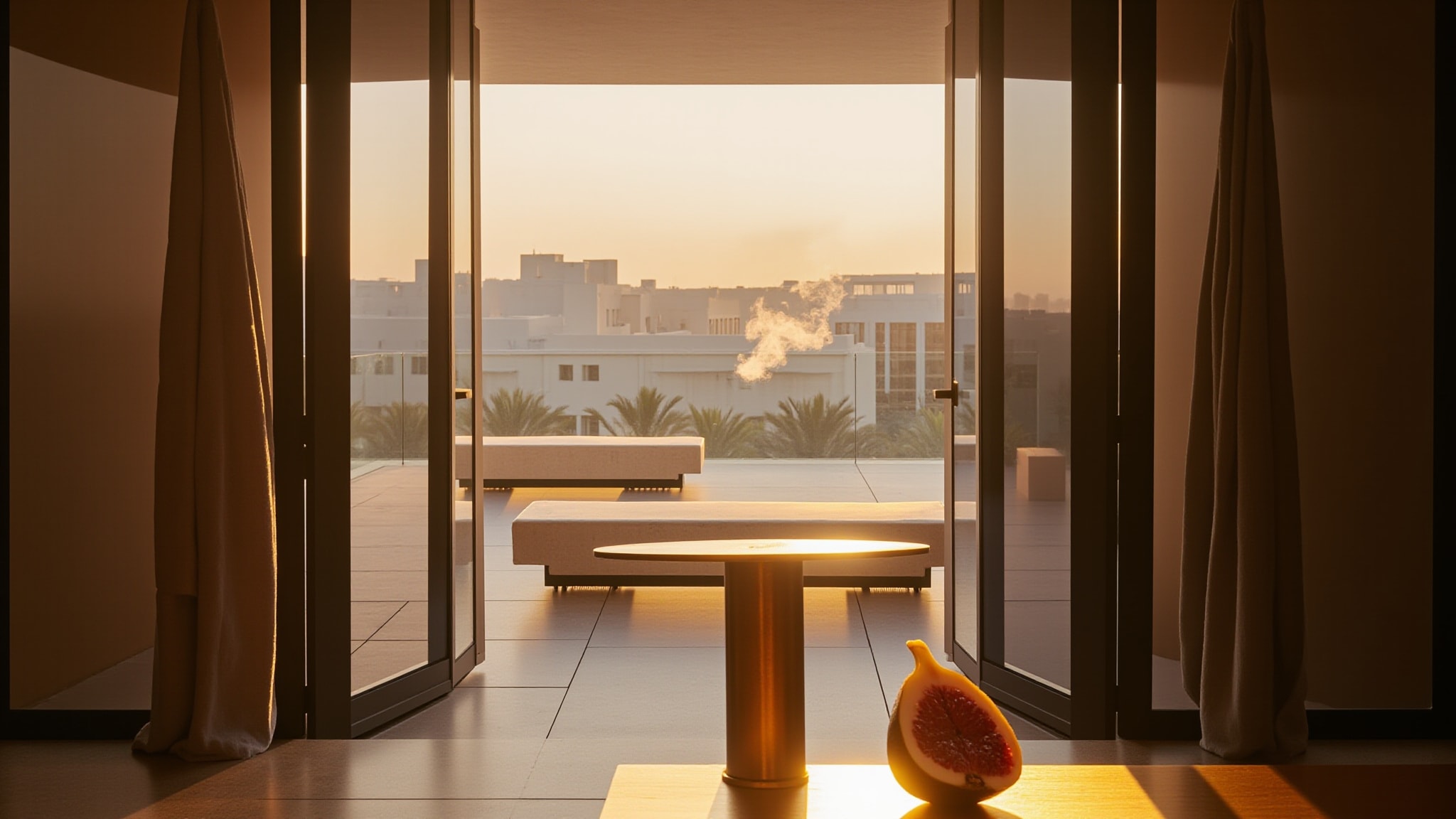
Ana Sharjah wears its geography on its sleeve. The name pairs Ana with Sharjah, the emirate where Rose Kazan has built its small but devoted following. Perfumer Abdel Rahman Alnaqbi built this 2025 release around a single idea: what happens when something soft and sweet meets the rough, smoky world of Arabian leather and resin. The fragrance leans into that restraint, refusing to shout what it could easily shout. It is named for a place, but it really wears like a person. Someone standing near you at a gallery opening, smelling like fruit that ripened in a souk and smoke that came from a courtyard three streets over. There is a quietness to the composition that feels deliberate, almost architectural, each note given room to settle before the next one leans in. The fruit does not blast.
The composition is built on three pillars, and the arithmetic matters. Fruity notes carry the opening, sweet enough to soften the eventual leather landing. Bakhoor sits in the middle, that specific Arabian resin-wood blend that usually dominates a fragrance on its own. Here it is treated as a bridge rather than a statement, connecting the fruit to what comes after. Leather anchors the base, but not the kind you'd find in a biker jacket. This is suede-soft, almost sueded, with the bakhoor's woodsmoke baked into its grain.
The evolution
The opening belongs entirely to the fruit. Juicy, slightly jammy, almost candy-like at the edge. Then the bakhoor wakes up, and the sweetness pulls inward, smoky and resinous rather than sugary. The leather arrives gradually, dry and warm, with the woodsmoke still curled through it like a habit. As the wear progresses, the bakhoor fades into memory, and what stays is leather over skin musk, close and worn-in. On fabric the next day: soft leather, faint fruit shadow, that specific ash-tray warmth of bakhoor long after it burned. Closer than expected. Quieter than expected. The drydown is where the fragrance earns its keep, because most compositions in this register either vanish into skin or refuse to come down at all. Ana Sharjah does neither. It settles into something that feels less like a perfume you are wearing and more like a room you have been sitting in for an hour.
Cultural impact
Ana Sharjah sits in an interesting spot. It draws on Arabian perfumery vocabulary, bakhoor and leather and resin, but treats those ingredients with a restraint that feels closer to European leather perfumery than to the heavier oud-and-resin compositions that often dominate the regional niche market. Wearers tend to be people who want one foot in European leather territory and one foot in Arabian resin tradition, without either side winning outright. The fragrance does not perform its Gulf identity. It does not wear its provenance as a badge.
The House
Rose KazanRose Kazan is a UAE-based perfume house crafting modern Middle Eastern fragrances from Dubai, where amber, spice, and floral traditions meet contemporary perfumery. Founded and led by Abdul Rahman Mohammed Al Naqbi, the brand builds originals alongside inspired takes on international scents, earning a quiet following among collectors who appreciate bold, long-wearing compositions rooted in regional perfumery culture.
The Creator
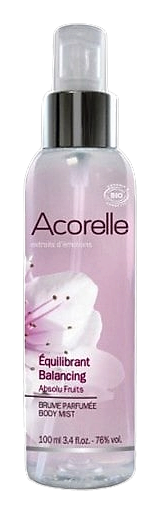
Abdel Rahman AlnaqbiAlnaqbi's signature leans into the rich and the edible. Gourmand notes appear throughout his work, with compositions like Cheese Cake and Absolu Fruits signaling a willingness to play with confectionery and fruit-driven accords.