Heritage
A house, in its own words
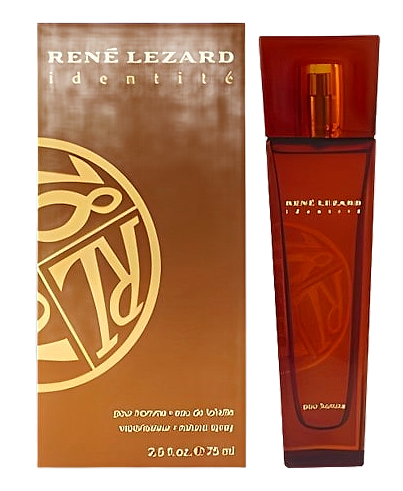
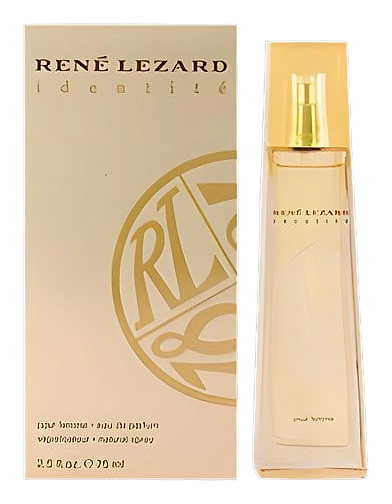
René Lezard Mode GmbH was founded in 1978 by Thomas Schaefer in Schwarzach, near Würzburg, Germany. From the start the label projected a Francophone sensibility, a deliberate choice of name meant to conjure French ease and elegance, even though the company itself operated entirely from Bavaria. The brand built its early reputation in women's ready-to-wear, establishing showrooms and a presence at major European fashion weeks through the 1980s and 1990s. The pivot into fragrance came in 1989, when the company released its first scent. For more than a decade this remained a singular extension of the fashion line rather than a full category. In 2002, René Lezard expanded that effort, launching a coordinated range of fragrances that treated scent as a complement to its clothing collections rather than a standalone business. The brand's most recognizable perfume introductions arrived in 2003, when both Identité for Men and Identité were released as a matched pair. These launches cemented René Lezard's place among European fashion houses that treat fragrance as part of a complete wardrobe concept. The company remained headquartered in Schwarzach, at Industriestrasse 2, where Schaefer continued to oversee both the fashion and scent sides of the business. René Lezard's fragrance philosophy mirrors the restraint found in its clothing: clean lines, considered proportions, and nothing extraneous. The house approaches scent the way a good tailor approaches a suit, focusing on fit and balance rather than embellishment. Identité for Men and Identité, released together in 2003, capture this sensibility. They are designed as complementary expressions of the same wearer at different moments of the day, a concept more common in French perfumery than in German fashion houses. The broader creative outlook stems from founder Thomas Schaefer's original positioning: borrow from French Romantic codes, execute with German precision. René Lezard's scent launches have consistently reflected that duality, offering compositions that feel European in their ease rather than tied to any single national tradition. The 2002 fragrance range expansion reinforced this by treating scent not as a marketing accessory but as a legitimate creative category deserving of the same attention as fabric and cut.