



Heritage
A house, in its own words
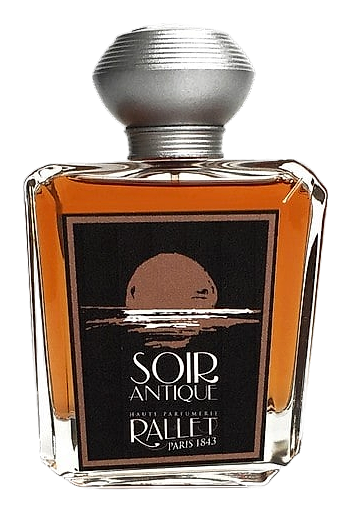
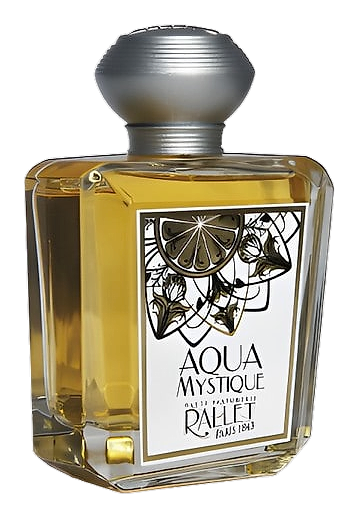
Alphonse Rallet arrived in Moscow from France in the mid-nineteenth century and opened his first perfume workshop in 1843. The house quickly earned a reputation for elegant compositions crafted with French precision, and it was not long before Rallet secured the prestigious title of official supplier to the imperial courts of Russia and Persia — a mark of excellence that set the standard for luxury perfumery across the empire. By 1900, Rallet had ascended to become Russia's leading manufacturer of fine perfumes, soaps, and cosmetics. The house occupied a unique position: French in technique and sensibility, yet deeply rooted in Russian culture and taste. Two landmark creations define this golden era. In 1912, the house released Bouquet de Napoleon — a fragrance that captured the pageantry of the Napoleonic centenary. That same year also saw the birth of Le No1 de Rallet, a perfume that would quietly reshape the history of scent. Robert Bienaimé, the perfumer behind its creation, would later found his own house, and Le No1 de Rallet stands as a critical precursor in the lineage that leads to some of the twentieth century's most iconic fragrances. The coronation of Tsar Nicholas II in 1896 inspired The Perfume in Honor of the Coronation in Moscow, a grand commemorative release that reflected the house's close ties to state ceremony. Le Gardenia de Rallet, first created in 1920, extended this legacy into the post-revolutionary period, demonstrating the house's remarkable ability to endure and adapt through political upheaval. Following decades of dormancy, Rallet was revived in the twenty-first century, drawing on its extensive archive of historical formulas to reintroduce its heritage scents to a new generation of collectors. Rallet's philosophy rests on the conviction that a fragrance house must honor its past without becoming imprisoned by it. The house views its two-century history not as a museum exhibit but as a living library — a source of genuine formulas, abandoned techniques, and forgotten aesthetics that deserve contemporary interpretation. The creative team behind Rallet's revival treats archival discovery as a form of curation. Each historical fragrance in the collection represents a specific cultural moment: a coronation, a season, a personal indulgence of the Russian aristocracy. Rather than recreating these scents verbatim, the house reinterprets them with modern materials and sensibilities, preserving their spirit while ensuring they function in today's world. This approach distinguishes Rallet from houses that simply reissue vintage bottles or invent nostalgic backstories. Every release carries documented provenance. Rallet also holds a distinctive position as a bridge between French and Russian perfumery traditions. The house embodies the encounter between Gallic refinement and Russian extravagance — a fusion that defined luxury in the late imperial period and gives Rallet's compositions a character unlike any other fragrance house, whether French, Italian, or Middle Eastern.