The Story
Why it exists.
The beginning
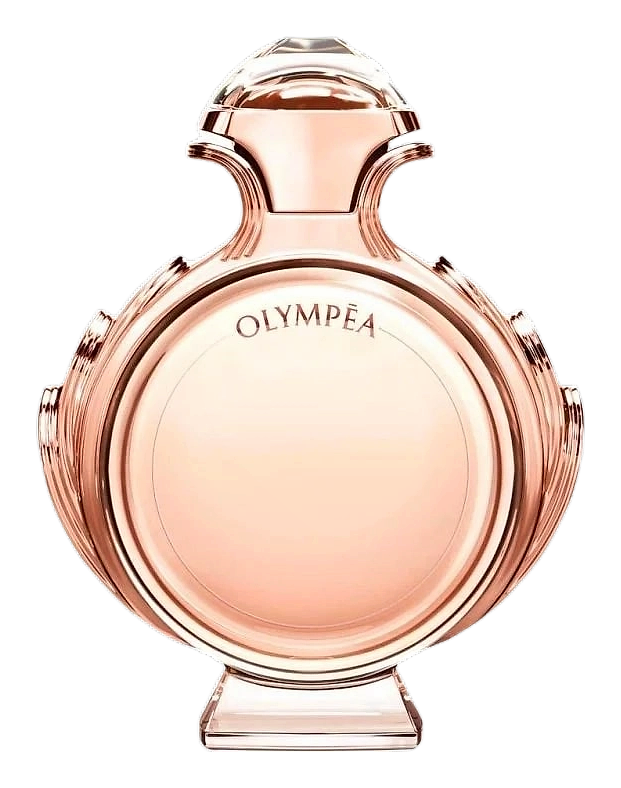
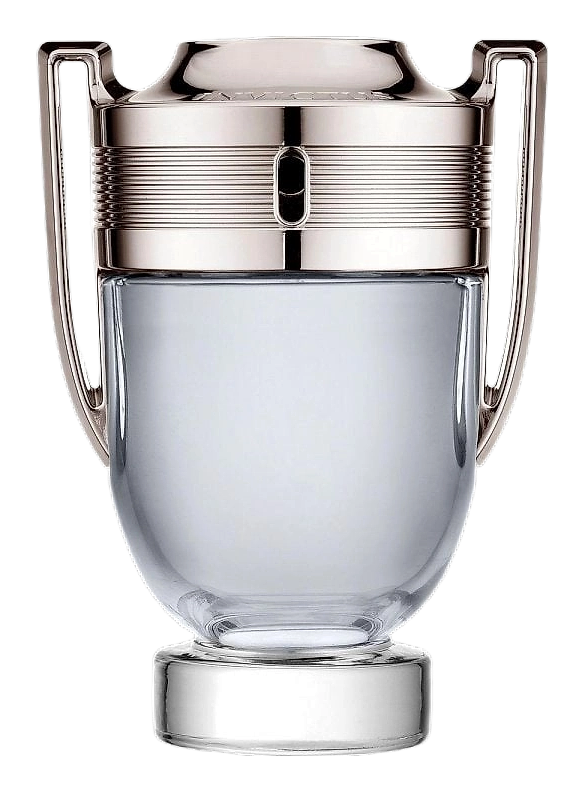
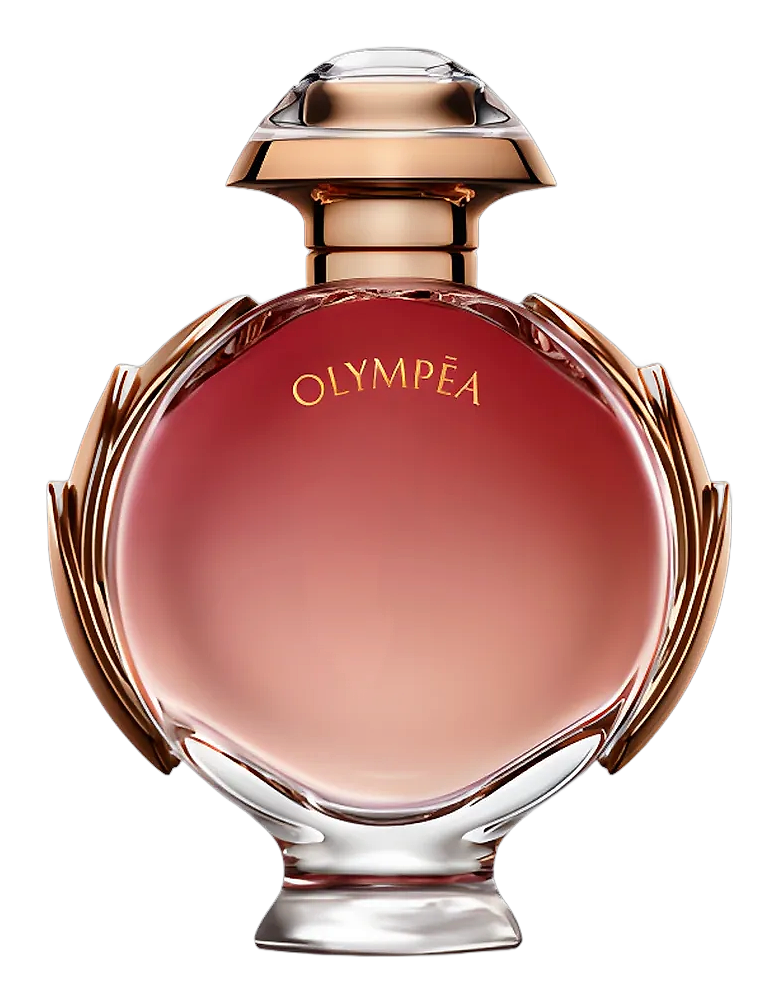
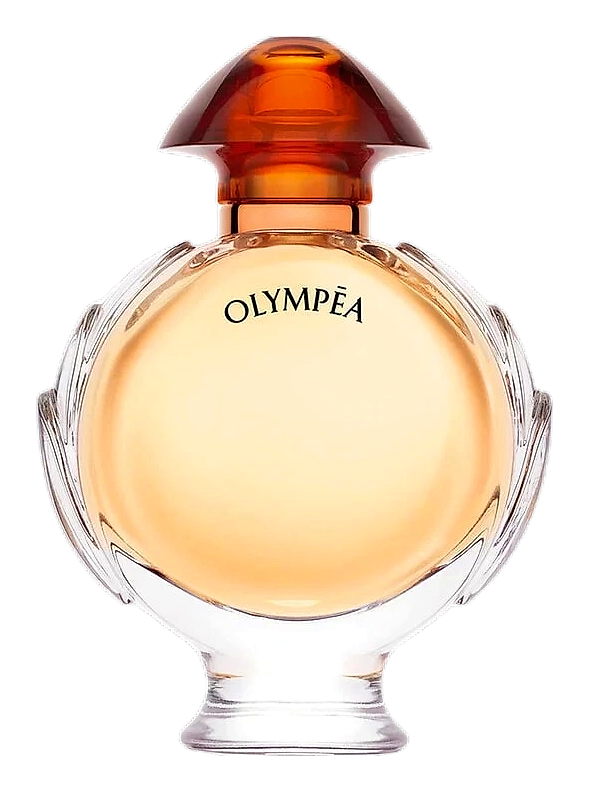
Olympea arrived in 2015 as the feminine counterpart to Rabanne's Invictus. Where Invictus borrowed from athletic competition, Olympea looked further back, to ancient Greece, to the idea of a goddess. Not a bride. Not a muse. A force of nature who decided her own terms. The perfumers Loc Dong, Anne Flipo, and Dominique Ropion were tasked with translating that concept into liquid. The result didn't follow the expected route of white florals over wood. It went somewhere stranger: the sea.
The salted vanilla accord is what makes Olympea work. Vanilla alone would be dessert. Vanilla with salt becomes something else, briny, warm, almost savory. The perfumers layered it against water jasmine and ginger flower, florals that read more aquatic than sweet. The ambergris in the base isn't prominent, but it's the anchor that keeps everything grounded in something mineral and alive rather than purely feminine and pretty. Cashmere wood adds the softness that makes it wearable instead of challenging. The combination is unusual enough to stand apart from the typical vanilla fragrance while remaining accessible enough to have mass appeal.
The evolution
The opening hits bright and green, mandarin orange that reads more citrusy than sweet. Thirty minutes in, the ginger flower arrives, clean heat that doesn't burn. Then the salted vanilla takes over. This is the turn. Salted vanilla isn't ice cream with a pinch of fleur de sel. It's brine and warmth locked in the same accord. Water jasmine keeps it cool while ambergris and cashmere wood settle close. The drydown is where it becomes personal. Ambergris, cashmere wood, and the ghost of vanilla wrap around the skin like something worn, not applied. The sillage lingers intimate and close, the kind that someone standing beside you will notice before you do.
Cultural impact
Olympea's salted vanilla accord drew attention for its unusual character, blending brine and warmth in a way that set it apart from typical vanilla fragrances. The combination of salted vanilla with aquatic florals has since become a reference point for how salted gourmand notes function in perfumery, cited when describing what that distinctive style actually smells like.
The House
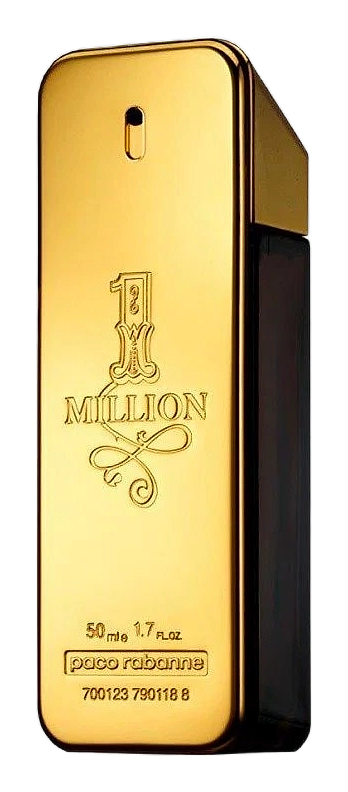
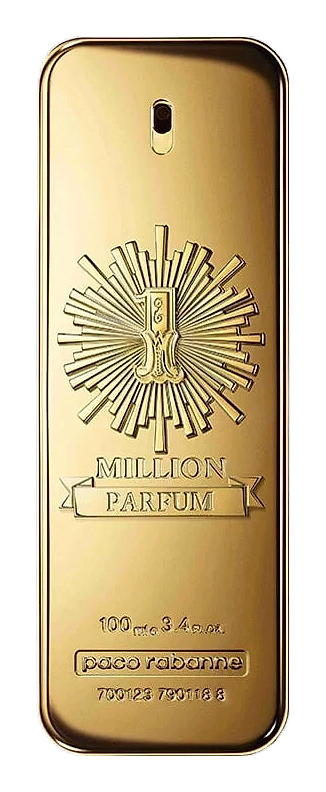
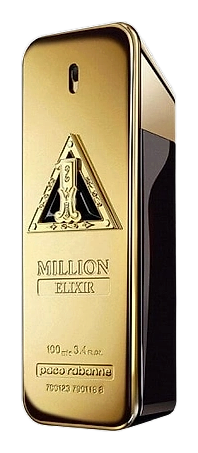
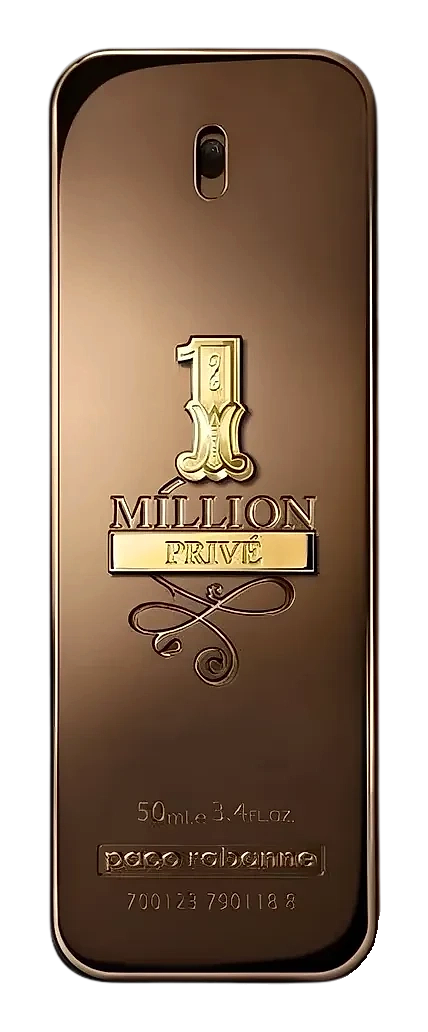
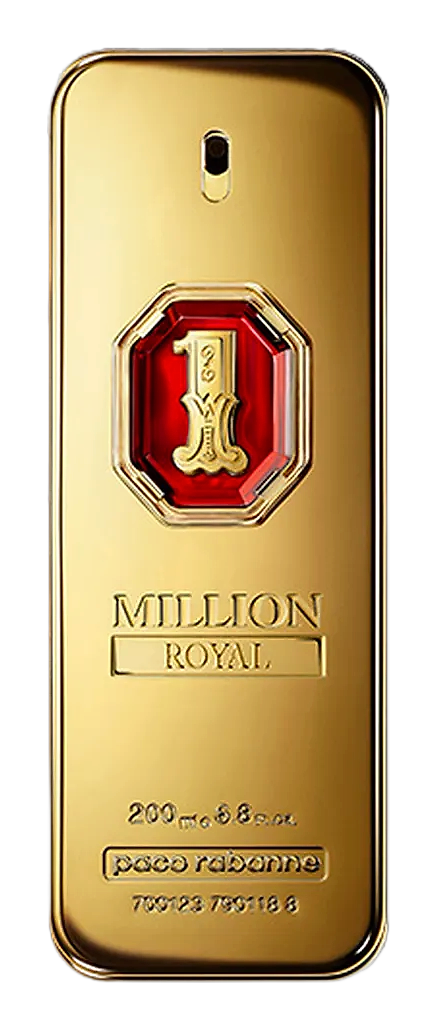
RabanneRabanne is a Paris-based fashion and fragrance house founded by Spanish-born designer Francisco Rabaneda Cuervo, known professionally as Paco Rabanne. The house established itself in perfumery through a partnership with Spanish fragrance company Puig, beginning with the 1969 launch of Calandre. The brand's olfactory identity draws from its fashion heritage: architectural construction, metallic materials, and provocative design language that challenged 1960s fashion conventions. Rabanne built a portfolio of over 85 fragrances spanning multiple decades, from aldehydic florals and aromatic fougeres to orientals and fresh aquatic compositions. The house's gold ingot-shaped bottle for 1 Million (2008) became one of the most recognizable fragrance silhouettes in global retail. Nadia Dhouib was appointed General Manager in April 2022 after serving at Galeries Lafayette, tasked with unifying the brand's fashion and fragrance voices and expanding audience reach. In mid-2023, the house rebranded from Paco Rabanne to simply Rabanne, completing that consolidation.
The Creator
Loc Dong & Anne Flipo & Dominique RopionDong's tropical upbringing gave him an unusually personal relationship with raw materials. Where other perfumers reference botanicals through abstractions, he knows these materials from memory, from childhood, from his hands in Vietnamese soil.