
The Story
Why it exists.
The beginning
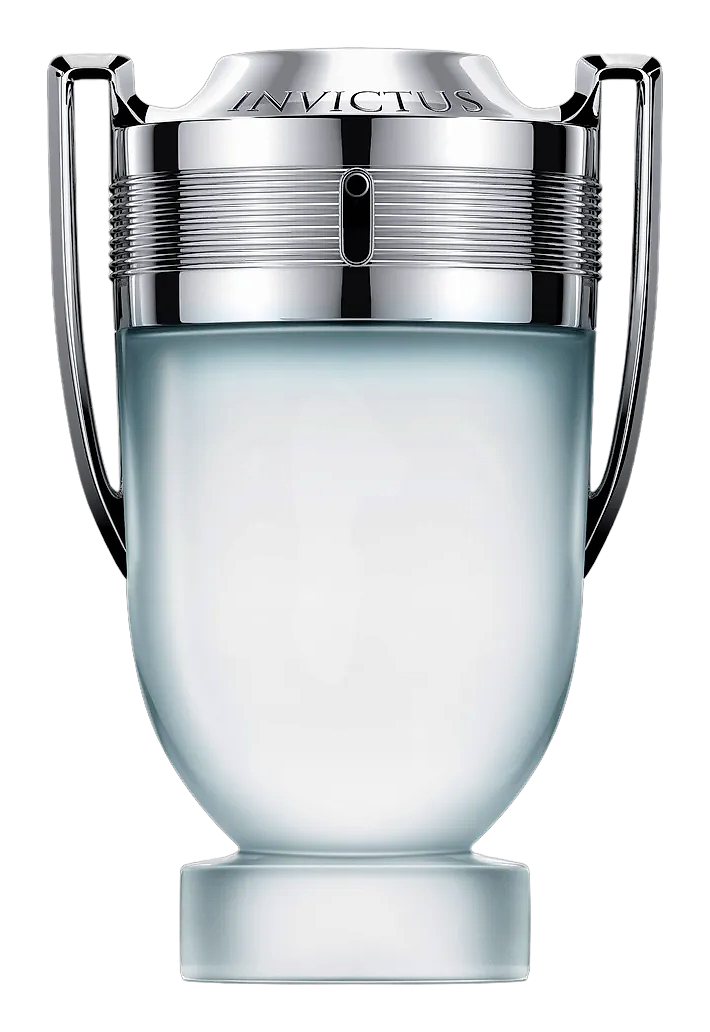
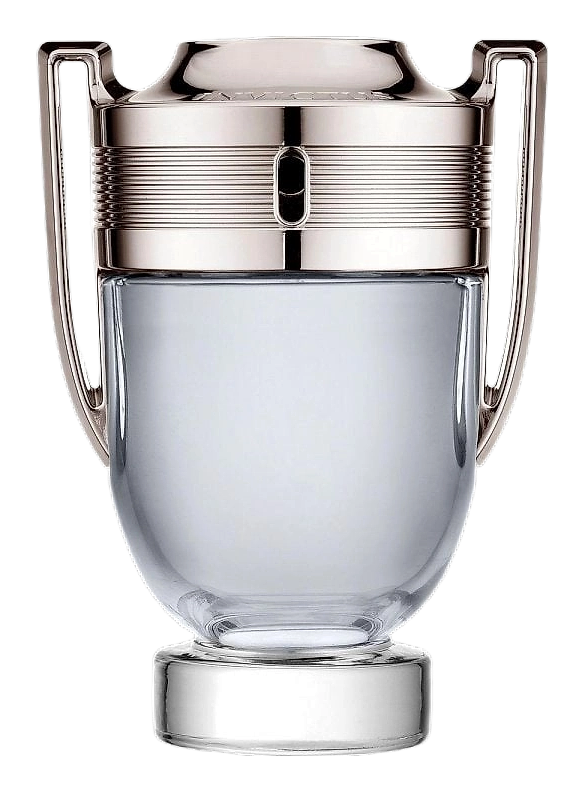
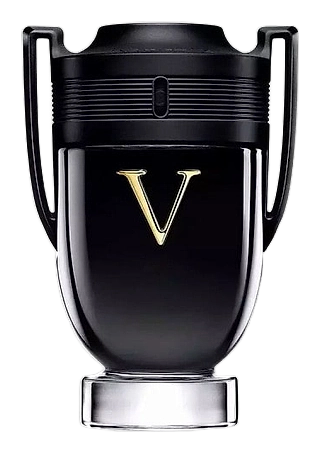
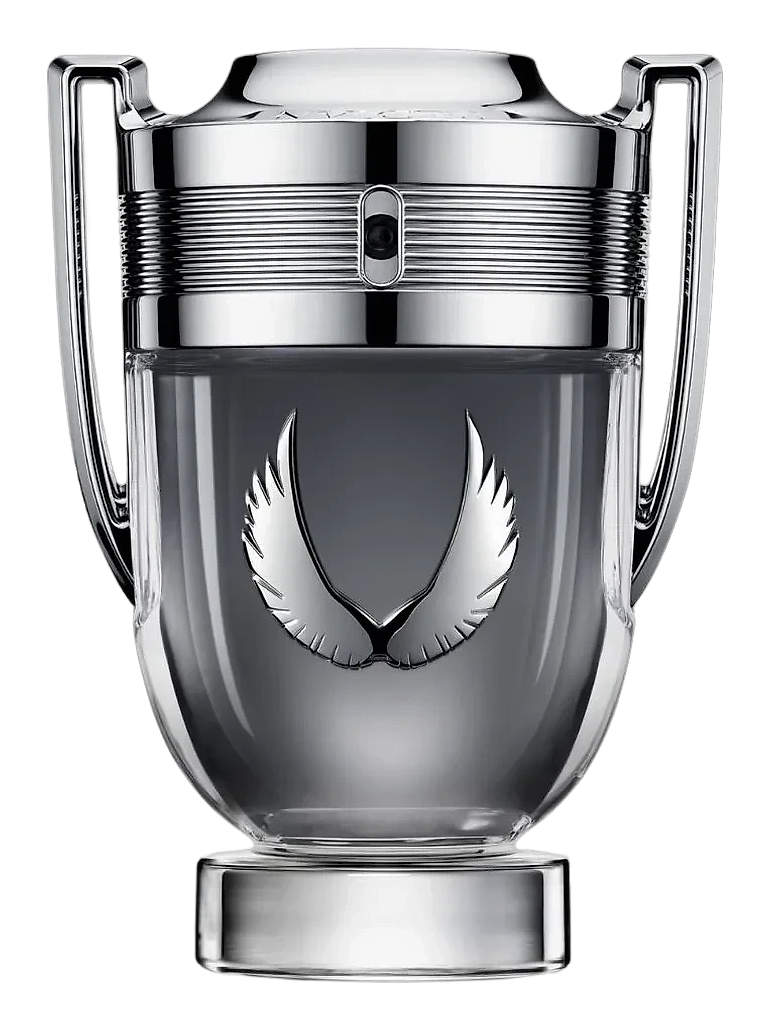
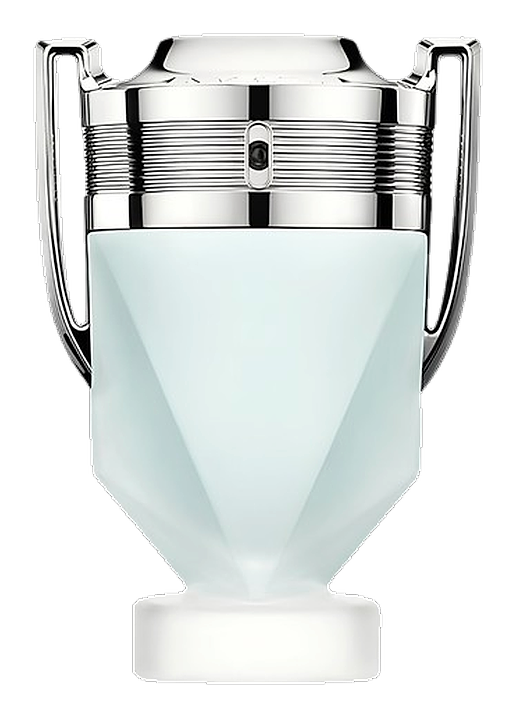
Invictus arrived as a challenge, conquer or be conquered. Invictus Aqua (2025) takes a different route from what came before. It's about what happens underneath the surface. The fragrance works as a deep dive into aquatic territory, pushing the marine accord into territory that feels fresh and intentional. The EDT concentration offers more material, more depth, less compromise. Where other fragrances announce themselves loudly, this one holds its breath and descends, exploring the depths rather than staying at the surface. The marine notes feel substantial, the citrus adds precision, and the amberwood base anchors the entire composition. It's a scent that builds slowly, revealing layers that emerge from beneath the surface as it settles into the skin.
Grapefruit is an obvious choice for marine fragrances, bright and recognizable. But used with precision, it becomes something else entirely. Here the citrus doesn't soften the ocean, it sharpens it. The sharpness makes the aquatic notes feel less like an afterthought and more like the heart of the experience. Amberwood arrives to provide warmth that keeps the marine accord from disappearing entirely. With only three notes, grapefruit, sea notes, and amberwood, the composition achieves a balance that feels both clean and substantial.
The evolution
Grapefruit opens the composition with an immediate crispness, not sweet, not synthetic, just clean citrus that cuts through the air. The marine accord arrives quickly, filling the space the citrus creates. For the next while, the fragrance moves between salt and citrus, neither one dominating. The aquatic notes deepen as the grapefruit fades, becoming less a smell and more a presence. Around the third hour, amberwood emerges. It doesn't replace the ocean, it completes it. The drydown offers warmth and cleanliness, with the marine accord settling into the base. On clothing, the scent lingers in the background.
Cultural impact
The aquatic category has grown significantly, with marine fragrances appearing across many brands. Invictus Aqua (2025) separates itself through commitment, the grapefruit doesn't soften, the amberwood doesn't hide, the marine accord doesn't apologize. The composition offers a clean, precise take on aquatic notes that feels intentional rather than formulaic. It appeals to those who appreciate a direct approach to maritime scents, finding strength in clarity rather than complexity.
The House
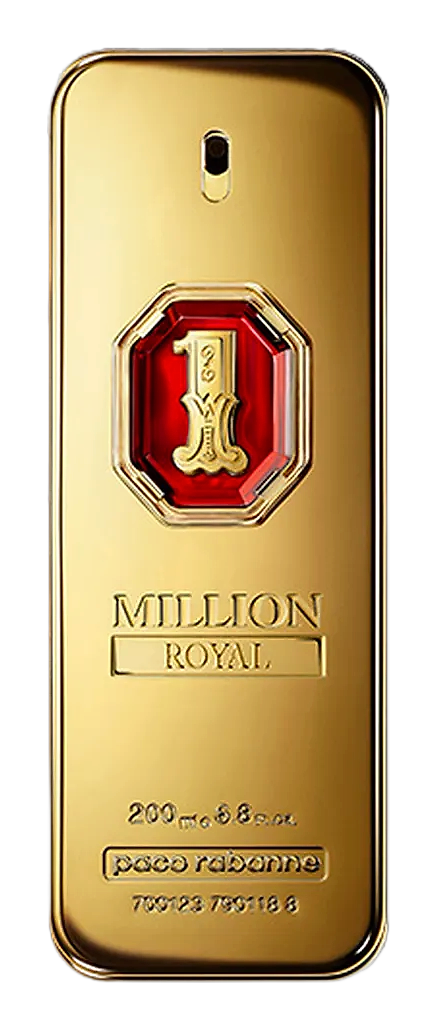
RabanneRabanne is a Paris-based fashion and fragrance house founded by Spanish-born designer Francisco Rabaneda Cuervo, known professionally as Paco Rabanne. The house established itself in perfumery through a partnership with Spanish fragrance company Puig, beginning with the 1969 launch of Calandre. The brand's olfactory identity draws from its fashion heritage: architectural construction, metallic materials, and provocative design language that challenged 1960s fashion conventions. Rabanne built a portfolio of over 85 fragrances spanning multiple decades, from aldehydic florals and aromatic fougeres to orientals and fresh aquatic compositions. The house's gold ingot-shaped bottle for 1 Million (2008) became one of the most recognizable fragrance silhouettes in global retail. Nadia Dhouib was appointed General Manager in April 2022 after serving at Galeries Lafayette, tasked with unifying the brand's fashion and fragrance voices and expanding audience reach. In mid-2023, the house rebranded from Paco Rabanne to simply Rabanne, completing that consolidation.
The Creator
Caroline Dumur & Anne FlipoCaroline favors bold structures built on a clear hierarchy. She often starts with a dominant natural note—jasmine, oud, or cedar—then weaves in a synthetic accent that adds depth or sparkle.