
The Story
Why it exists.
The beginning
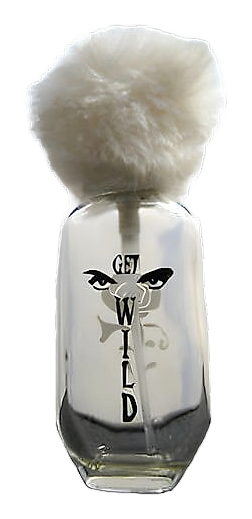
Prince released Get Wild in 1995 alongside The Gold Experience, an album arriving in the middle of his most public battle for creative control. Warner Bros. wanted him contained. He responded by expanding. The fragrance became another medium for that refusal: a scent attached to specific music, specific attitude, and nothing resembling a committee's input. The name said it all. Get Wild was a provocation wrapped in sweetness, built for whoever showed up wearing it.
What makes Get Wild unusual is its structure: a sweet-fruity opening that performs civility before the animalic core takes over. The musk doesn't arrive as a gradual fade, it asserts. This is a fragrance with a second act, and it's the one that stays with you. The animalic notes are the point, not an accident. On skin, this is where the sweetness earns its complexity.
The evolution
The first minutes smell like fruit, bright, accessible, almost innocent. Then the sweetness deepens as the animalic musk starts its slow takeover, moving from 'interesting' to 'present.' By the second hour, the civility has burned off entirely. What remains is warm, close, and unapologetic, the kind of drydown that only the wearer notices until someone leans in. The final hours smell like skin warmed under fabric, lingering past what you'd expect from something this bold.
Cultural impact
Get Wild exists as an artifact of a specific artistic moment, 1995, Prince at peak provocative energy, releasing a fragrance without a focus group. The animalic presence was deliberate, not accidental. For wearers who find it, the fragrance still reads as singular: sweet enough to attract, animal enough to be remembered.