The Story
Why it exists.
The beginning
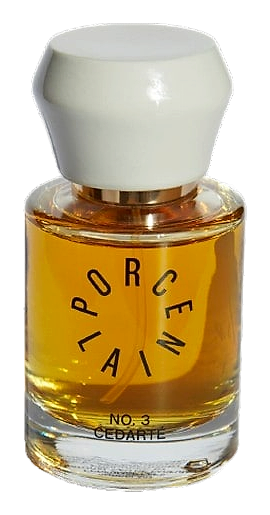
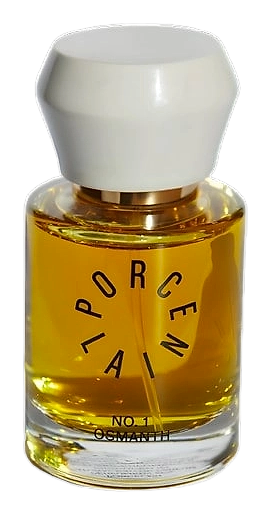
Osmanth traces its origin to a single obsession: the osmanthus flower that perfumer Stine Hoff encountered during a trip to Zhejiang province. The bloom's aroma is notoriously difficult to capture in perfumery, sitting somewhere between apricot jam, osmanthus tea, and worn leather. Hoff wanted to honor that complexity without overwhelming it. She began working with natural bergamot from Calabria as an opener, pairing it with the flower's creamy fruitiness to give the composition an initial brightness that felt both contemporary and grounded in botanical tradition. Porcelain Perfumery, founded in Copenhagen in 2019, provided the philosophy: all-natural formulations, slow craftsmanship, and a commitment to letting raw materials speak for themselves.
The decision to pair osmanthus with bergamot reflects a fundamental principle at Porcelain Perfumery: let the rare ingredient lead, and choose supporting notes that elevate without competing. Bergamot was selected because its citrus brightness complements the apricot tones in osmanthus while adding an aromatic freshness that keeps the heart from becoming too heavy. Juniper and myrrh were chosen for the drydown because their natural aromatic-resinous character harmonizes with osmanthus rather than overwhelming it, creating a base that feels botanical rather than synthetic.
The evolution
The arc of Osmanth begins with bergamot's clean citrus chirality, a sharp aromatic entry that immediately signals quality. Within minutes the osmanthus heart takes over, its apricot-laden sweetness softened by the waxy, tea-like qualities that make this note so singular. The perfume does not rush through its phases. As hours pass, juniper enters quietly, its cool pine providing a textual contrast to the warm floral above, and myrrh settles beneath like a low ember, offering resinous depth that lingers on fabric and skin long after the top notes have vanished. The progression feels deliberate and unhurried, each phase earning its moment.
Cultural impact
Since its 2020 debut, Osmanth has subtly influenced contemporary fragrance culture by reintroducing the rare Chinese osmanthus flower to a broader audience. Its clean, natural extraction methods resonated with the growing demand for sustainably sourced ingredients, encouraging other niche houses to explore botanical authenticity. The scent’s delicate balance of bergamot brightness and myrrh warmth sparked a trend toward lighter, season‑spanning compositions that avoid heavy synthetics. Collectors and reviewers noted its ability to bridge traditional Eastern floral motifs with Western minimalist aesthetics, prompting discussions in perfume forums about cultural exchange and the evolving definition of unisex fragrance.