The Story
Why it exists.
The beginning
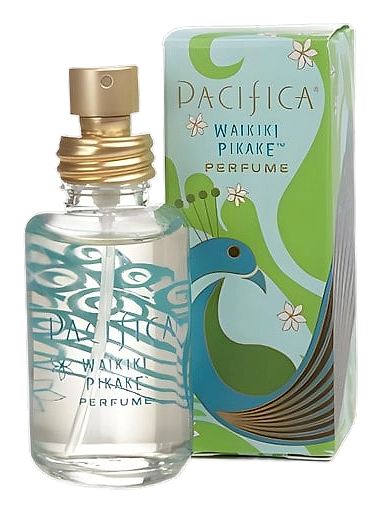
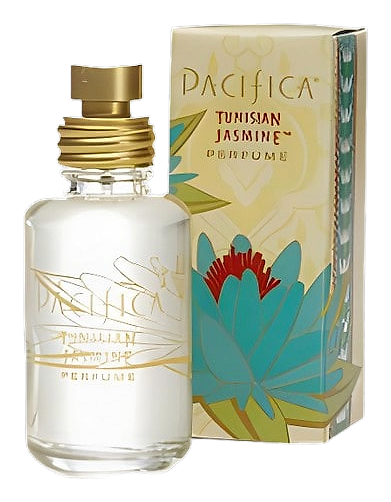
The name Tunisian Jasmine comes from a legend tied to Sidi Bou Said, the blue-and-white cliffside town outside Tunis. The story goes that a French soldier named Sain Louis fell in love with a local princess there. He changed his name, stayed, and became something like a saint to the town after his death. Her favorite flower was night-blooming jasmine, used as a symbol of mercy, hope, and the connection between two people from different worlds. Pacifica's fragrance is an ode to that story: jasmine at the center, framed by tea and almond as a nod to the Mediterranean warmth underneath the legend's tenderness.
What makes this composition work is restraint. Jasmine is often the loudest note in any fragrance, indolic, overwhelming, demanding space. Here, the tea keeps everything honest. It opens the composition with something almost mineral, something that refuses to let jasmine get sentimental. Then the almond enters. Not as a base note that anchors the drydown, but as a soft warmth that keeps the whole thing from floating away. The three notes work in tension: tea says stay sharp, jasmine says stay soft, almond says stay warm. Most jasmine fragrances pick one of those directions. This one refuses to choose.
The evolution
The opening hits first with tea, bright, slightly astringent, like green tea left to steep just long enough. Within the first phase, the jasmine takes over, but it's a restrained jasmine, more green stem than heady bloom. The transition is smooth; there's no jarring shift. As the scent develops, the almond surfaces. Not almond as in marzipan sweetness, something nuttier, slightly animalic. It lingers. The drydown on skin is this: jasmine still present but softer, the almond warmth now dominant, a skin-close presence that stays intimate. On fabric, the jasmine fades within a few hours but the almond keeps a faint, warm trace into the next day. This fragrance has the ability to remain present without ever becoming overwhelming, offering a subtle and refined presence throughout its wear.
Cultural impact
Tunisian Jasmine has quietly built a following among people who want jasmine without the usual drama. It's not a statement fragrance, it doesn't announce itself across a room. But the people who stop and ask what you're wearing are catching the drydown. The almond warmth and the restrained jasmine create something intimate and personal. It's the kind of fragrance that reads as confident rather than loud, which makes it rare in the white floral category. Those who have been wearing it for years appreciate its quiet credibility and the way it consistently delivers understated elegance.