
Heritage
A house, in its own words
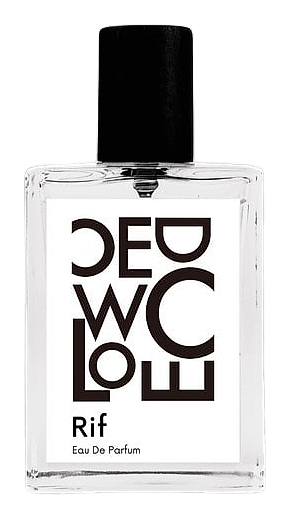
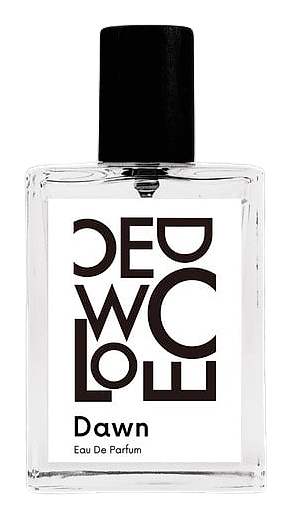
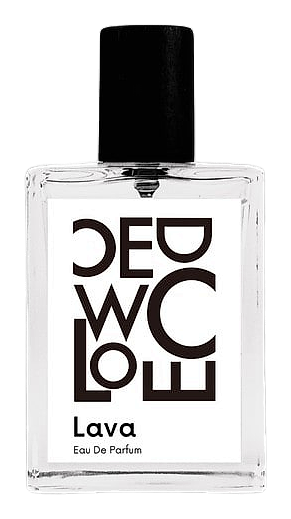
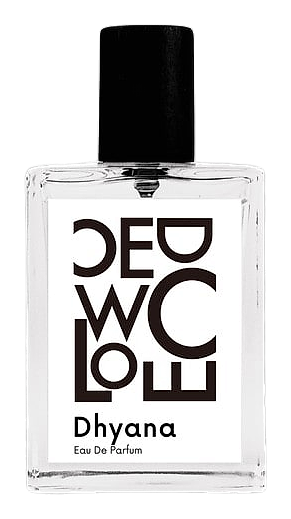
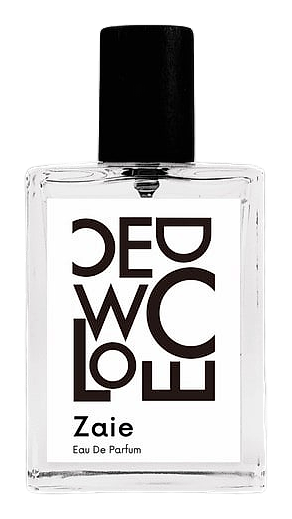
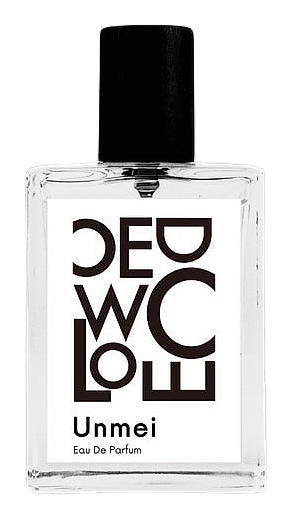
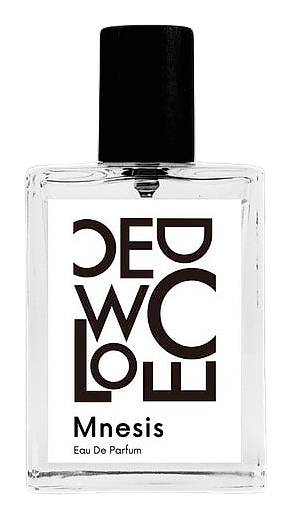
OCO began in 2023, according to both its own brand material and independent coverage from Centrestage 2026. The company is rooted in Hong Kong and founded by Moon Li, details repeated across third-party and brand-associated sources. Its early identity developed around fragrance as a means of personal expression, with artistic packaging intended to reflect the wearer’s character. The “urban oasis” concept gives this idea a more specific setting. Rather than treating perfume only as a private adornment, OCO places scent within the texture and intensity of urban life, suggesting an imagined space of calm or possibility inside the city. Its listed fragrances, Lyvn, Lava, Zaie, Mnesis, Unmei, Dhyana, Rif, and Dawn, are all associated with 2023. That concentration suggests a deliberate launch-era collection, although the available sources do not explain the individual concepts or development of each scent. OCO’s service profile broadens the house beyond a conventional retail label. It presents scented product creation, gifts, branding, customization, environmental scent services, aroma composition, and diffusion methods as connected areas of practice. This makes the brand’s history less about inherited perfumery traditions and more about a new Hong Kong practice built around design, atmosphere, and collaboration. Publicly available evidence remains limited after the founding year. No confirmed perfumer credits, manufacturing locations, awards, or sales milestones appear in the supplied research, so the brand’s heritage is best understood as an early-stage independent identity rather than a long institutional history. OCO approaches fragrance as an expressive art form with both an emotional and visual dimension. The brand’s own description centers on artistic design that reflects personal character, while independent coverage identifies an “urban oasis” and a futurist perspective as foundational concepts. Together, these ideas suggest that scent is intended to create a shift in experience, not merely complete an outfit. The urban setting is especially important to OCO. A city can be crowded, fast-moving, and demanding, yet fragrance can act as a small, personal counterpoint, shaping how a moment feels or inviting an imaginative pause. OCO’s name and creative framing also support a sense of mystery, abstraction, and possibility, qualities reflected in titles such as Mnesis, Unmei, and Dhyana. The names are presented as part of the brand’s expressive world, though the supplied sources do not provide enough information to define each one or assign a specific narrative to it. The house’s wider service menu reinforces this approach. Product creation, gifting, branding, customization, and environmental scent are treated as forms of composition rather than simple manufacturing categories. The emphasis is on how scent changes atmosphere, communicates identity, and fits a designed environment. This is a brand philosophy built around atmosphere and interpretation. OCO does not present fragrance as a fixed statement of status, but as a material for mood, imagination, and self-definition. Available sources do not establish a formal sustainability program or a codified perfumery manifesto, so those values should not be inferred beyond the evidence.