

    Brand Profile

    Notebook is a niche fragrance house that debuted in 2019 with a concise catalogue of dual‑note compositions. Each scent pairs two ingredient…More

    United Kingdom·Est. 2019·Site

    4.3

    Rating

    7
    Citrus & Green Tea by Notebook
    Best Seller
    4.3

    Citrus & Green Tea

    Bergamot & Sandalwood by Notebook
    Best Seller
    4.4

    Bergamot & Sandalwood

    Patchouli & Cedarwood by Notebook
    Best Seller
    4.2

    Patchouli & Cedarwood

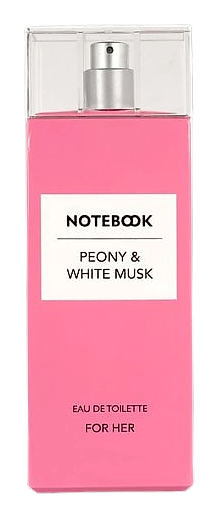
    Peony & White Musk by Notebook
    3.9

    Peony & White Musk

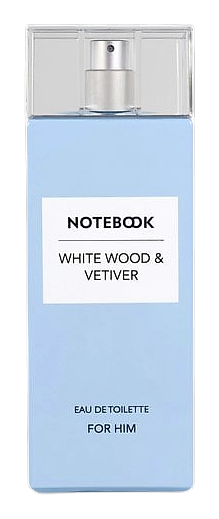
    White Wood & Vetiver by Notebook
    3.9

    White Wood & Vetiver

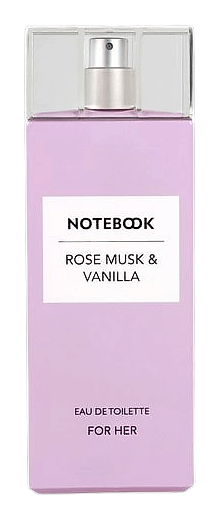
    Rose Musk & Vanilla by Notebook
    3.8

    Rose Musk & Vanilla

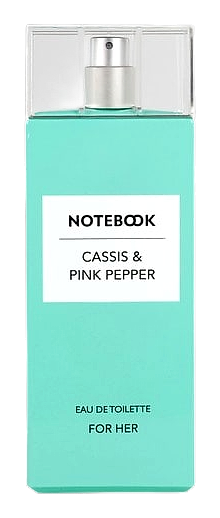
    Cassis & Pink Pepper by Notebook
    3.7

    Cassis & Pink Pepper

    The Heritage

    The Story of Notebook

    Notebook is a niche fragrance house that debuted in 2019 with a concise catalogue of dual‑note compositions. Each scent pairs two ingredients that converse rather than compete, offering a clear, wearable experience. The brand positions its creations as everyday companions, designed for people who appreciate scent as a quiet, personal ritual. By limiting the palette to a handful of releases, Notebook keeps its focus on consistency and subtlety, inviting wearers to explore nuance without the clutter of overly complex accords.

    Heritage

    The story of Notebook begins in the spring of 2019 when a small collective of fragrance enthusiasts in London decided to strip back the traditional perfume launch model. Rather than chasing seasonal trends, they set out to produce a line of scents that would remain relevant year after year. The founders, who remain unnamed in public filings, drew inspiration from the simplicity of a writer's notebook – a place where ideas are recorded plainly and revisited often. Their first release, Bergamot & Sandalwood, arrived in September 2019 and was followed by five more pairings within the same year: Patchouli & Cedarwood, Citrus & Green Tea, Peony & White Musk, White Wood & Vetiver, Rose Musk & Vanilla, and Cassis & Pink Pepper. Each launch was accompanied by a modest press kit and a limited run of 1,000 bottles, a strategy that emphasized scarcity and craftsmanship over mass distribution. In early 2020 the brand secured a partnership with a boutique bottling facility in Somerset, allowing it to maintain control over glass quality and packaging finishes. By 2021 Notebook introduced a refill program, encouraging customers to reuse their original bottles and reduce waste. The initiative earned a mention in a sustainability roundup published by a UK lifestyle magazine. In 2022 the house celebrated its third anniversary with a limited‑edition amber‑tinted version of its original Bergamot & Sandalwood, a nod to the brand’s early aesthetic. Throughout its brief history, Notebook has remained independent, avoiding acquisition offers from larger conglomerates and preserving its original ethos of quiet, purposeful fragrance making.

    Craftsmanship

    Every Notebook bottle begins with a hand‑blown glass vessel produced in a family‑run workshop in Somerset. The glass is thick enough to protect the fragrance from temperature fluctuations, yet light enough to feel comfortable on the wrist. The brand sources its essential oils and aroma chemicals from established European and Asian farms that hold certifications for organic or fair‑trade practices where available. For example, the sandalwood used in the inaugural Bergamot & Sandalwood originates from a certified plantation in Western Australia, and the patchouli in the Patchouli & Cedarwood blend comes from a small cooperative in Indonesia that practices shade‑grown cultivation. Notebook mixes its accords in a temperature‑controlled lab, employing a small team of trained perfumers who follow a documented formula for each scent. Quality control includes gas‑chromatography testing to verify the concentration of key ingredients, ensuring each batch matches the original release profile. The brand caps its fragrances at 15 % aromatic concentration, a level that balances longevity with subtlety. Bottles are sealed with a screw‑top that incorporates a tamper‑evident liner, and each unit receives a hand‑applied label printed on recycled paper. The refill program uses the same glass vessel, cleaned and sterilized in an industrial autoclave before refilling, reducing material waste by up to 70 % compared with single‑use packaging.

    Design Language

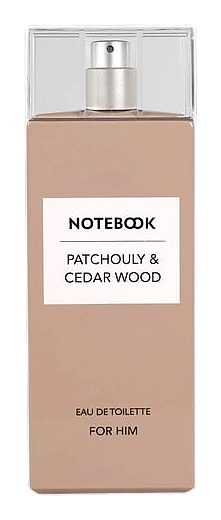
    Notebook’s visual language mirrors the simplicity of its scent philosophy. The bottle features a clear, cylindrical shape with a thin, matte‑black cap that feels cool to the touch. A thin gold line runs vertically along the side, denoting the specific duo inside; the line’s hue changes with each release, providing an instant visual cue. The brand’s logo, a handwritten serif wordmark, appears on a white label that includes the two ingredient names in lowercase, set in a modest sans‑serif typeface. Packaging boxes are made from 100 % post‑consumer recycled cardboard, printed with minimal ink in a soft, pastel palette that references the dominant note of each fragrance. Marketing imagery often shows the bottle placed on a wooden desk beside a notebook, a pen, or a cup of tea, reinforcing the everyday ritual theme. The overall aesthetic feels like a quiet study space rather than a glamorous runway, inviting the consumer to pause and reflect.

    Philosophy

    Notebook treats scent as a daily note rather than a theatrical performance. The creative vision rests on the belief that fragrance should support memory, mood, and routine without demanding attention. The brand values transparency, sourcing ingredients that can be traced to their origin, and it favors suppliers who practice sustainable harvesting. Its approach to perfumery emphasizes balance: each duo is calibrated so that the top note introduces the scent, while the base note lingers, creating a seamless transition that mirrors the flow of a written thought. Notebook also encourages personal interpretation; the minimal composition leaves space for the wearer’s skin chemistry to shape the final impression. Community feedback informs future releases, but the house resists trend‑driven changes, preferring to refine its core formulae. This restraint reflects a broader commitment to durability – both in the scent itself and in the brand’s environmental footprint.

    Key Milestones

    2019

    Launch of the inaugural collection of seven dual‑note fragrances, beginning with Bergamot & Sandalwood.

    2020

    Partnership established with a Somerset glass workshop, securing in‑house bottle production.

    2021

    Introduction of a refill program, allowing customers to reuse original bottles and reduce waste.

    2022

    Release of a limited‑edition amber‑tinted version of Bergamot & Sandalwood to mark the brand’s third anniversary.

    2023

    Featured in a UK sustainability roundup for its low‑waste packaging and ethical sourcing practices.

    At a Glance

    Brand profile snapshot

    Origin

    United Kingdom

    Founded

    2019

    Heritage

    7

    Years active

    Collection

    1

    Fragrances released

    Avg Rating

    4.3

    Community sentiment

    notebookfragrance.com

    Did You Know?

    Interesting Facts

    Distinctive details and defining moments that shape the house personality.

    01

    The brand’s name was chosen because the founders wanted each scent to feel like a personal note you could return to repeatedly.

    02

    Notebook sources its sandalwood from a plantation that re‑plants a tree for every kilogram harvested.

    03

    The refill program’s cleaning process uses steam at 121 °C, a temperature high enough to eliminate microbial contaminants without chemical additives.

    04

    Each fragrance’s top and base note were selected to have overlapping volatility ranges, creating a seamless scent evolution on the skin.