The Story
Why it exists.
The beginning
Woud began as a study in contrasts: the sensory memory of being indoors while nature rages outside. The name is intentional, dense, layered, a place where light barely reaches. What emerged is a fragrance that reads like a cabin evening, not the idealized version, but the real one. There's the crackle of embers, the weight of smoke that curls rather than overwhelms, and underneath it all, a slight animal warmth, skin and wood and that resinous depth that only comes from things that have burned. It's cozy without being sweet, smoky without being aggressive, the kind of scent that wraps around you like a worn blanket rather than announcing itself to the room.
What makes Woud unusual is the cashmeran. Cashmeran brings a tactile quality, the sensation of something soft against skin, that tempers the smoke and gives the fragrance its characteristic intimacy. Combined with bourbon vanilla and a calculated dose of campfire accord, the result is a smoky fragrance that doesn't perform. It sits close. It warms. It rewards the wearer, not the room. The cashmeran emerges gradually, adding a skin-like warmth that makes the smoke feel like it's coming from the room itself rather than being applied to it.
The evolution
The opening announces itself immediately: vetiver and woodsmoke, the smell of a fire just lit. There's a green undertone here, almost forest-floor damp, that gives it a natural quality before the cashmeran softens everything into cashmere. The smoke doesn't disappear, it settles, becomes part of the fabric rather than the announcement. The oud arrives quietly, threading through the drydown alongside cedar and a vanilla that reads more warm than sweet. As the hours pass, you're left with a skin-scent: powdery, slightly animal, intimate. The next morning, there's a faint trace of cedar and smoke, like opening a book you'd left by the fire. On fabric, the fragrance lingers long after you've left it behind.
Cultural impact
Woud is smoky without being confrontational, woody without being heavy, sweet without being gourmand. The divisive reviews reflect a fragrance that commits to a specific mood: the cozy chalet evening, cashmere and fire, chosen over the party. It's the scent of earned comfort, intimate and personal. The character is for the wearer. For those seeking something that feels like chosen comfort rather than performed presence, this fragrance offers a compelling alternative in a landscape of louder options.
The House
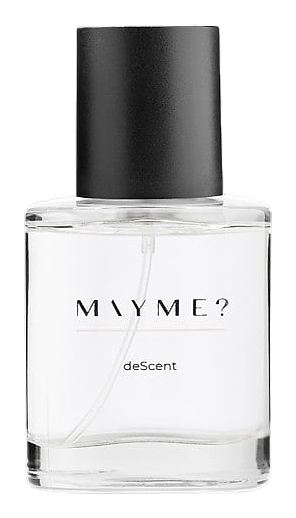
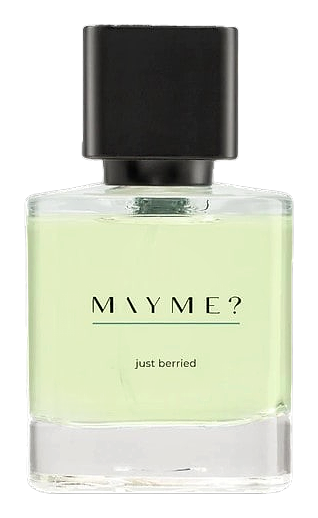
MAYME?MAYME? is a niche fragrance house that positions itself as the first perfume brand founded by a team of flight attendants. The brand crafts its fragrances in Grasse, France, and emphasizes compact, travel-friendly formats that reflect the mobility of their founding team. Each scent is formulated according to International Fragrance Association requirements. The collection spans from 2020 onward, with offerings like woud, just berried, deScent, smoky ice, noBody, pardon my french, and Thé Sage. Founder Marie reportedly named the brand using the first letters of her children's names, adding a personal dimension to the label that includes a question mark. The brand's origin story centers on olfactory experiences gathered from international travel, translating airborne memories and cross-cultural sensory encounters into wearable fragrances.
The Creator
Maria MolchanovaMolchanova gravitates toward rich, warm materials with natural complexity. She has developed particular expertise with honey accords, using them to bridge sweetness and depth in ways that feel neither predictable nor cloying.