Heritage
A house, in its own words
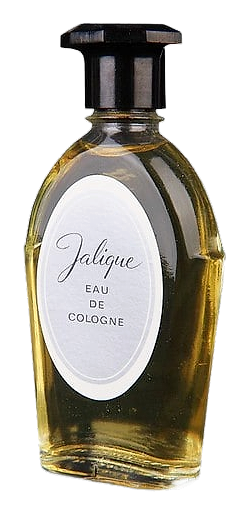
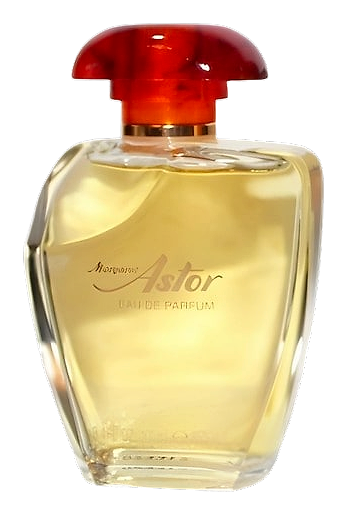
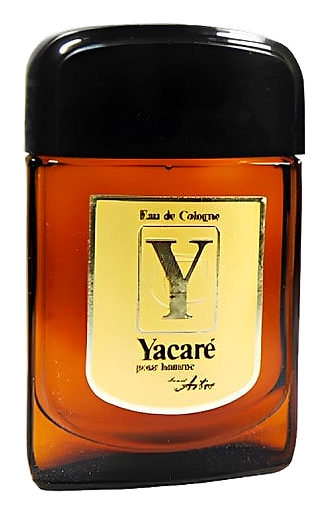
Margaret Astor traces its roots to the postwar consumer boom in West Germany. Wilhelm Boelcke, who owned the Mainz-based parent company Blendax-Werke, established the fragrance label in 1952 as a way to extend the firm's reach into personal care. The chosen home, Mainz, sat in the heart of a Rhineland chemical and cosmetics cluster that had been producing toiletries, dental goods, and soaps for generations. Boelcke oversaw a steady build of the line through the 1950s and 1960s, positioning Margaret Astor as an aspirational, distinctly feminine scent label within the broader Blendax portfolio. The first widely catalogued fragrances appeared in the 1970s. Jalique arrived in 1975, followed by the woody masculine Care in 1979, then the floral flagship simply called Margaret Astor in 1980, and the green-leaning Yacaré in 1981. Woman, a floral-fresh composition, followed in 1994. By the late 1980s the label had grown beyond what its original parent could manage in house, and in the early 1990s the Benckiser Group acquired the Margaret Astor business. Benckiser, already a household name in German cleaning and personal-care products, eventually merged with the Italian group Migros to form Reckitt Benckiser in 1999, and through these consolidations the Margaret Astor catalogue passed along a chain of corporate ownership. A subsequent licensing partnership with Coty brought outside perfumery expertise to several later releases, including continued care-themed editions. The brand's trajectory, from a 1952 Mainz startup to a multi-decade fixture of German perfumery now sitting within an international consumer-goods lineage, is a quiet example of how mid-century European cosmetics houses were absorbed into the larger structures that define the industry today. Margaret Astor's approach to fragrance was rooted in a postwar German idea of attainable quality: scents engineered for ordinary consumers who still wanted proper structure and recognisable style. The label concentrated on a handful of well-defined olfactive directions rather than chasing every trend, building a catalogue that stayed comparatively disciplined as competitors expanded. Early releases leaned on classic masculine chypres, green florals, and soft, accessible women's florals, each designed to perform consistently in everyday contexts. The decision to bring Coty into the development process for later releases signalled a willingness to pair German market sensibility with external perfumery skill, while the themes of the fragrances themselves, particularly the recurring focus on personal care, suggest a brand philosophy that has always treated scent as part of daily grooming rather than as ceremony or art object. Margaret Astor's quiet refusal to inflate itself into a luxury house, even as German cosmetics went through waves of consolidation, kept the brand recognisably itself through every ownership change.