



Heritage
A house, in its own words
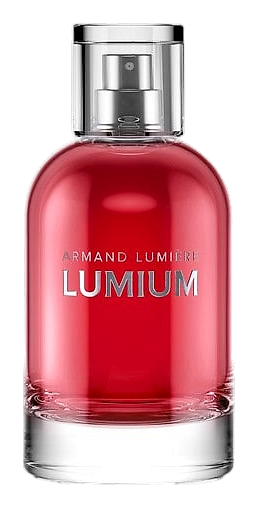
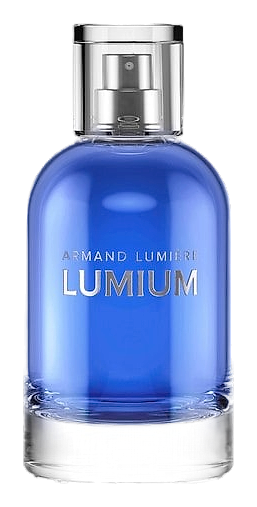
Luxor Fragrances emerged onto the English fragrance scene in 2017, a period when the market had grown saturated with heritage houses invoking decades or centuries of tradition. Rather than constructing an elaborate origin mythology, the founders established a straightforward proposition: an English fragrance house focused on composition quality over narrative embellishment. The timing placed Luxor within a particular moment in fragrance culture, when independent and niche houses were gaining traction among consumers seeking alternatives to established luxury brands. The decision to launch with a coordinated collection of seven fragrances, rather than a single signature scent, signaled an ambition to serve as a comprehensive resource rather than a boutique curiosity. This multi-fragrance debut strategy allowed the house to demonstrate range across olfactory categories from the outset, inviting comparisons and exploration. The English provenance carries particular weight in certain fragrance markets, where craftsmanship associations with British manufacturing traditions carry implicit quality signals. Without公开 documented founder narratives or extensive press coverage in the sources examined, the house's heritage remains deliberately understated, reflecting a philosophy that prioritizes the fragrances themselves over biographical mythology. The Lumium numbering system reveals a house that conceptualizes fragrance as systematic rather than purely emotional. Rather than naming compositions after emotions, ingredients, or evocative imagery, Luxor assigned numerical designations that suggest categorization and comparison. This approach positions the consumer as an informed evaluator, capable of selecting based on an understanding of olfactory families rather than marketing language. The house appears to operate on the principle that fragrance composition should speak directly through scent rather than through associated storytelling. This philosophy aligns with a broader movement in independent perfumery toward transparency and directness, though Luxor has pursued this through structural choices rather than ingredient disclosure. The absence of prominent perfumer attribution in available sources suggests the house may prioritize brand identity over individual creative signature, a positioning that distinguishes it from houses built around renowned noses. For consumers fatigued by elaborate brand narratives, this approach offers a refreshing directness, though it also demands that the compositions themselves carry the full weight of the brand's reputation.